June 25, 2026
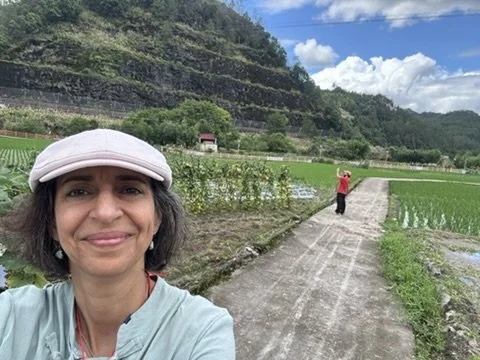
Hundreds of two-storey square homes stream past, nestled into the mountainsides and interspersed with agricultural plots of every shape and size, as I sit on the high-speed train from Hangzhou to Jingdezhen. There are literally beans and tomatoes growing between the parallel train tracks. Rain slants across the windowpane while I listen to Angela Hewitt play Bach on the harpsichord. I'm grateful that my Apple Music works flawlessly here in China.
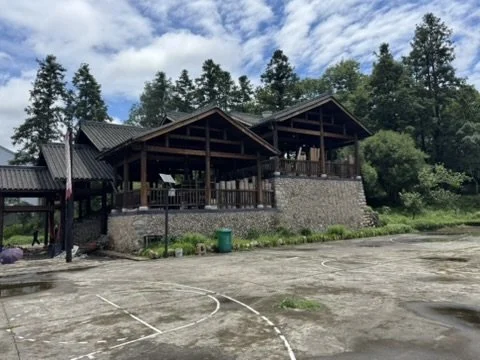
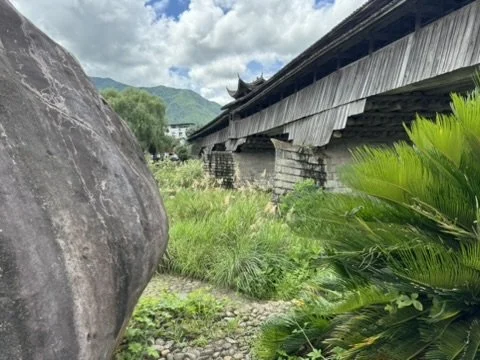
The last month at Wangou Taoxichuan Ceramic Centre in Longquan has been intense—an understatement. After several days of monsoon-like rain, the weather shifted abruptly to relentless humidity and heat, never dropping below 27°C at night and climbing into the 40s with the humidex during the day. The long walks that had become one of the charms of the city suddenly disappeared from my routine. Fortunately, the studios are air-conditioned, making it possible to work comfortably. I did manage to keep up my qigong and tai chi beneath the heritage gazebo along the riverbank, perched just high enough to catch a welcome breeze on my walk back from breakfast.
On May 25, I met with the exhibition coordinator, assistant director, and director of LQTXN (Longquan Taoxichuan) to discuss exhibition possibilities. In the end, there wasn't enough interest for a group exhibition. Many of us were struggling with unfamiliar clay bodies and experimental glazes, dealing with cracking, warping, and other ceramic failures. Our collective goal was to produce enough work for LQTXN to acquire three pieces from each resident, while also creating work for the IAC exhibition in Jingdezhen and, for some, the Clay for Peace exhibition.
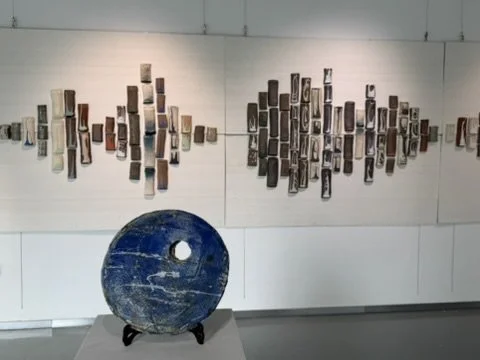
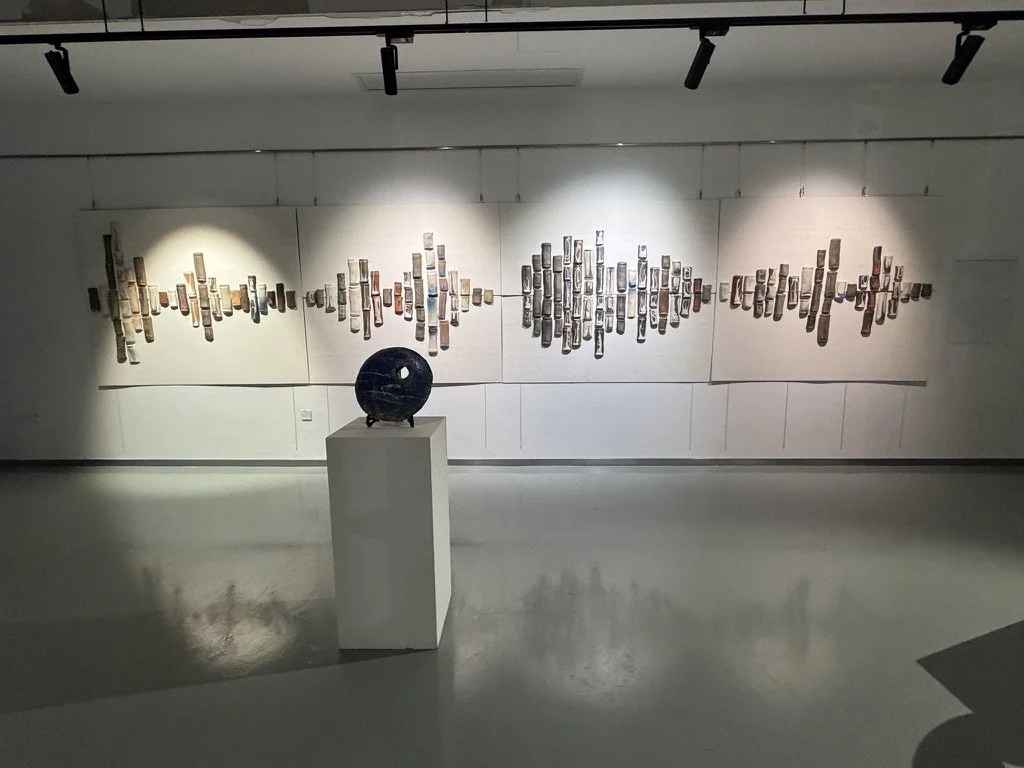
All those sugarcane nodules being installed in a ceramic audio waveform spanning the main wall of the gallery
Because I was making large-scale wall work, the only realistic venue for me was the main gallery, where my friend Alex's exhibition had occupied the space for the previous six months. Alex and I had completed our Clay for Peace project together before he returned home to Belarus.
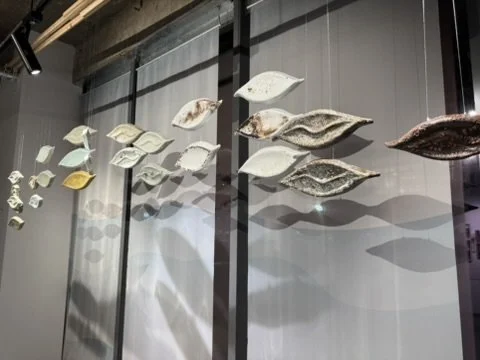
At the time, I was slip-casting sugarcane nodules for what would become a four-metre installation of visual audio waves from Ancestral Echoes. At the same time, I continued casting the wave forms I had begun for Jingdezhen, taking greater technical risks and pushing the work further, drawing on my experience producing the ceramic blueprints for The Forgotten Man.
Liu Rui encouraged me to create something for the gallery pedestals that would connect Longquan and its visitors to the exhibition. With time running short, I scrambled to find a practical solution. My initial plan was to collaborate with local throwers and produce Chinese tissue transfers in Jingdezhen using historical images of indentureship. The negotiations proved difficult, with much lost in translation, and the process became increasingly time-consuming.
Instead, I returned to what I know best: large abstracted ceramic coins.
As I reflected on the histories I was exploring, I realized that not only Indians, but also thousands of Chinese migrants had crossed the seas as indentured labourers to work in the sugar plantations of the Caribbean. JiaMing, the exhibition coordinator, and I decided to suspend the wave installation in front of the gallery windows and mount the sugarcane forms along the main wall. The gallery asked for six metres. Naturally, I made seven.
Somewhere in that process, the exhibition title emerged:
The Sound of Sugar: Currents of Empire.
The coins felt like a natural companion to the installation. They speak to the commodification of human labour, while nineteenth-century Chinese cash coins, with their distinctive square openings, immediately evoke another layer of cultural history. I had already been exploring abstracted coin forms pierced with small circular openings, inspired by the stories of Indian women who strung together their savings and wore them around their necks, unable to access colonial banking systems because of illiteracy. Their wealth remained literally on their bodies.
The wildcard, as always, was the clay.
Like many residents, I experienced my share of failures while learning the limits of this unfamiliar material. How far could I stretch it? Would it submit to my intentions? I made fourteen large coins. Ten survived. The tissue transfers finally arrived just before the final firing, allowing me to incorporate them onto several pieces and deepen the visual narrative of indentureship.
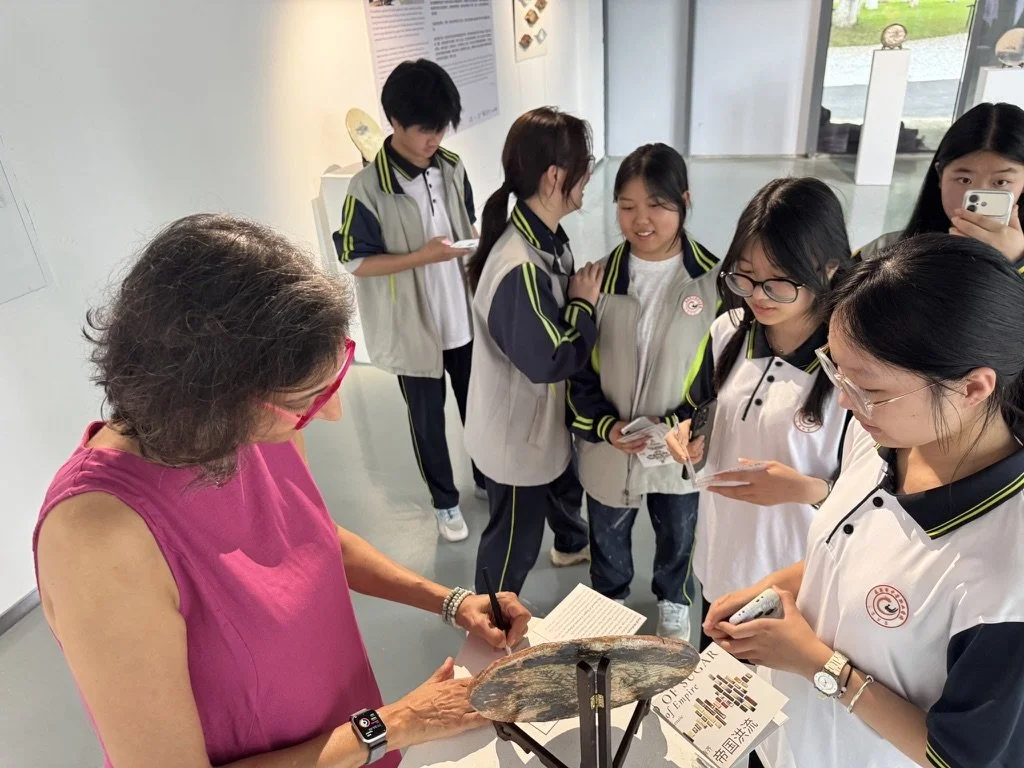
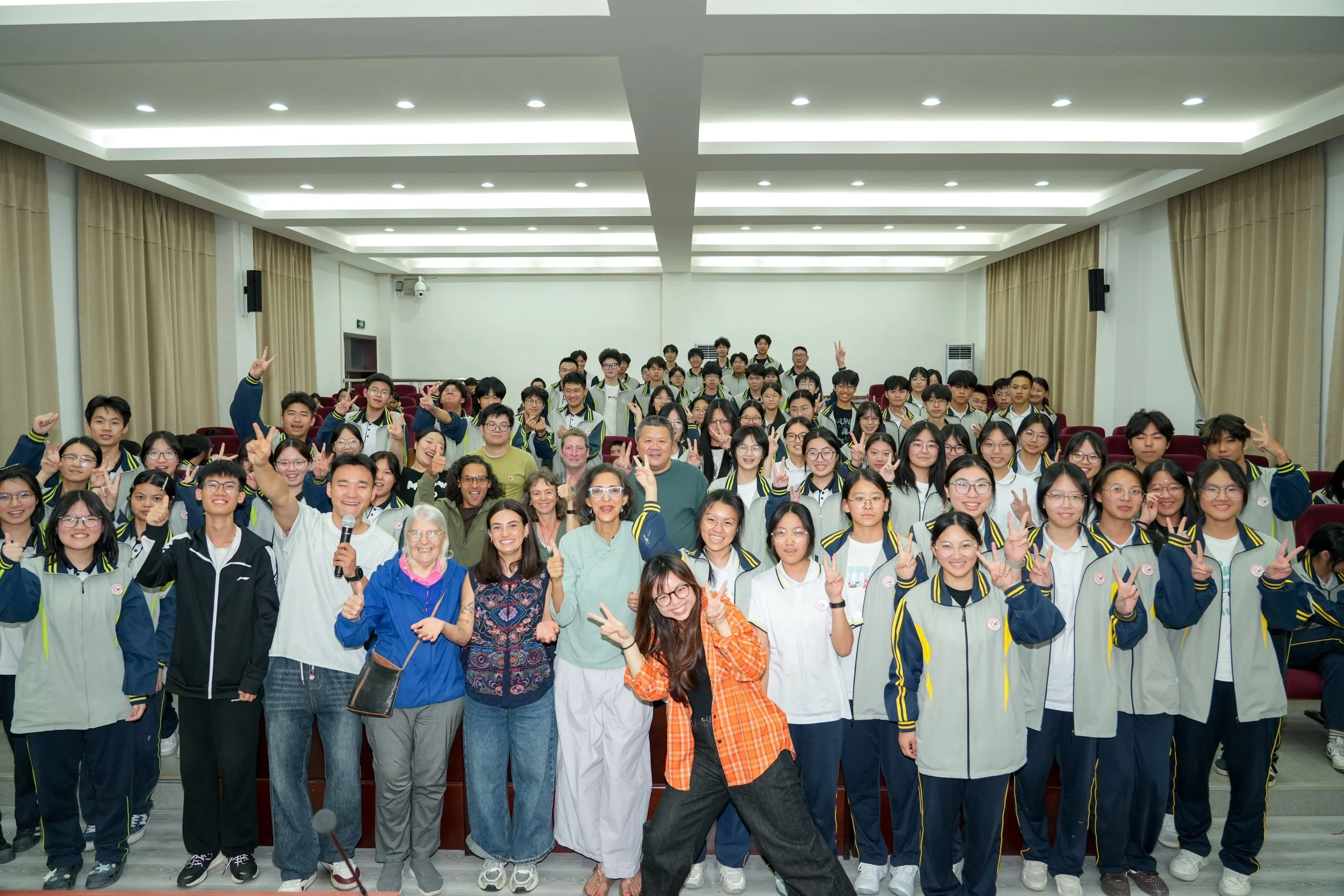
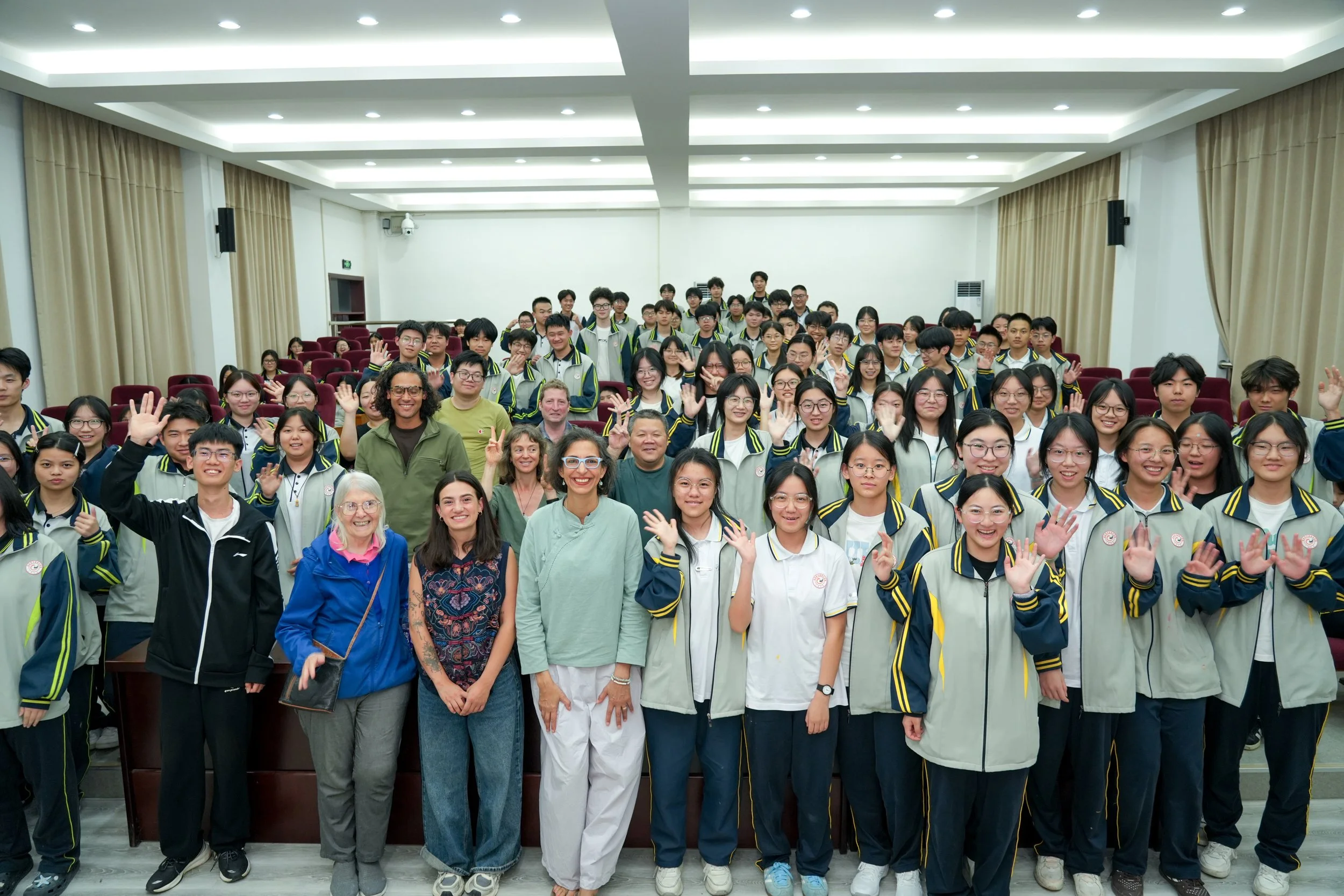
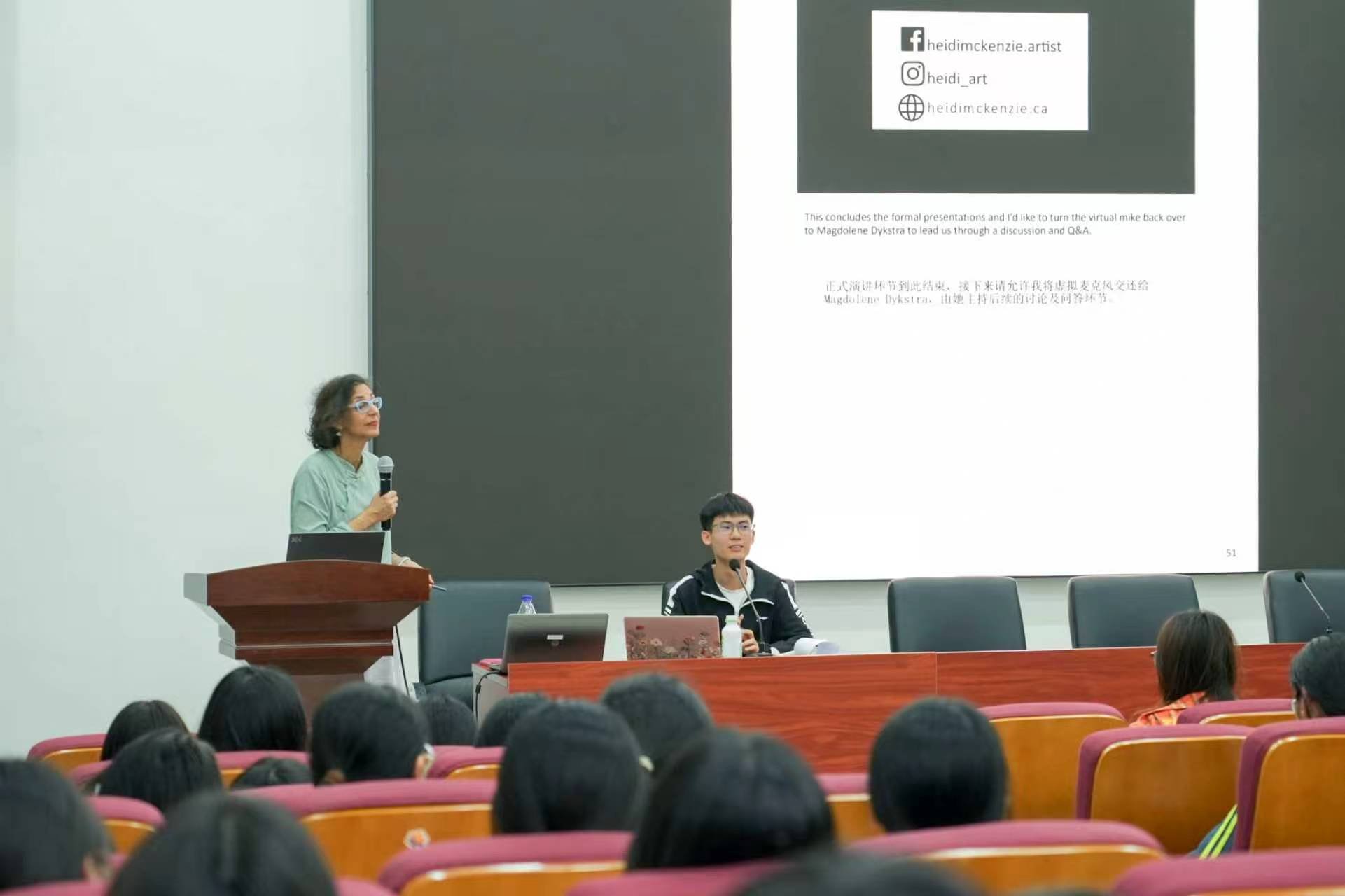
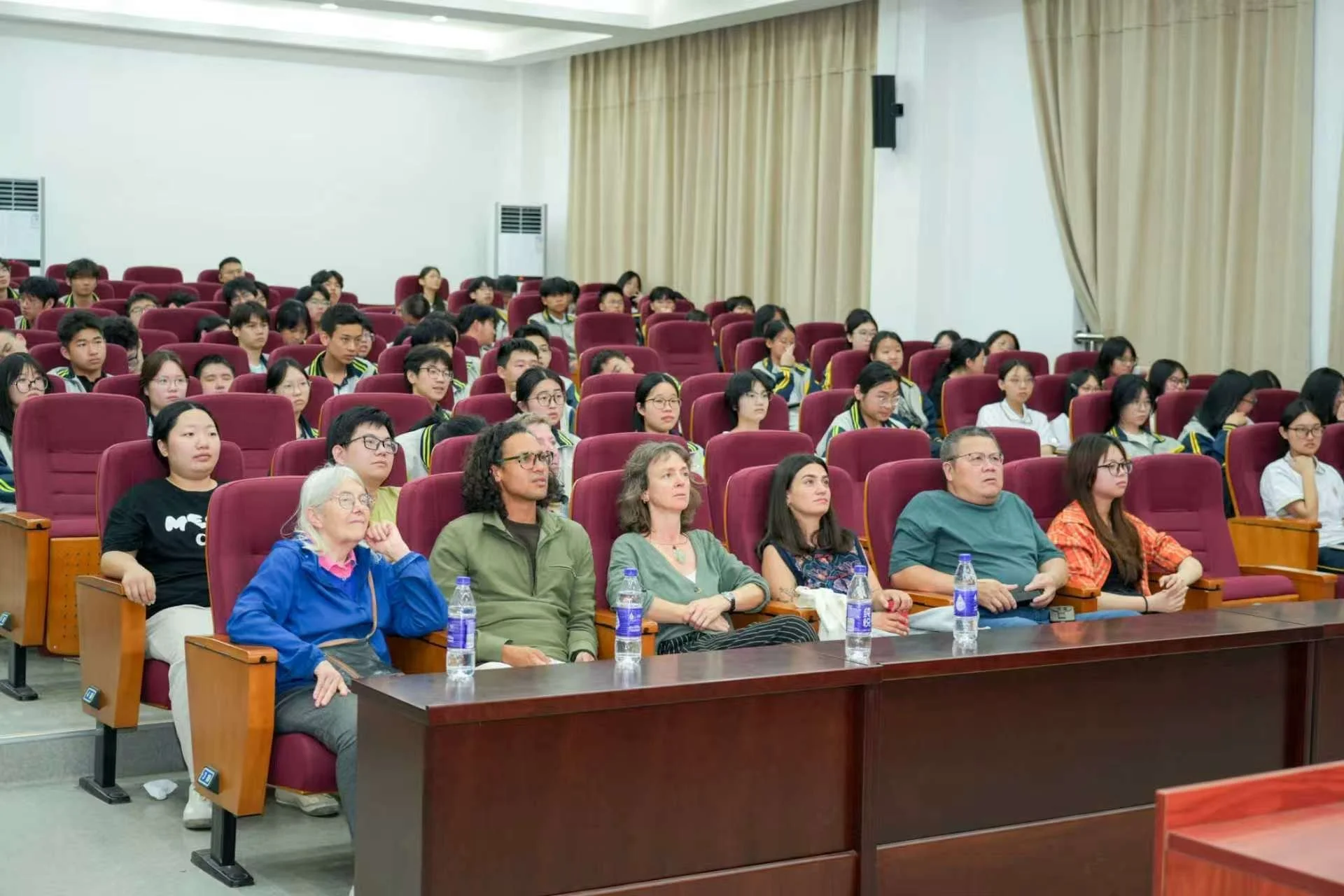
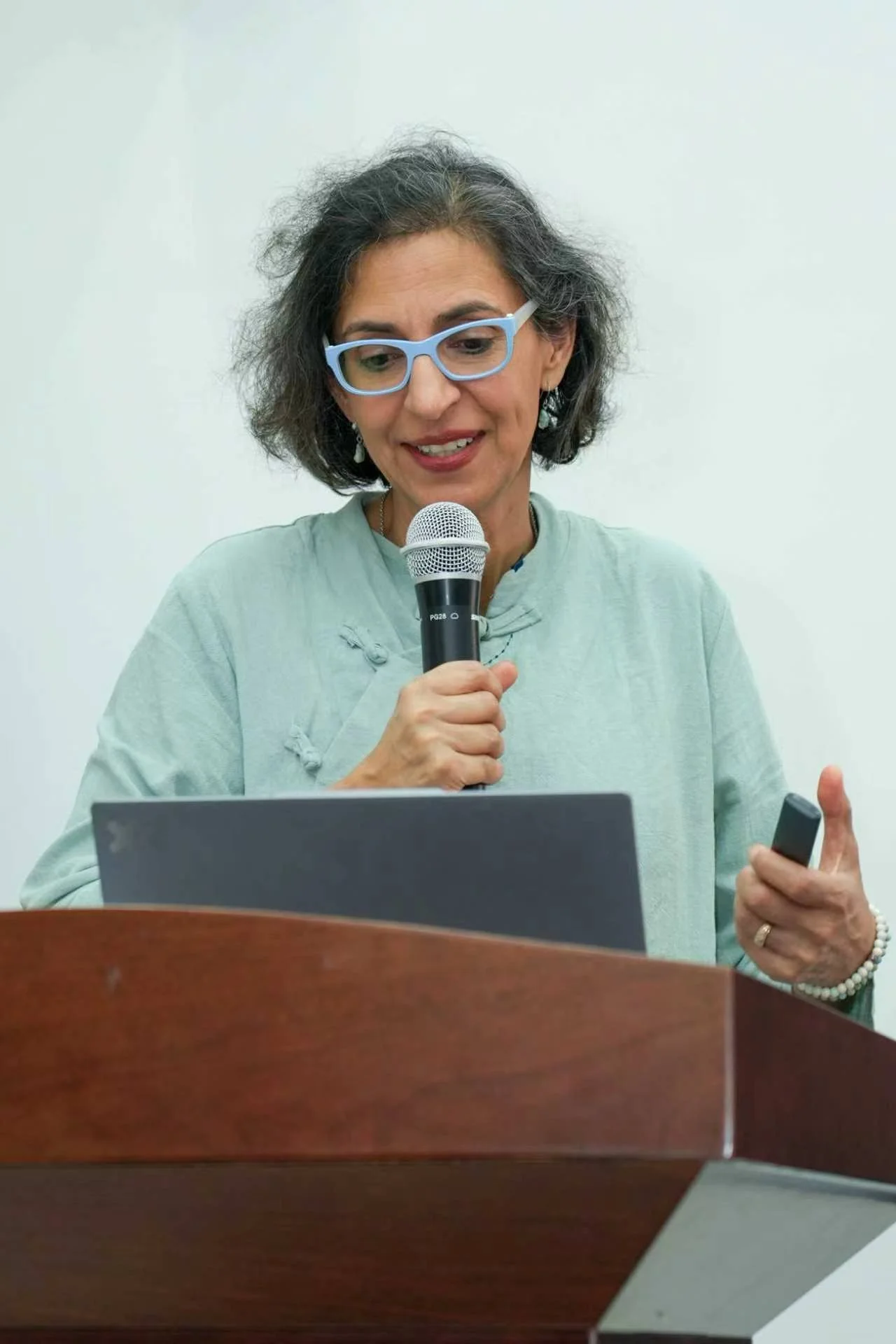
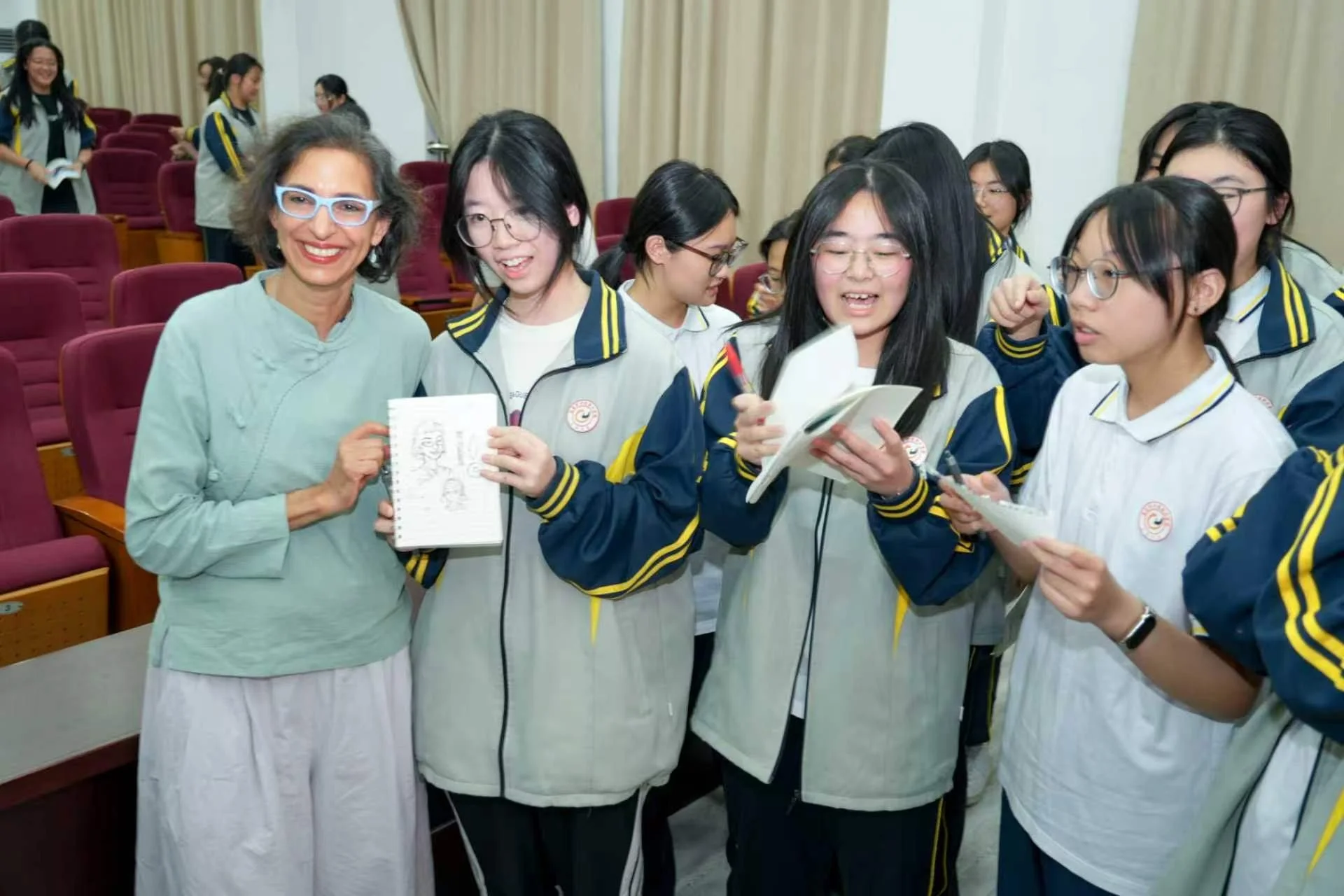
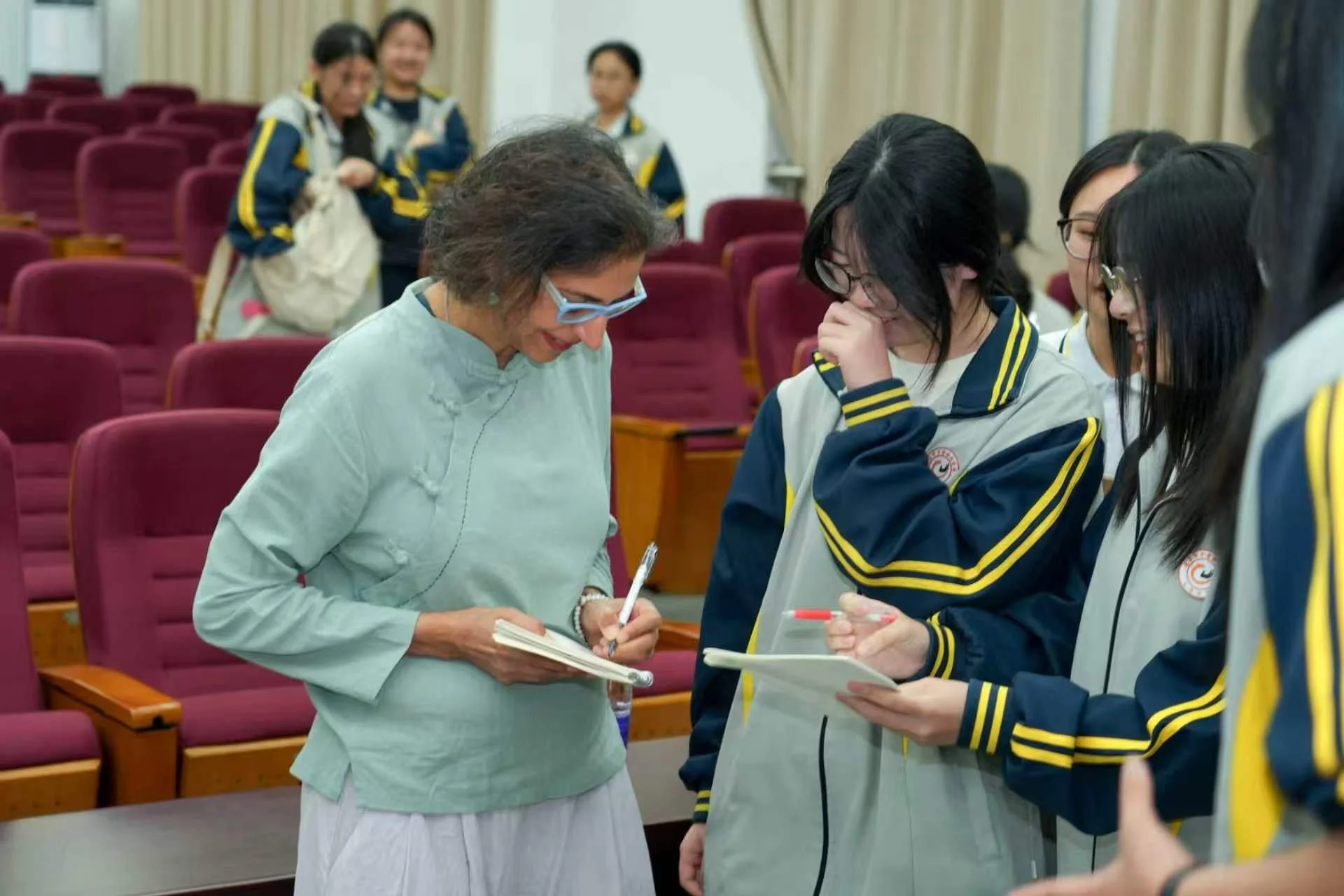
One of the highlights of my time in Longquan was giving a lecture, Telling Stories with Ceramics, to about one hundred 16- and 17-year-old ceramic students. Only half a dozen fell asleep. None were on their phones.
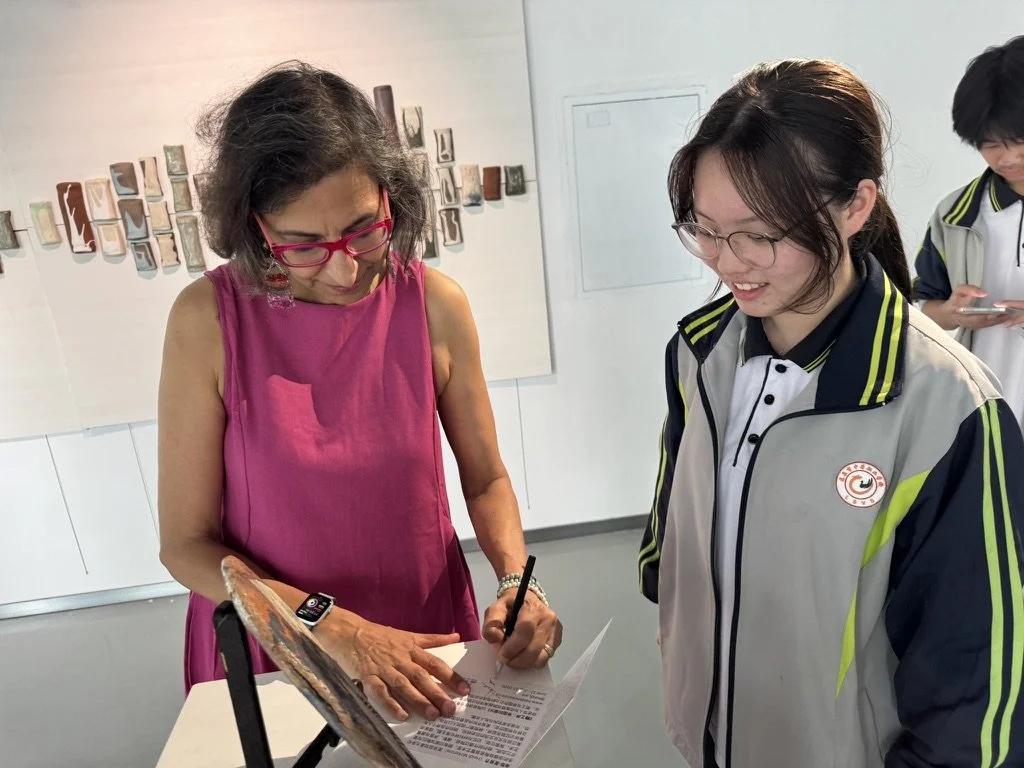
Afterwards, I was mobbed like a rock star for selfies and autographs. About a dozen students later attended my exhibition opening at LQTXN, where they stayed for nearly two hours asking thoughtful, intelligent—even existential—questions. By the end of the evening, I had exchanged another half-dozen WeChat contacts.
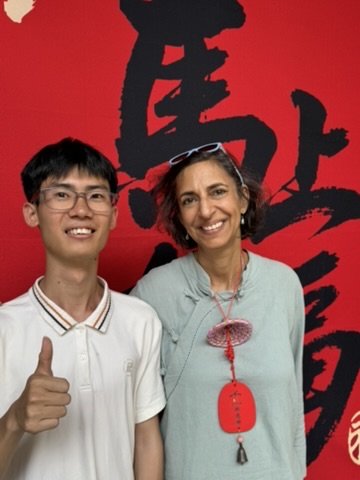
One student stood out. Jiahao had occasionally helped us wedge clay in the studio, and I later discovered he worked evenings across the street from the residency. Just before I left Longquan, I ran into him again. He and two friends were about to leave for Jingdezhen to apprentice for the summer. Since we'll overlap there for a few days, I'll send them information about the exhibitions they should see.
That’s Jiahao and me
It's immensely satisfying to make connections with the next generation of makers. Many of these students had never imagined that clay could be used to make conceptual work or tell complex social histories. Their education has focused almost entirely on traditional ceramics. Watching those possibilities suddenly open up for them was one of the most rewarding moments of the residency.
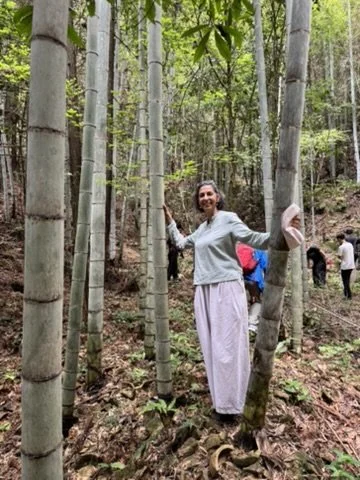
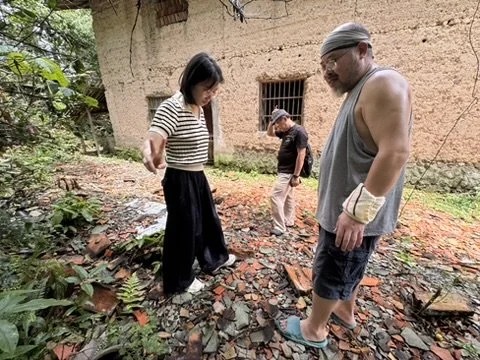
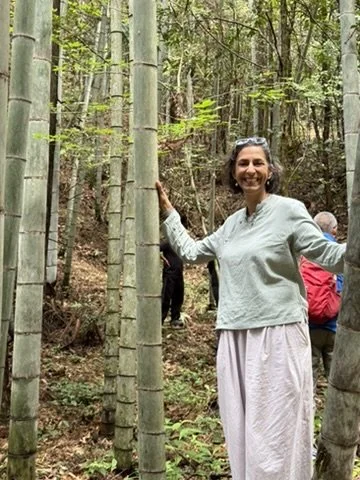
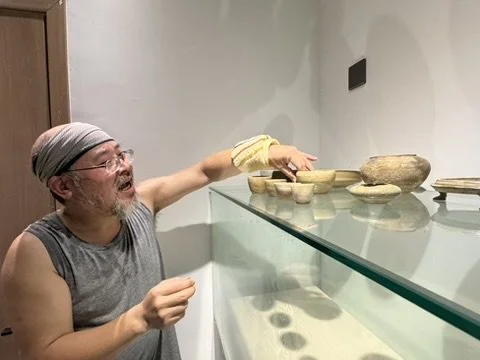
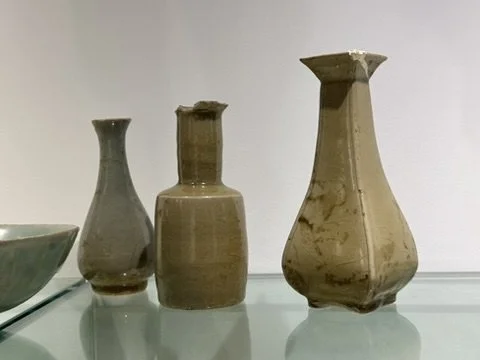
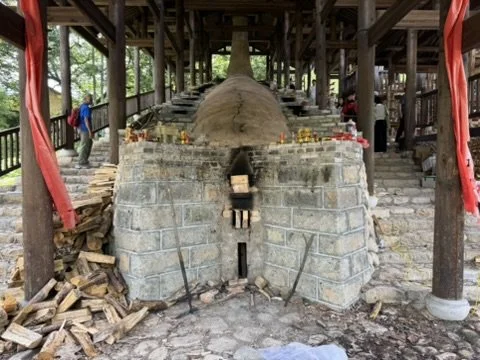
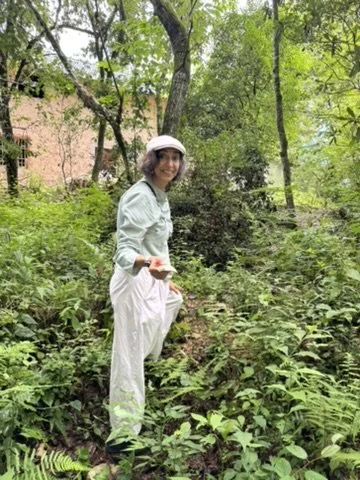
And with that came countless shared dinners, conversations in studios, moments of learning, generosity, and friendship. This is the first year in over 20 years that it hasn't been pouring rain for the annual dragon boat festival and races. A few of us went to the river with thousands of other onlookers and watched the boats parade, then race in heats back from bridge to bridge. Thrilling. Not FIFA, but probably a lot more fun. Longquan is a remarkable place. We travelled into the countryside to witness a dragon kiln firing, visited a kiln master's extraordinary collection of ancient celadons, and hiked through the forest to the remains of Song- and Ming-dynasty kilns.
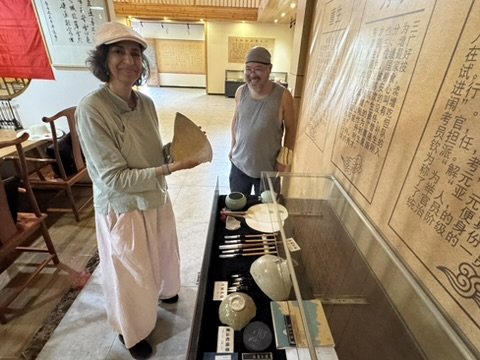
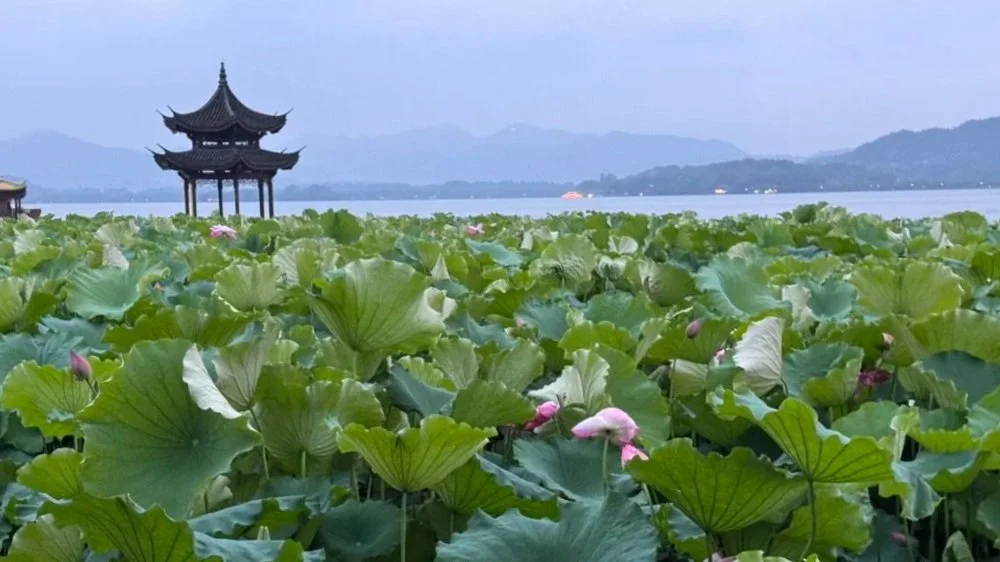
Hangzhou was a jarring return to city life, but beautiful in entirely different ways. The China National Silk Museum, the exceptional museums devoted to celadon and silk, and, of course, the legendary West Lake. The lotus alone were worth the journey.
Now I move into the final chapter of this adventure: the IAC conference, followed by my post-conference travels.
Stay tuned...
2026年6月25日
数百栋两层方形的住宅从山坡间流淌而过,夹杂着各种形态大小的农田,我坐在从杭州到景德镇的高速列车上。平行的铁轨之间真的长满了豆子和番茄。雨水斜斜地洒过窗玻璃,我听着安吉拉·休伊特用羽管键琴演奏巴赫。我很感激我的Apple Music在中国运行得非常顺畅。
龙泉旺谷桃川陶瓷中心过去一个月异常紧张——这都不足以形容。经过几天类似季风的降雨后,天气骤然转变为持续的湿热和高温,夜间气温从未低于27°C,白天湿度最高可升至40多度。那些曾经成为城市魅力之一的长途散步突然从我的日常中消失了。幸运的是,演播室配备了空调,使得工作环境更舒适。不过我还是设法在河岸边的古老凉亭下保持气功和太极,那里刚好高到能在早餐回程时迎面吹来一阵宜人的微风。
5月25日,我与LQTXN(龙泉桃川)的展览协调员、助理导演和馆长会面,讨论展览的可能性。最终,没有足够的兴趣举办群展。我们许多人都在与陌生的陶土体和实验性釉料作斗争,还要应对开裂、变形以及其他陶瓷故障。我们的共同目标是为LQTXN制作足够的作品,以便从每位驻地手中获得三件作品,同时也为景德镇的IAC展览以及部分人参与的"和平陶土"展览创作作品。
因为我做的是大型墙面作品,对我来说唯一现实的场地是主画廊,我的朋友亚历克斯的展览已经在那里占据了六个月。在他回到白俄罗斯之前,我和亚历克斯已经一起完成了"为和平而粘土"项目。
当时,我正在用滑套铸造甘蔗结核,准备一件四米高的《祖先回声》视觉音频波装置。与此同时,我继续铸造为景德镇开始的波形,冒更大技术风险,推动作品更进一步,结合我制作《被遗忘的人》陶瓷蓝图的经验。
刘锐鼓励我为画廊基座创作一些东西,将龙泉及其访客与展览连接起来。时间紧迫,我急忙寻找实用的解决方案。我最初的计划是与当地拉布工人合作,利用历史契约劳工的图像在景德镇制作中国组织移植。谈判过程艰难,许多翻译内容丢失,过程也日益耗时。
相反,我回归了我最熟悉的东西:大型抽象陶瓷硬币。
当我反思自己探索的历史时,我意识到不仅印度人,还有成千上万的华人移民作为契约劳工跨海到加勒比的甘蔗种植园工作。展览协调员JiaMing和我决定将波浪装置悬挂在画廊窗前,并将甘蔗造型挂在主墙上。画廊要求六米。自然,我做了七张。
在这个过程中,展览标题诞生了:
《糖之声:帝国的潮流》。
这些硬币就像是装置的自然伴侣。它们反映了人类劳动的商品化,而十九世纪中国的现金硬币以其独特的方形开口,立刻唤起了另一层文化历史。我早已在探索带有小圆形开口的抽象硬币形态,灵感来源于印度妇女的故事,她们将积蓄串联起来,佩戴在脖子上,因文盲无法进入殖民地银行系统。他们的财富实际上就留在了身体上。
一如既往,变数是红土。
像许多住院医师一样,我在学习这门陌生材料的局限时也经历过不少失败。我能把它拉多远?它会顺从我的意图吗?我做了十四个大硬币。十人幸存。组织转印终于在最终烧制前到达,使我能够将它们融入多件作品中,深化契约劳工的视觉叙事。
我在龙泉的一大亮点是向大约一百名16至17岁的陶艺学生讲授《用陶艺讲故事》。只有六个人睡着了。他们手机上没有人。
之后,我像摇滚明星一样被围着自拍和签名。大约十几名学生后来参加了我在LQTXN的展览开幕式,他们在那里停留了近两个小时,提出深思熟虑、聪明甚至存在主义的问题。到晚上结束时,我又交换了六个微信联系人。
有一位学生格外突出。家豪偶尔会帮我们在工作室里楔泥,后来我发现他晚上就在驻地对面工作。就在我离开龙泉之前,我又遇到了他。他和两个朋友正准备去景德镇学徒度过夏天。既然我们会在那里重叠几天,我会给他们发一些展览信息。
与下一代创作者建立联系令人非常满足。许多学生从未想过泥土可以用来创作概念性作品或讲述复杂的社会历史。他们的教育几乎完全集中在传统陶瓷上。看到这些可能性突然为他们打开,是驻地期间最有成就感的时刻之一。
随之而来的是无数次共进晚餐、工作室的对话、学习时刻、慷慨和友谊。这是20多年来首次没有下大雨,举办年度龙舟节和比赛。我们几个人和成千上万的观众一起去了河边,观看船只游行,然后在桥桥之间进行分组比赛。令人兴奋。不是FIFA,但可能更有趣。龙泉是一个非凡的地方。我们走进乡间,观看了龙窑烧制,参观了一位窑师珍贵的古青瓷收藏,还徒步穿越森林,前往宋明时期的窑址遗址。
杭州是城市生活的一次震撼回归,但却以完全不同的方式美丽。中国国家丝绸博物馆,那些专注于青瓷和丝绸的杰出博物馆,当然还有传奇的西湖。仅仅是莲花就值得这趟旅程。
现在我进入这段冒险的最后一章:IAC会议,随后是我的会后旅行。
敬请关注......