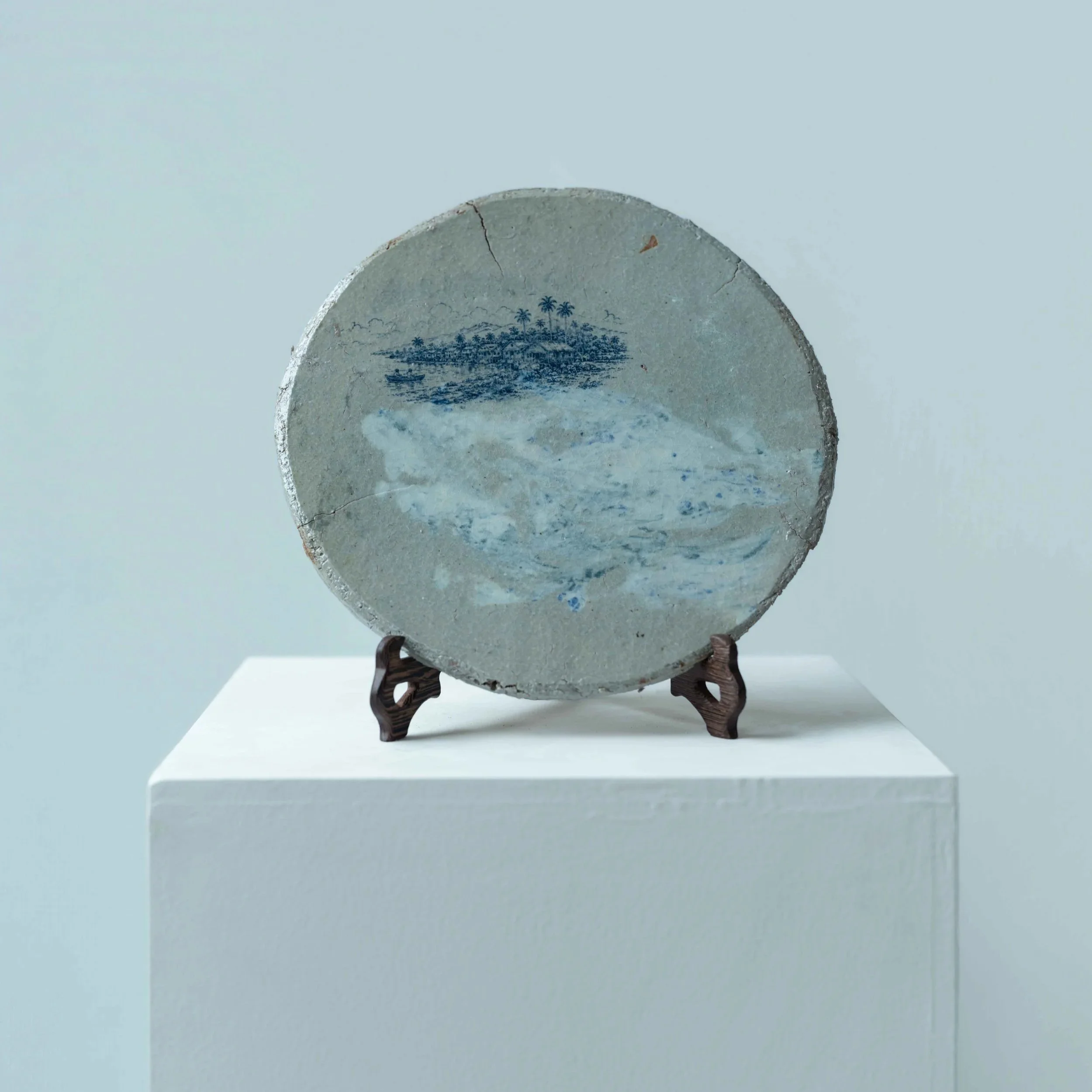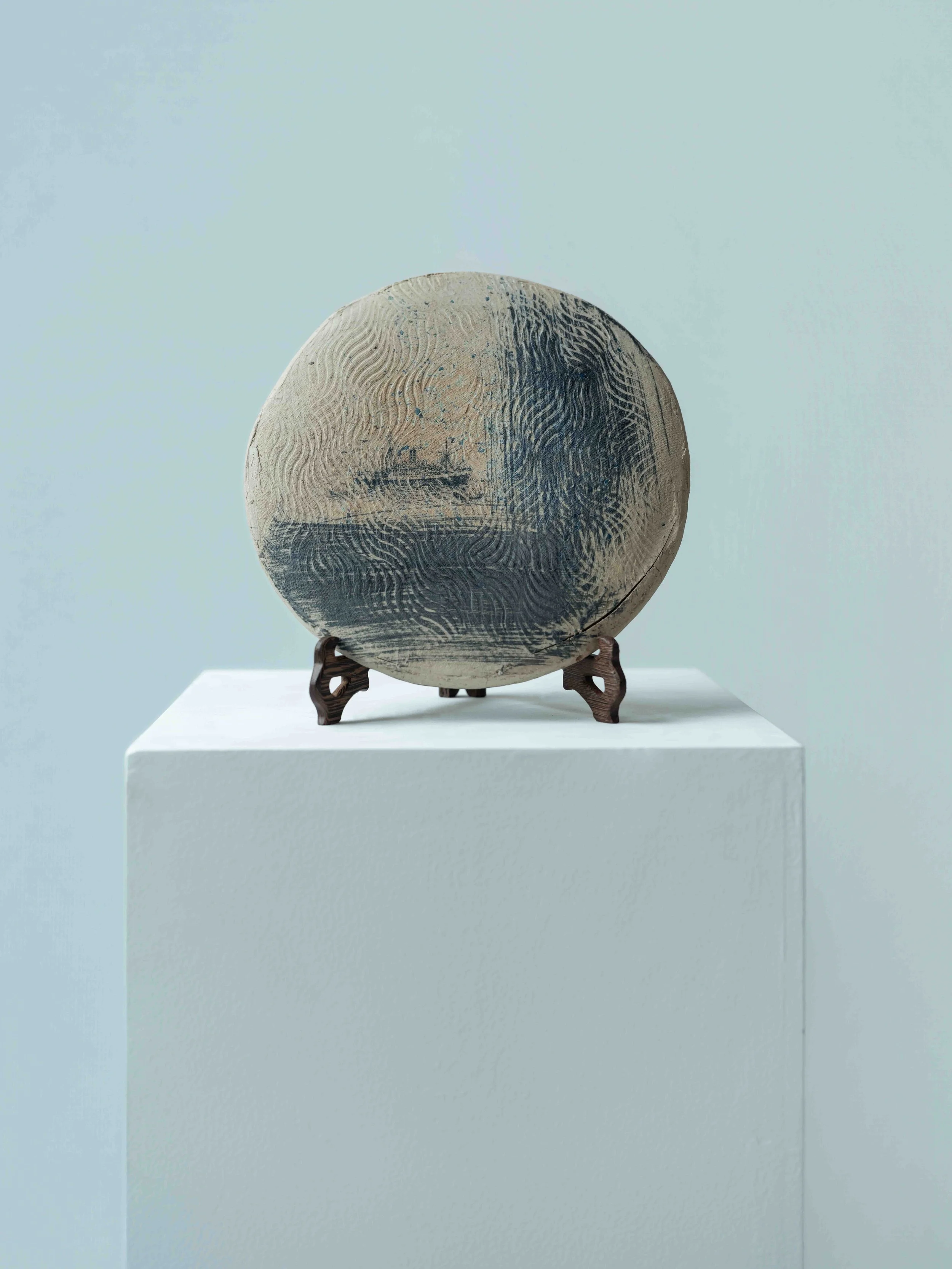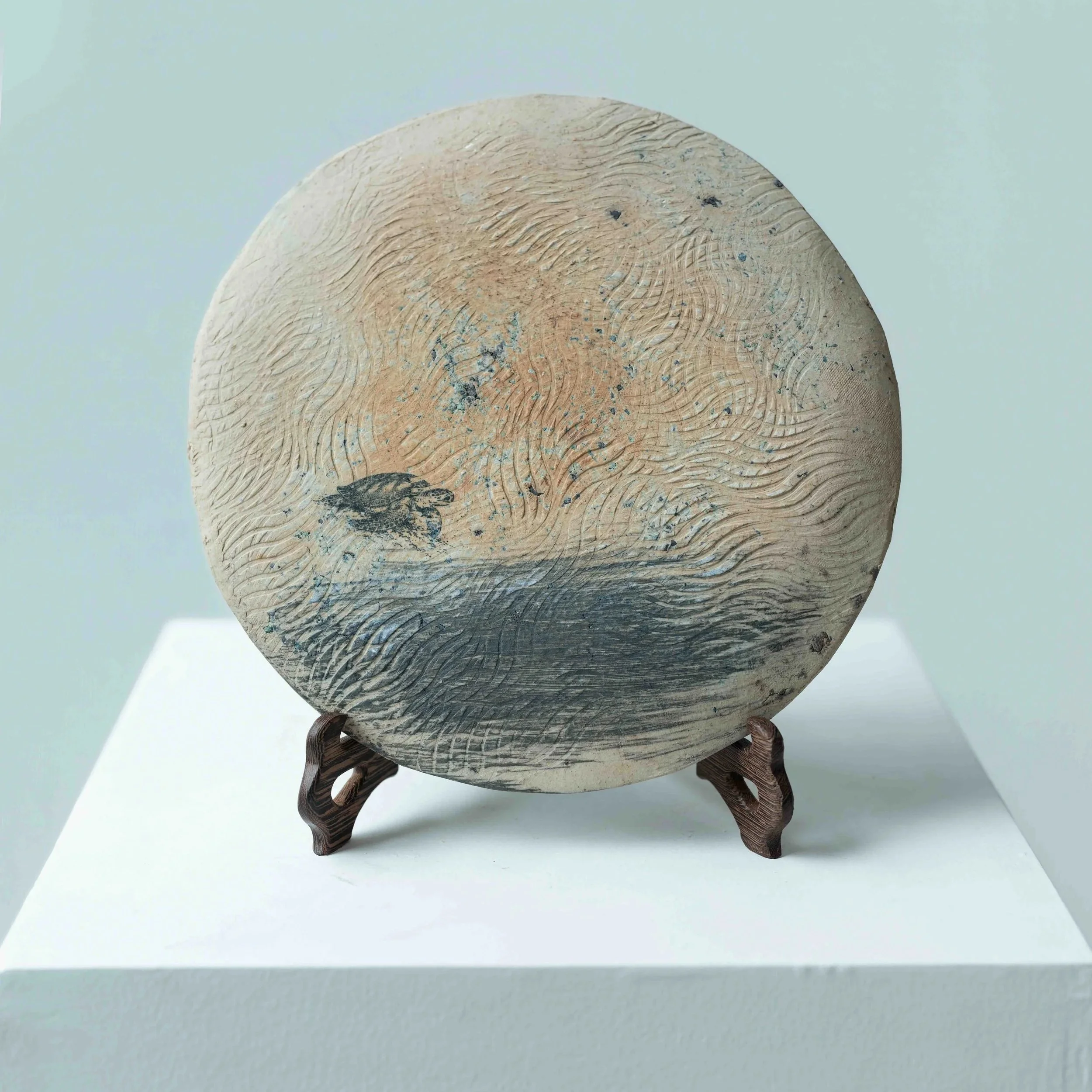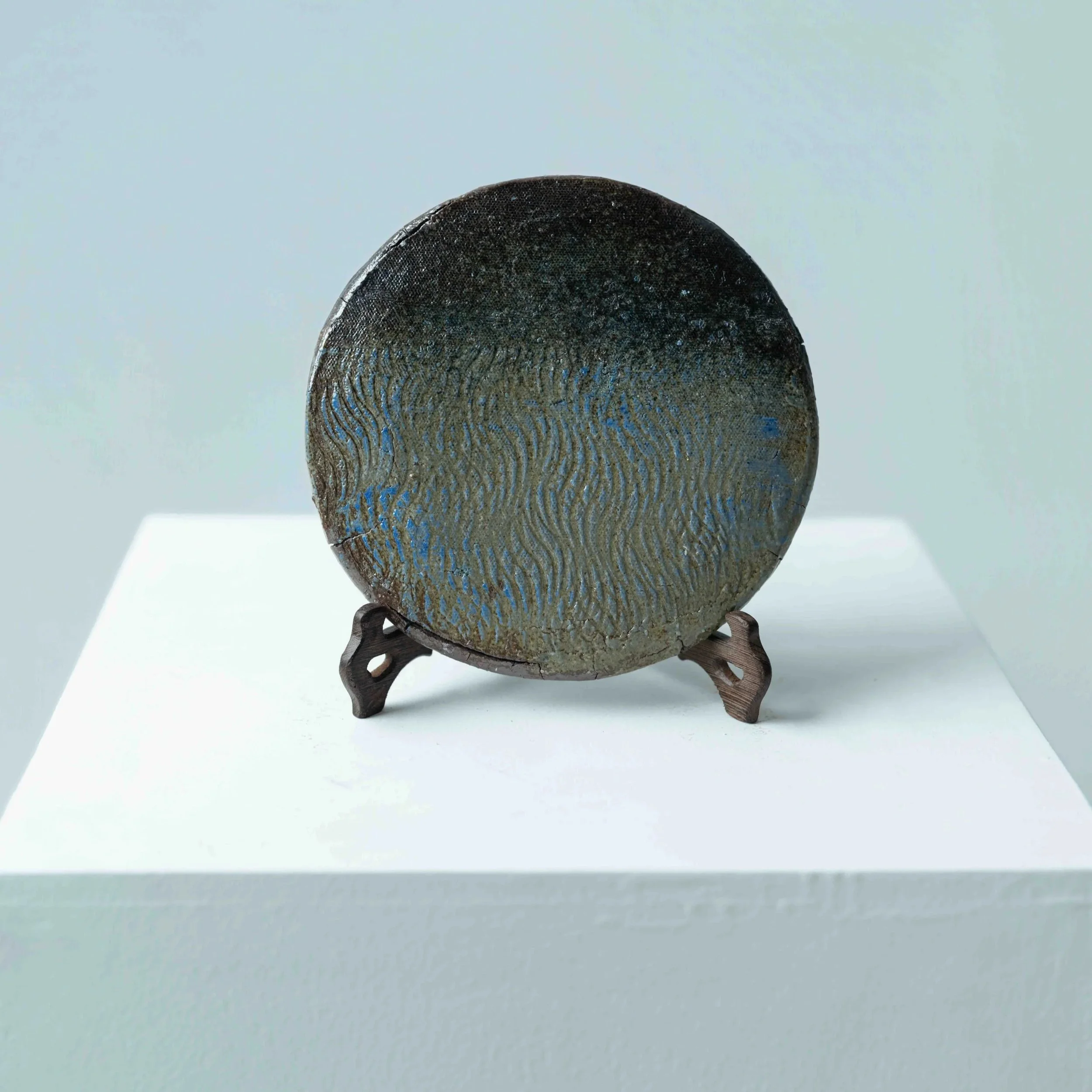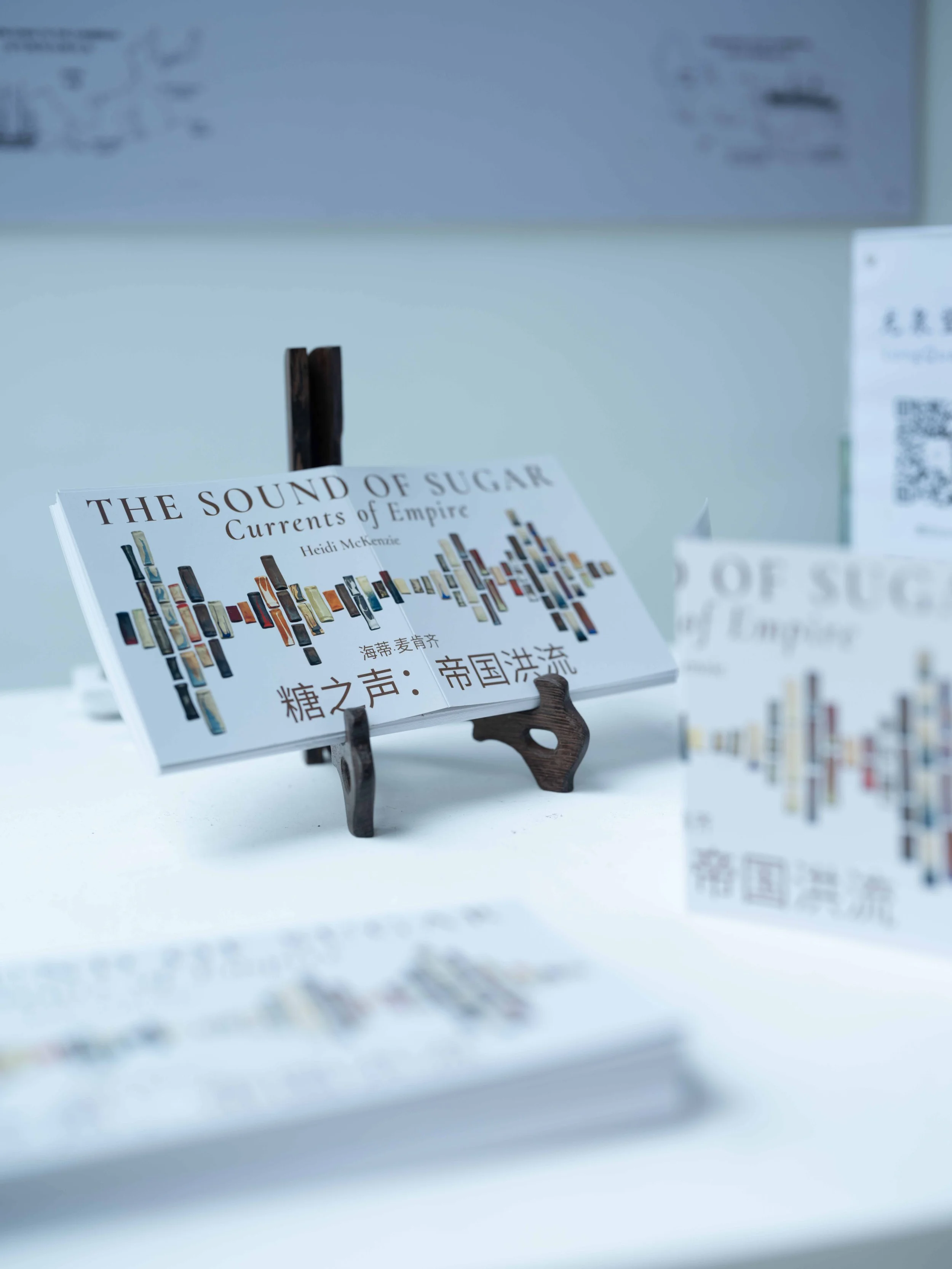
The Sound of Sugar: Currents of Empire explores the global systems of trade, migration, and labour that emerged following the abolition of slavery across the British Empire. During the nineteenth and early twentieth centuries, hundreds of thousands of Indian labourers and thousands of Chinese labourers crossed oceans to work on sugar plantations throughout the Caribbean, replacing formerly enslaved African workers within a new colonial labour economy.
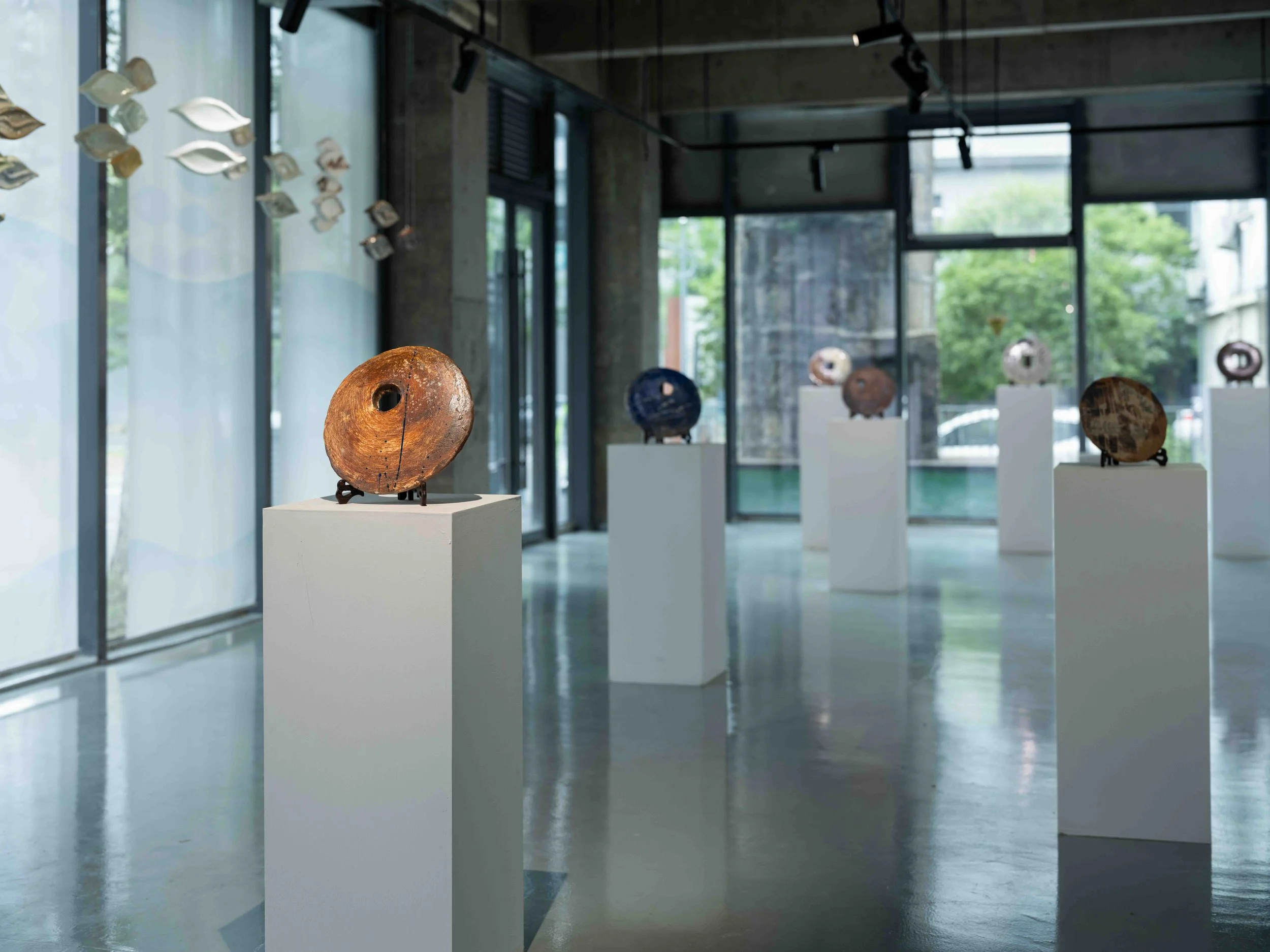
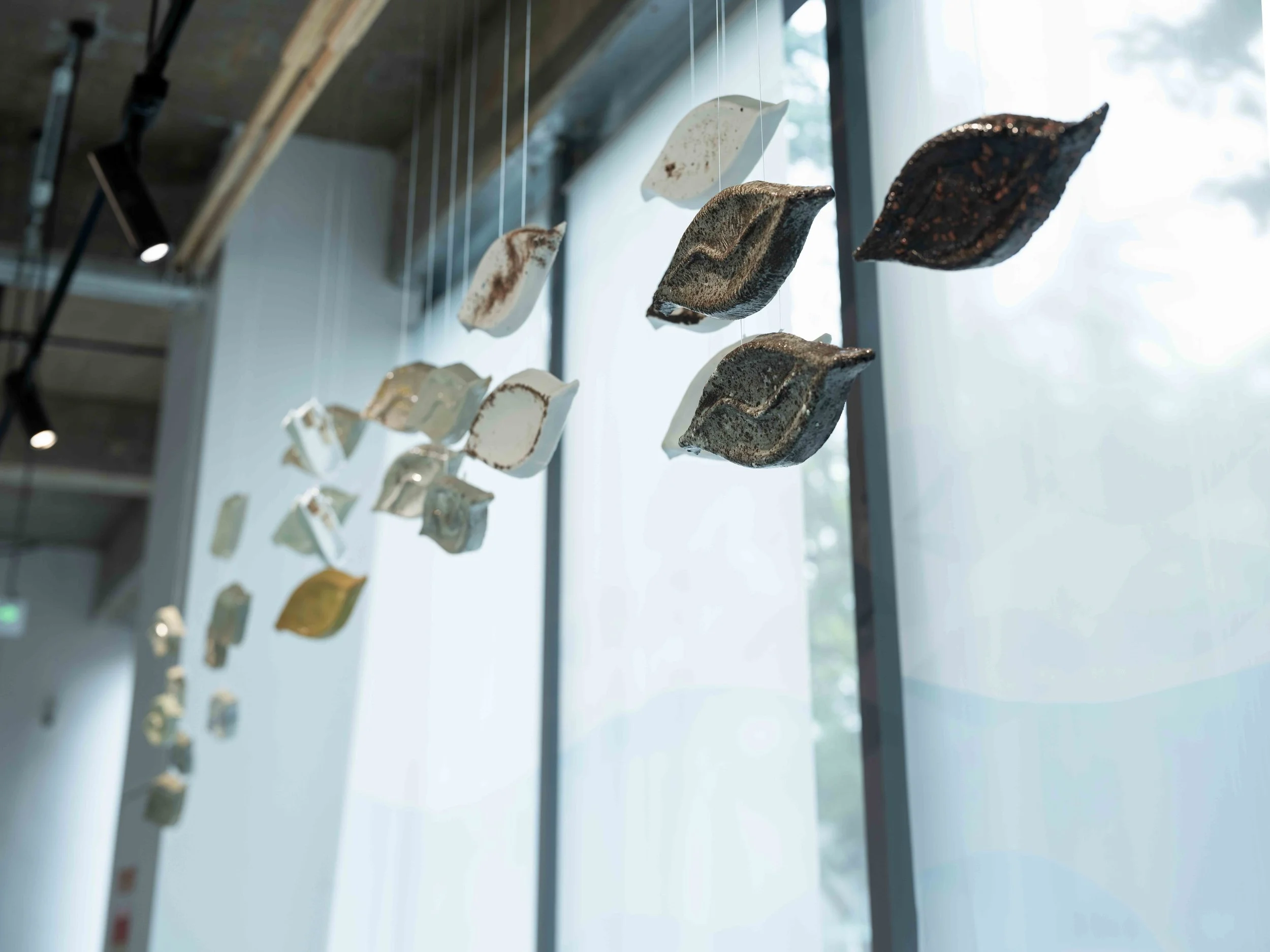
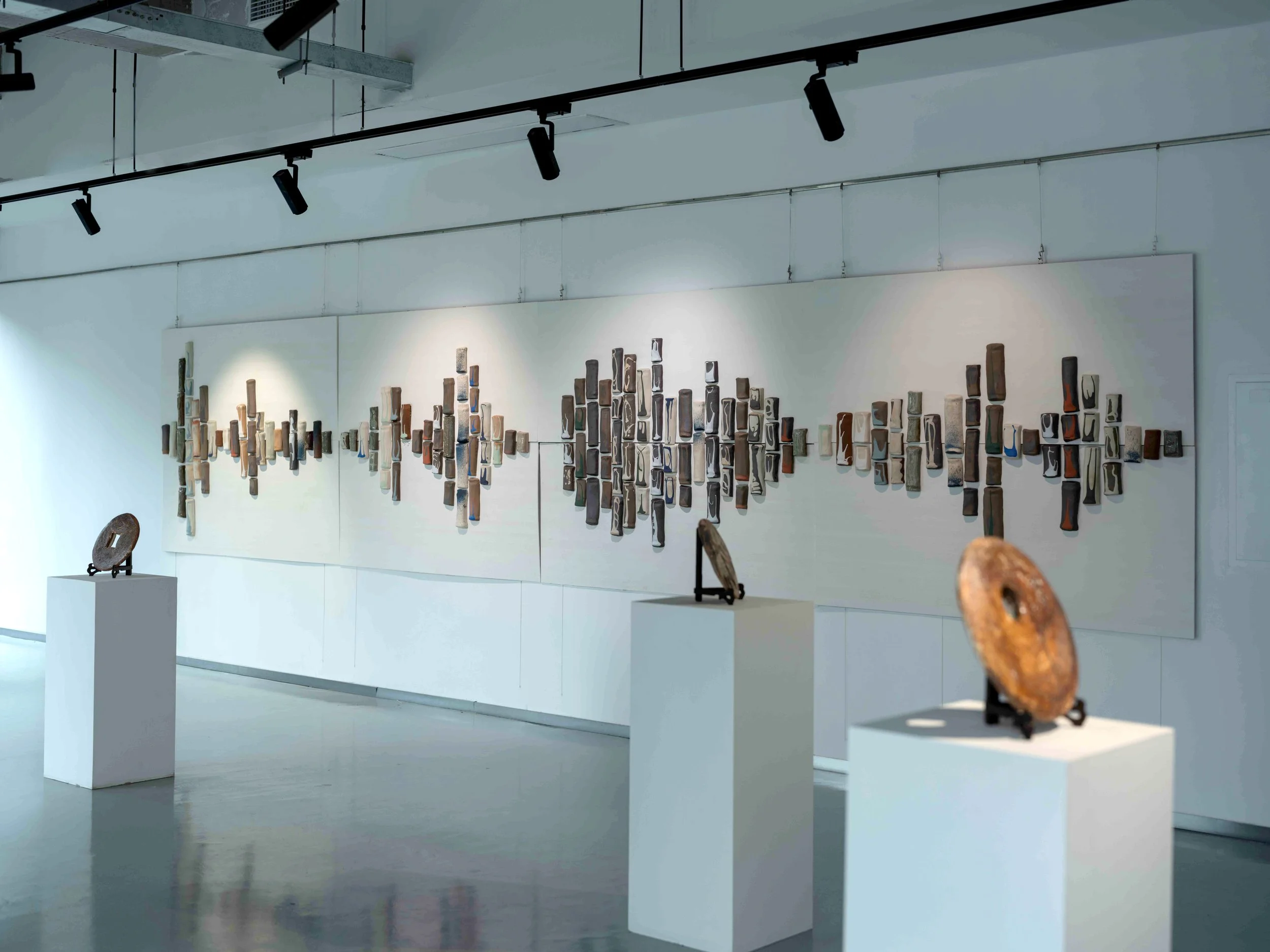
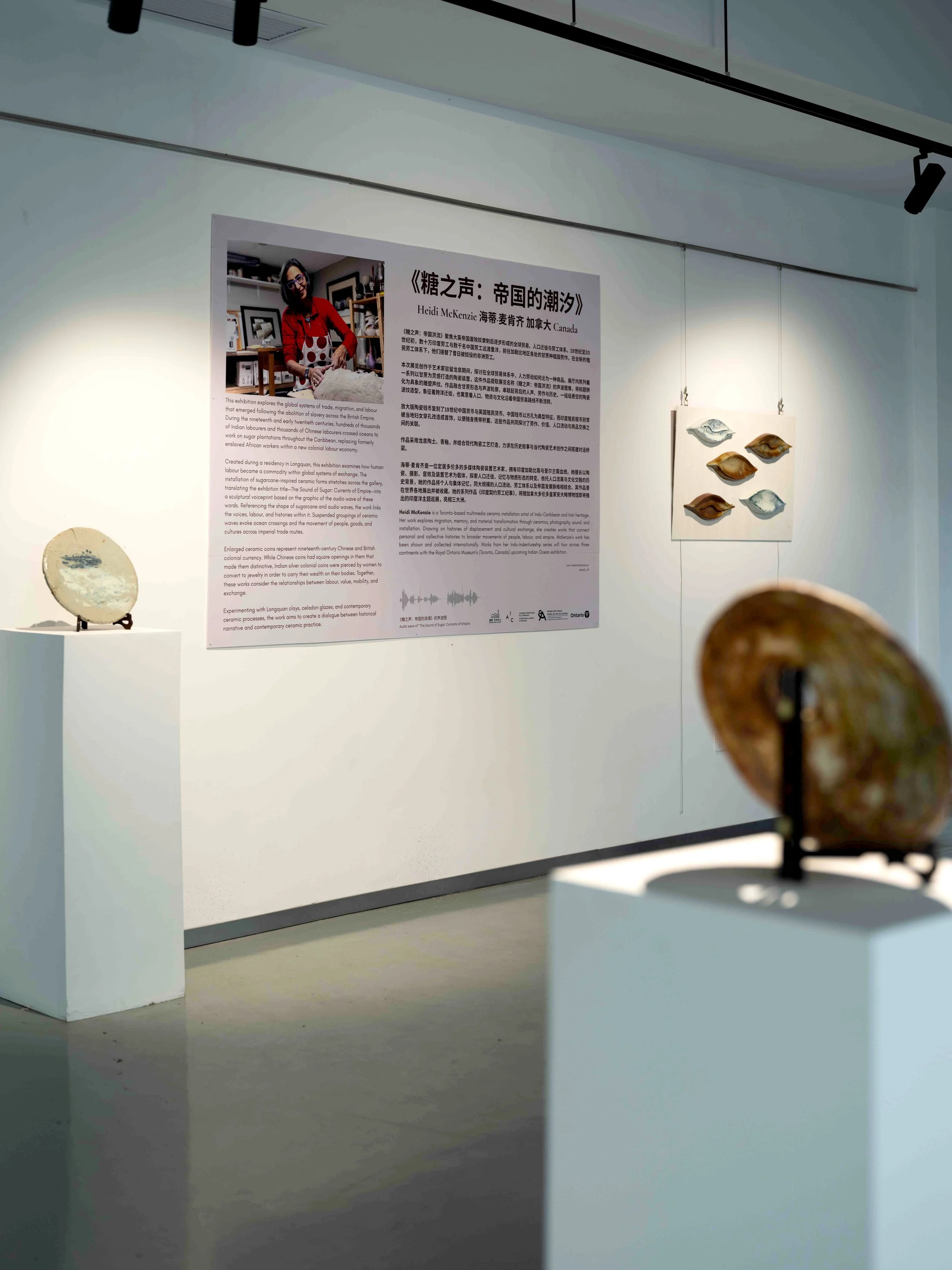
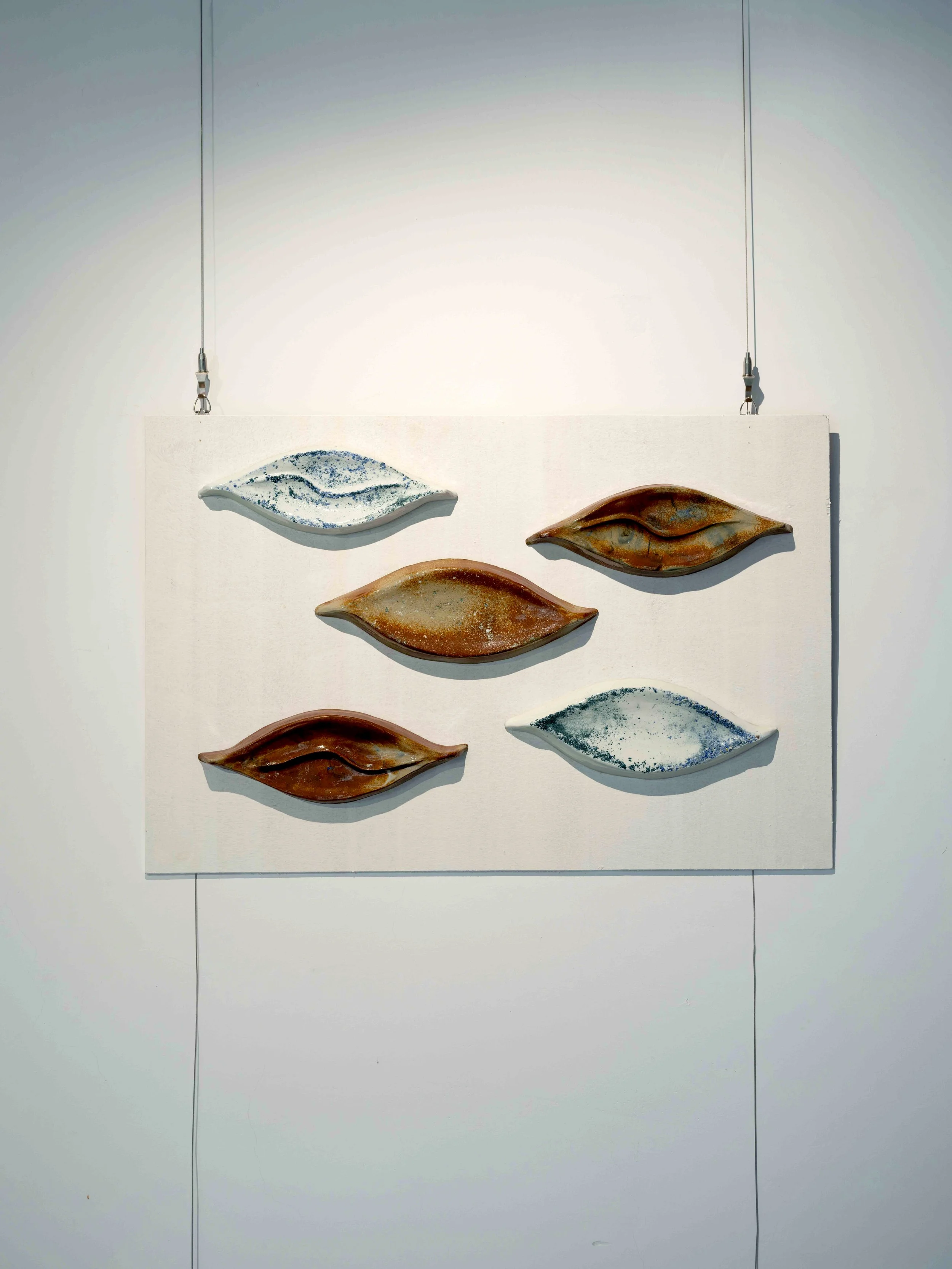
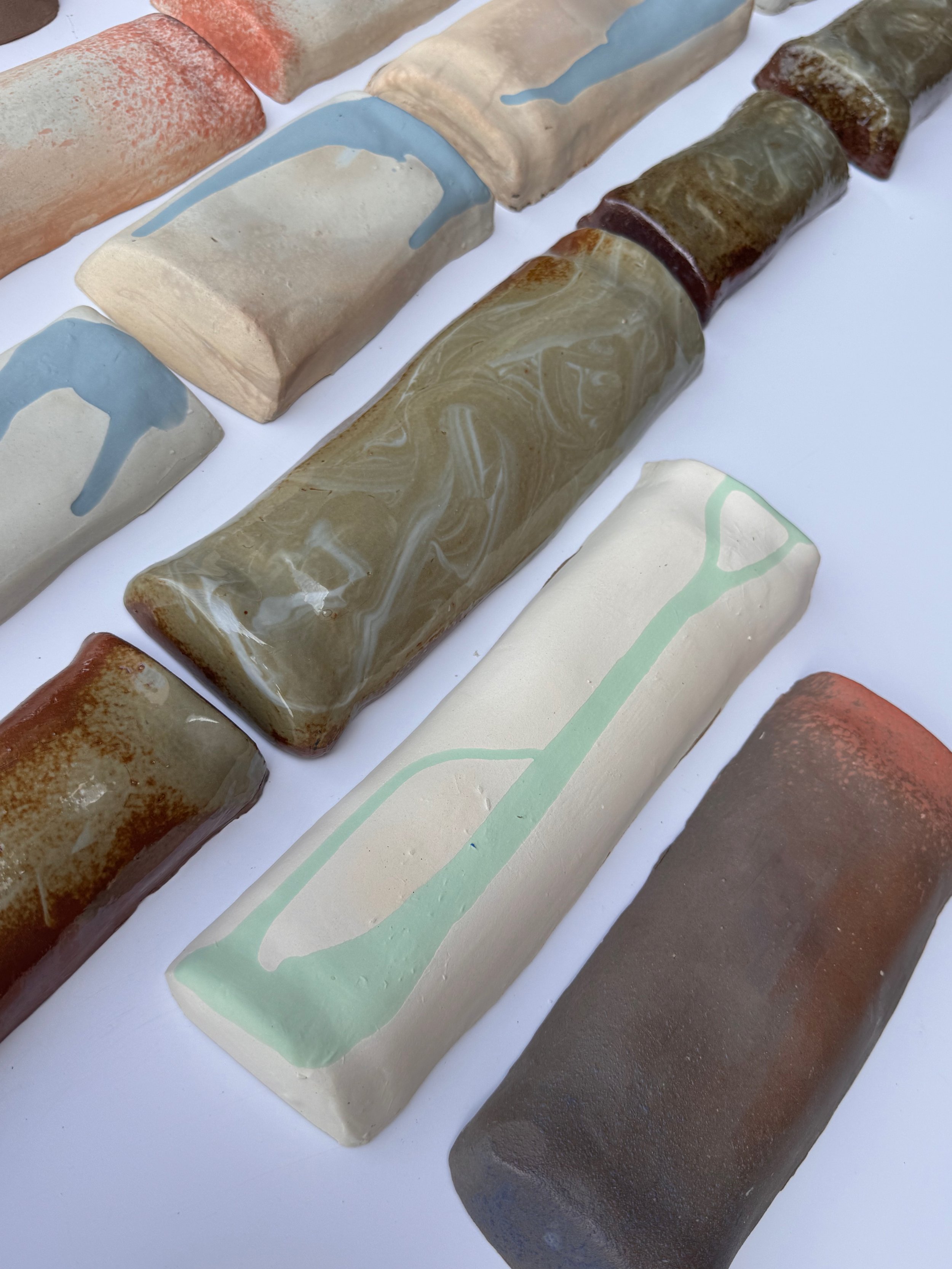
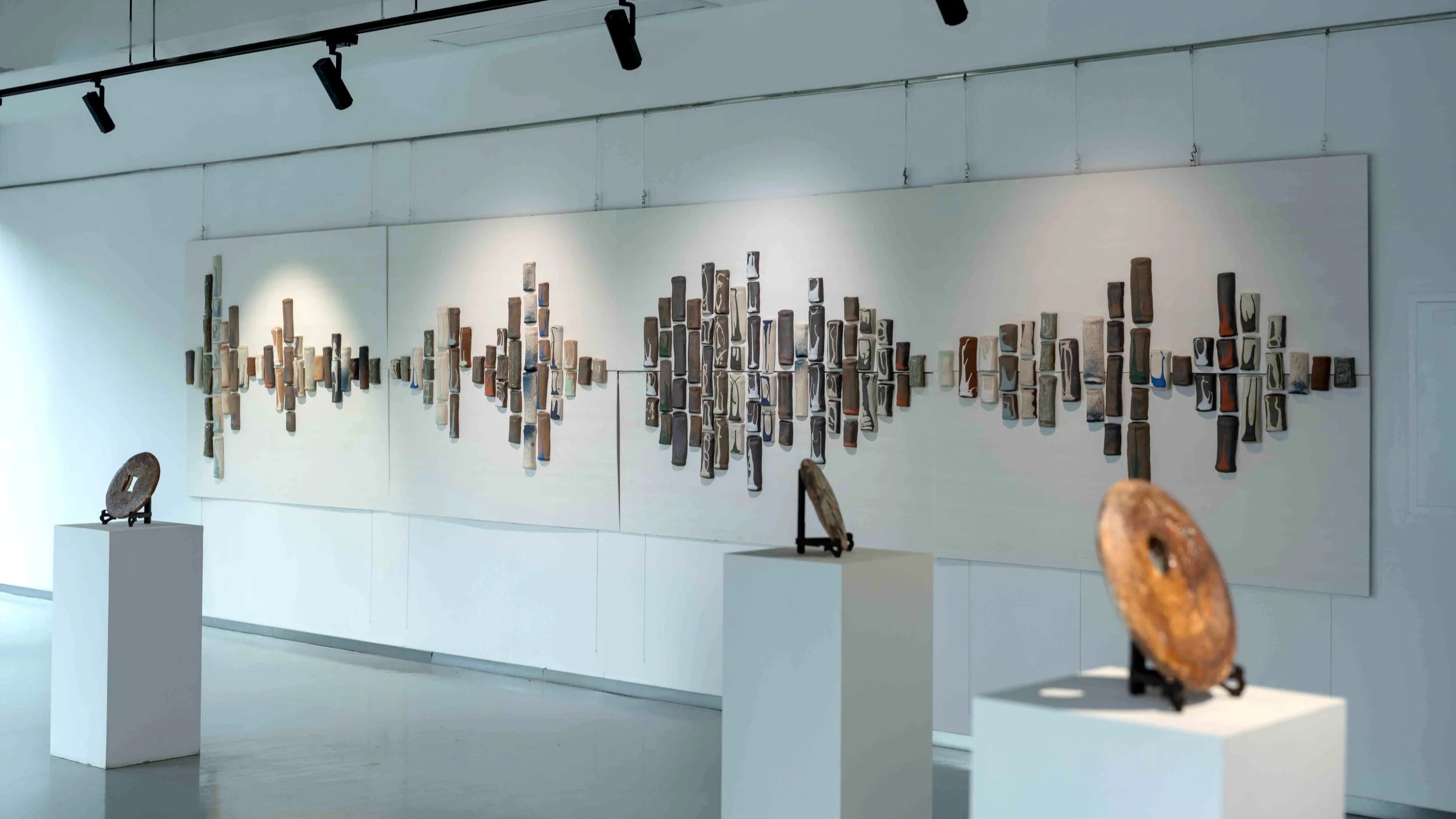
Created during a residency in Longquan, this exhibition examines how human labour became a commodity within global systems of exchange. The installation of sugarcane-inspired ceramic forms stretches across the gallery, translating the exhibition title—The Sound of Sugar: Currents of Empire—into a sculptural voiceprint based on the graphic of the audio wave of these words.
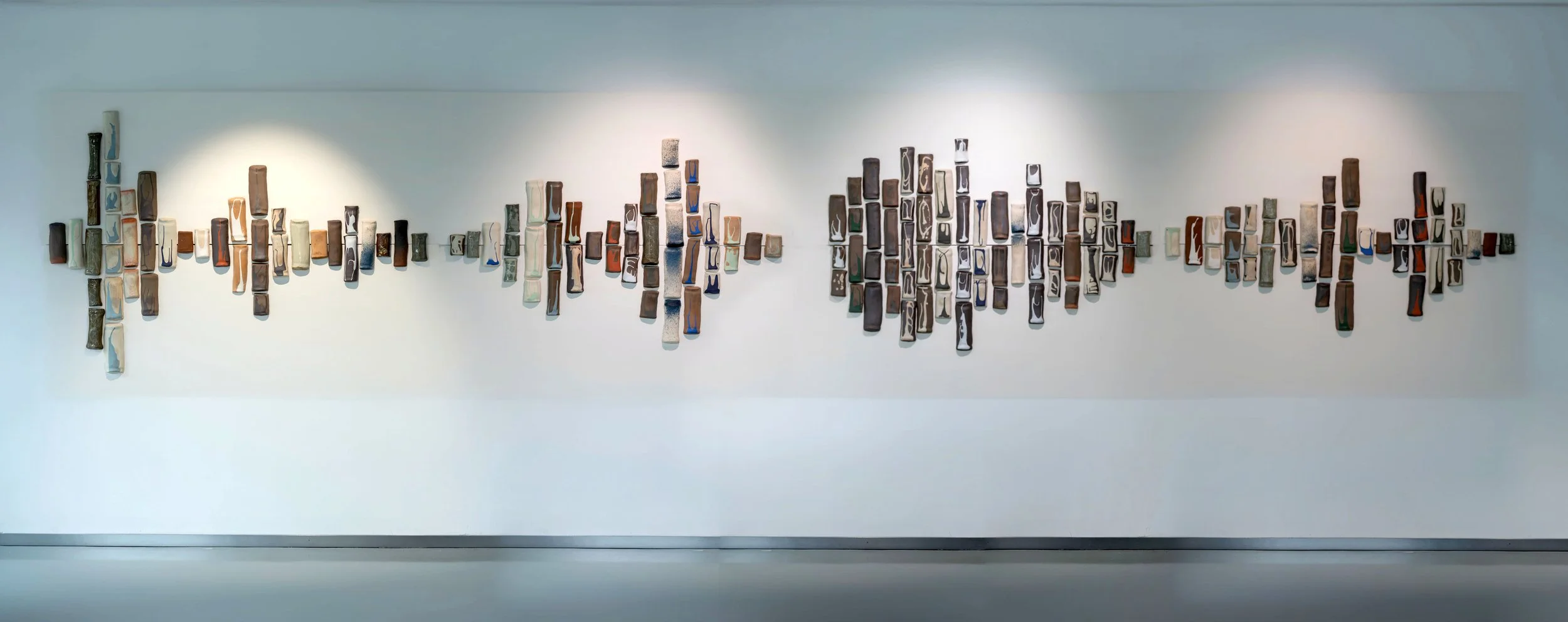
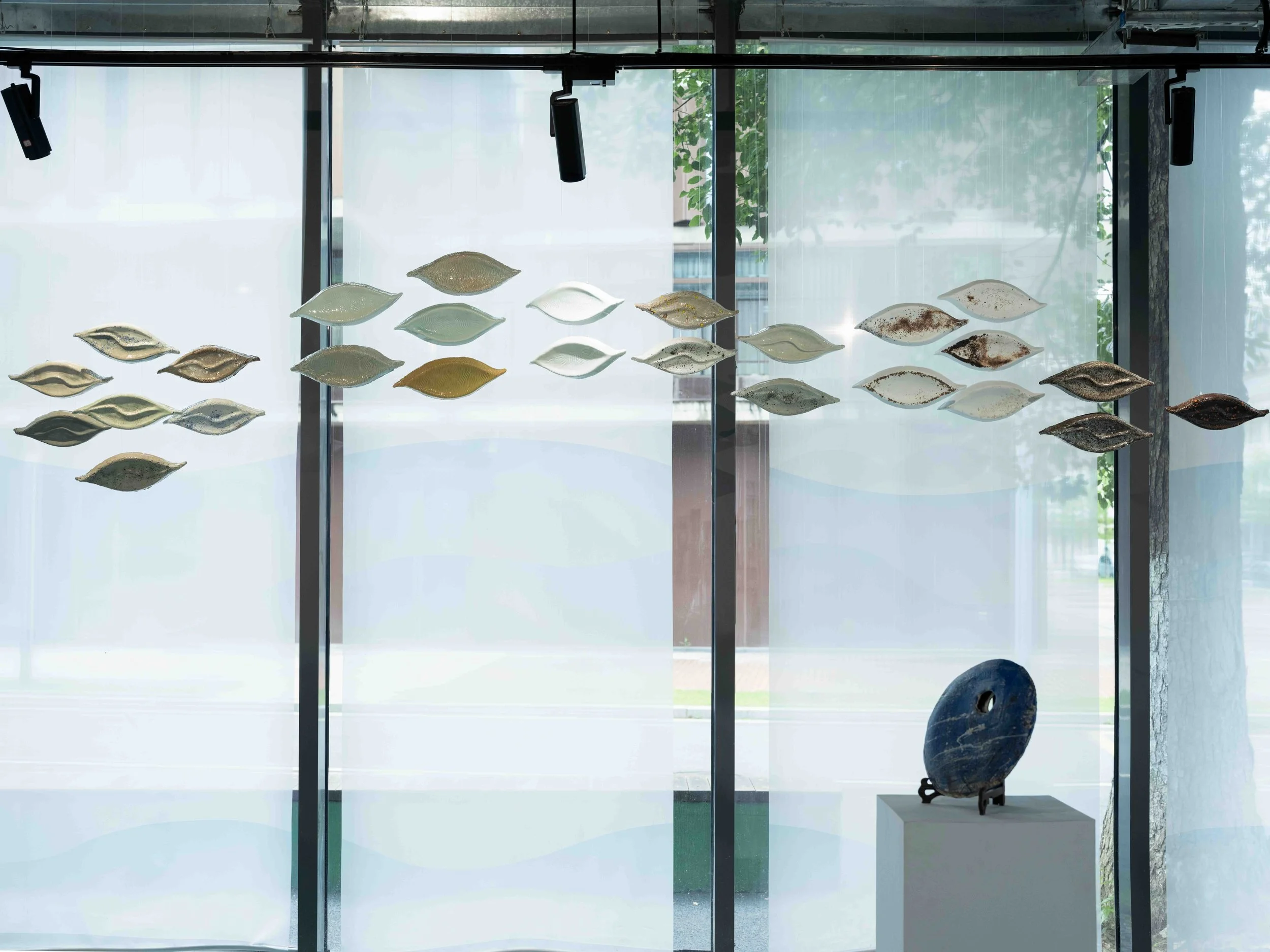
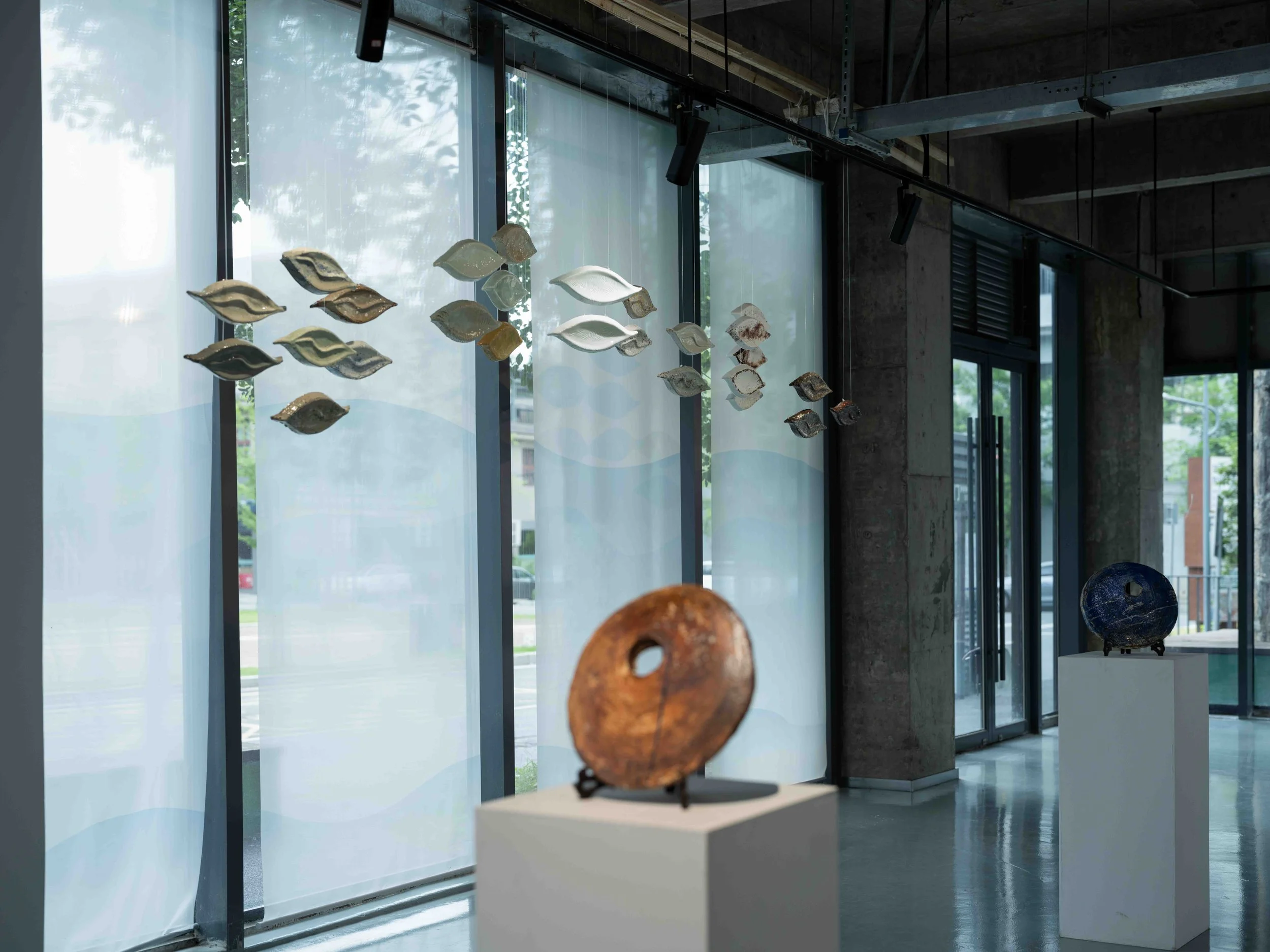
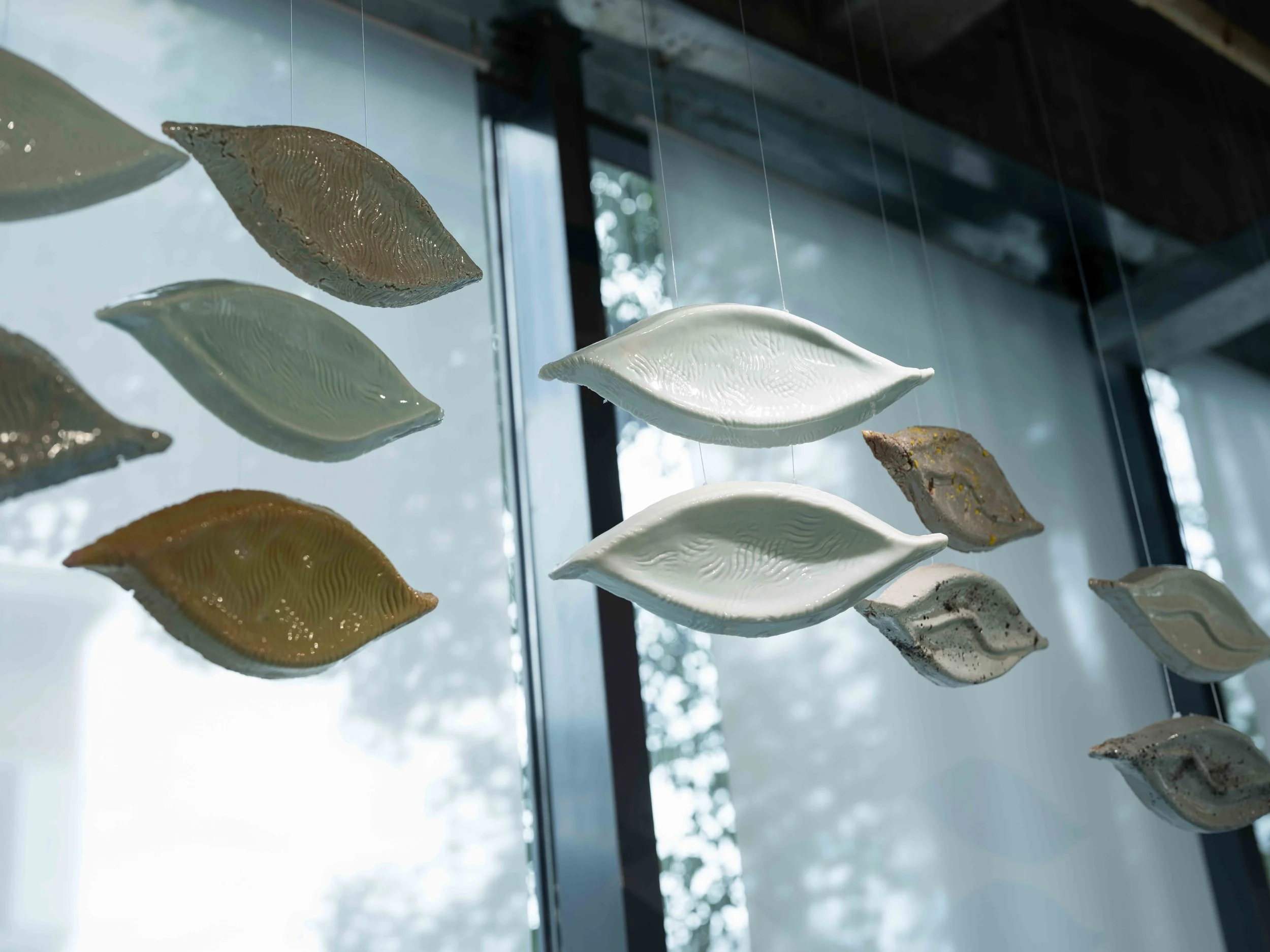
Referencing the shape of sugarcane and audio waves, the work links the voices, labour, and histories within it. Suspended groupings of ceramic waves evoke ocean crossings and the movement of people, goods, and cultures across imperial trade routes.
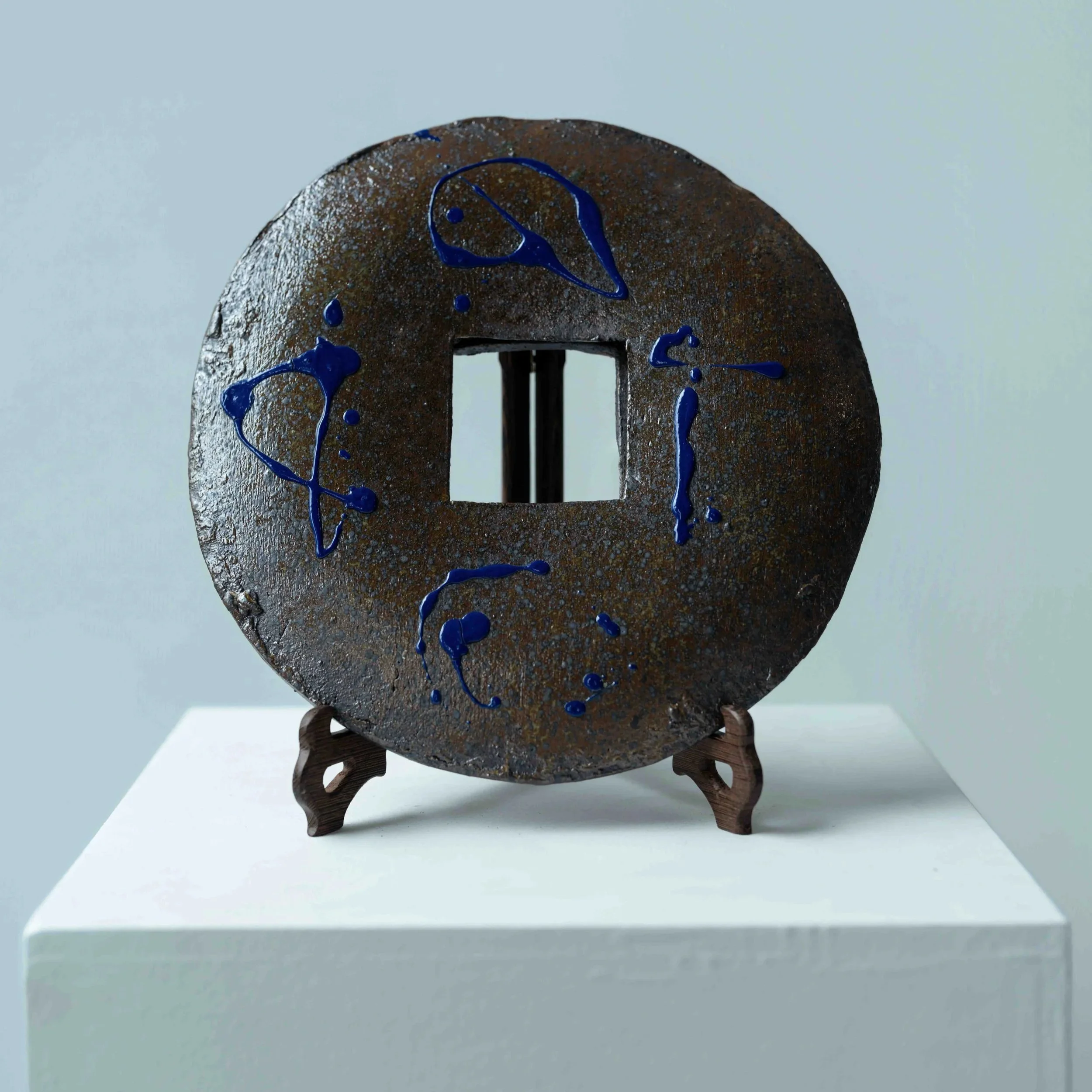
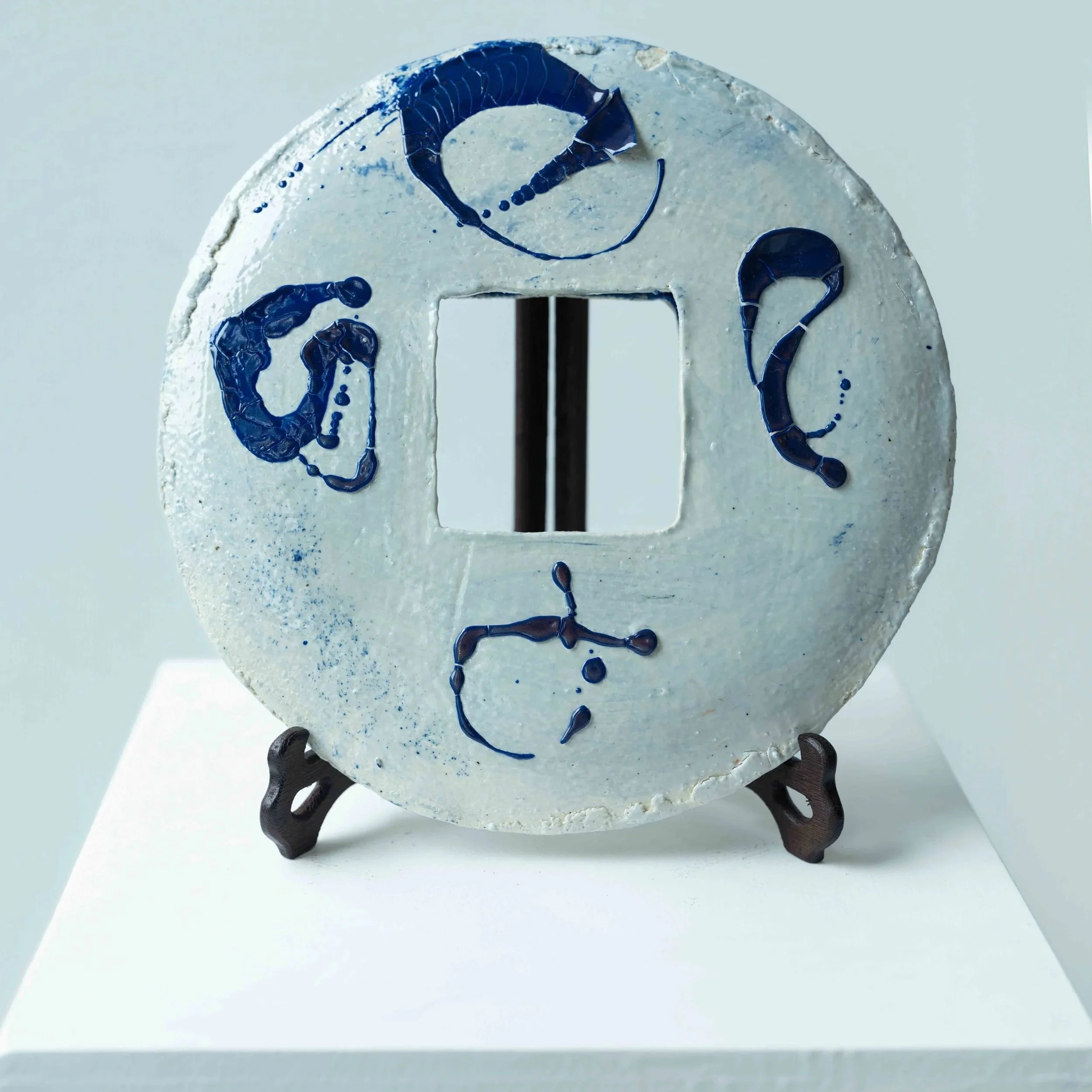
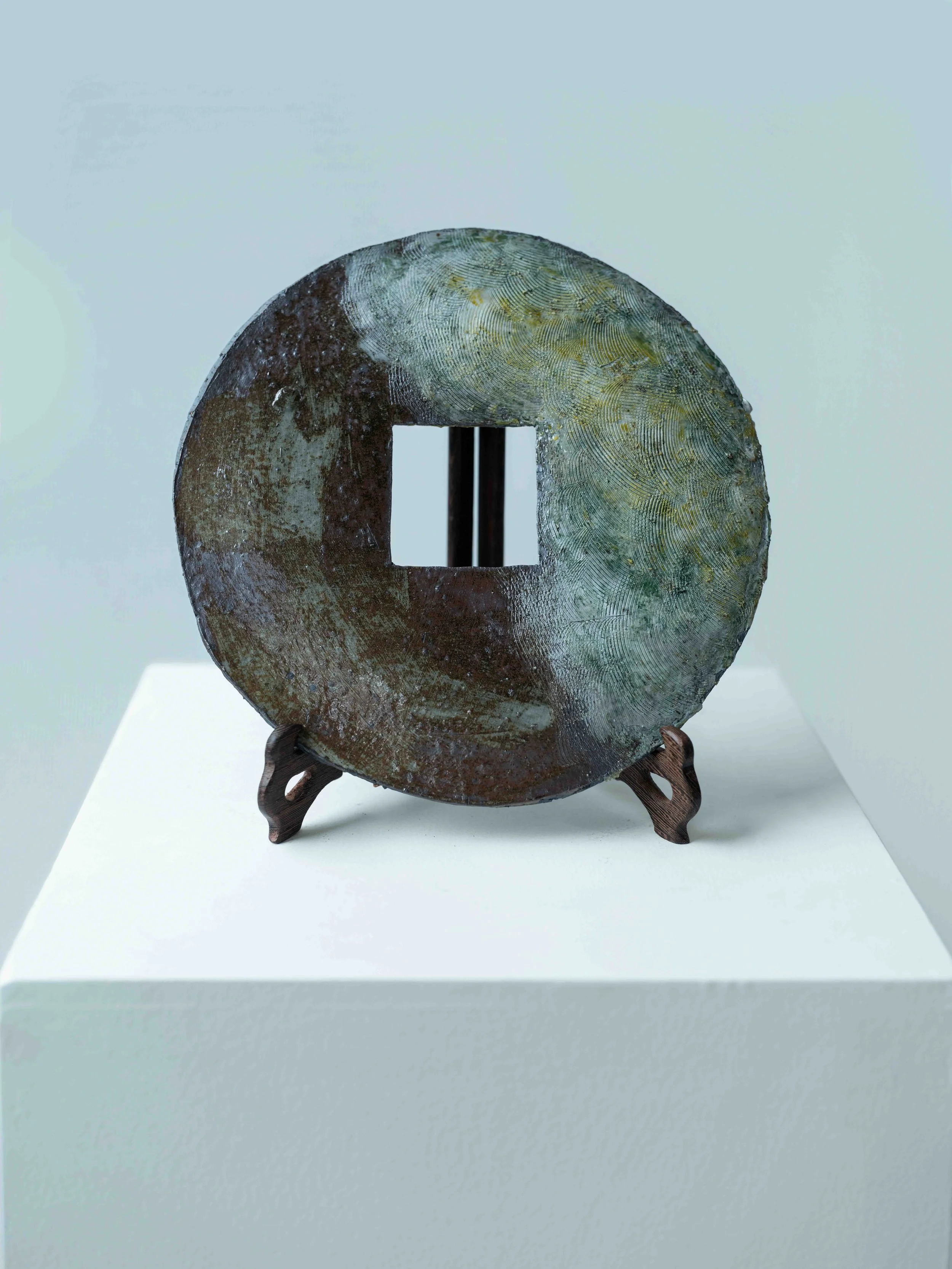
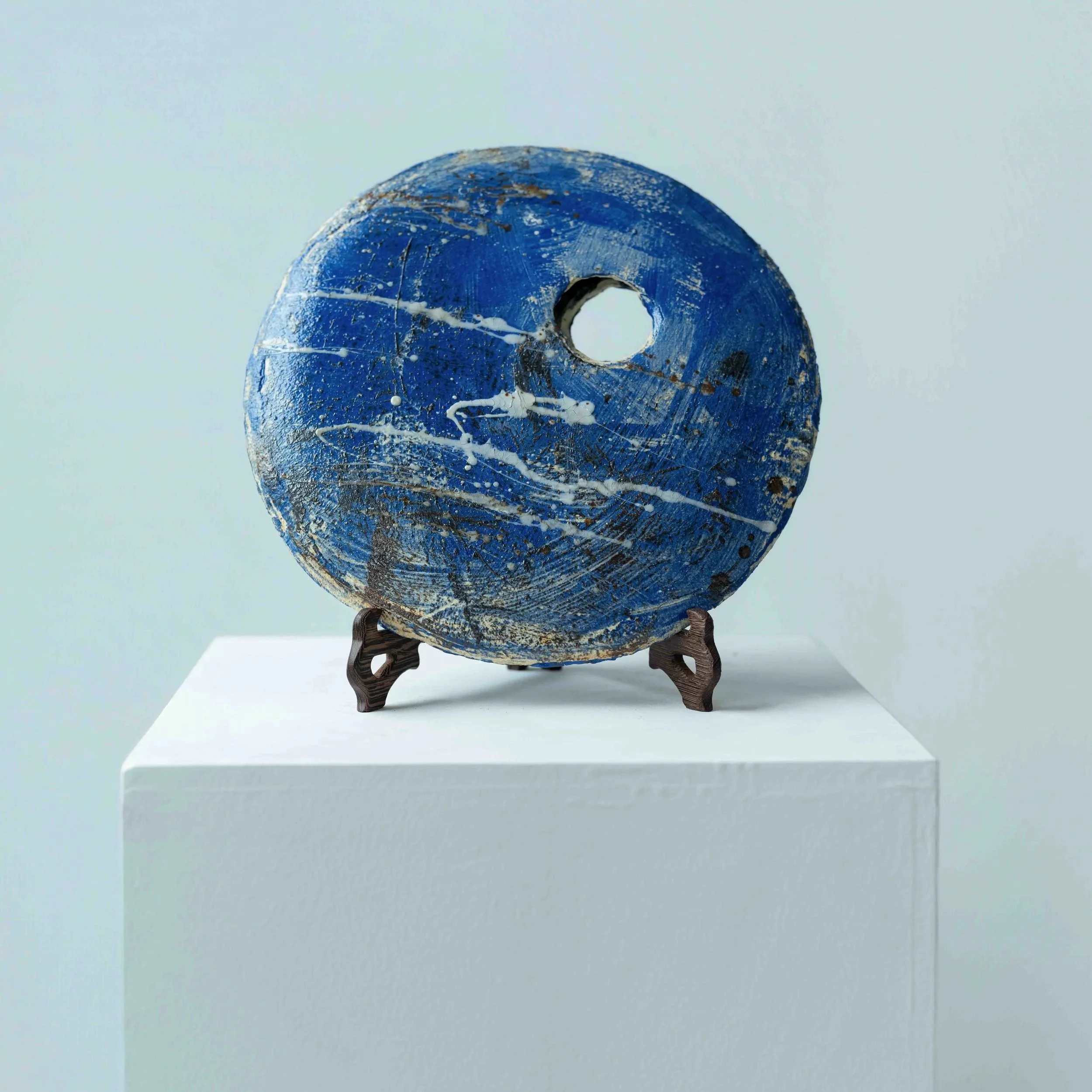
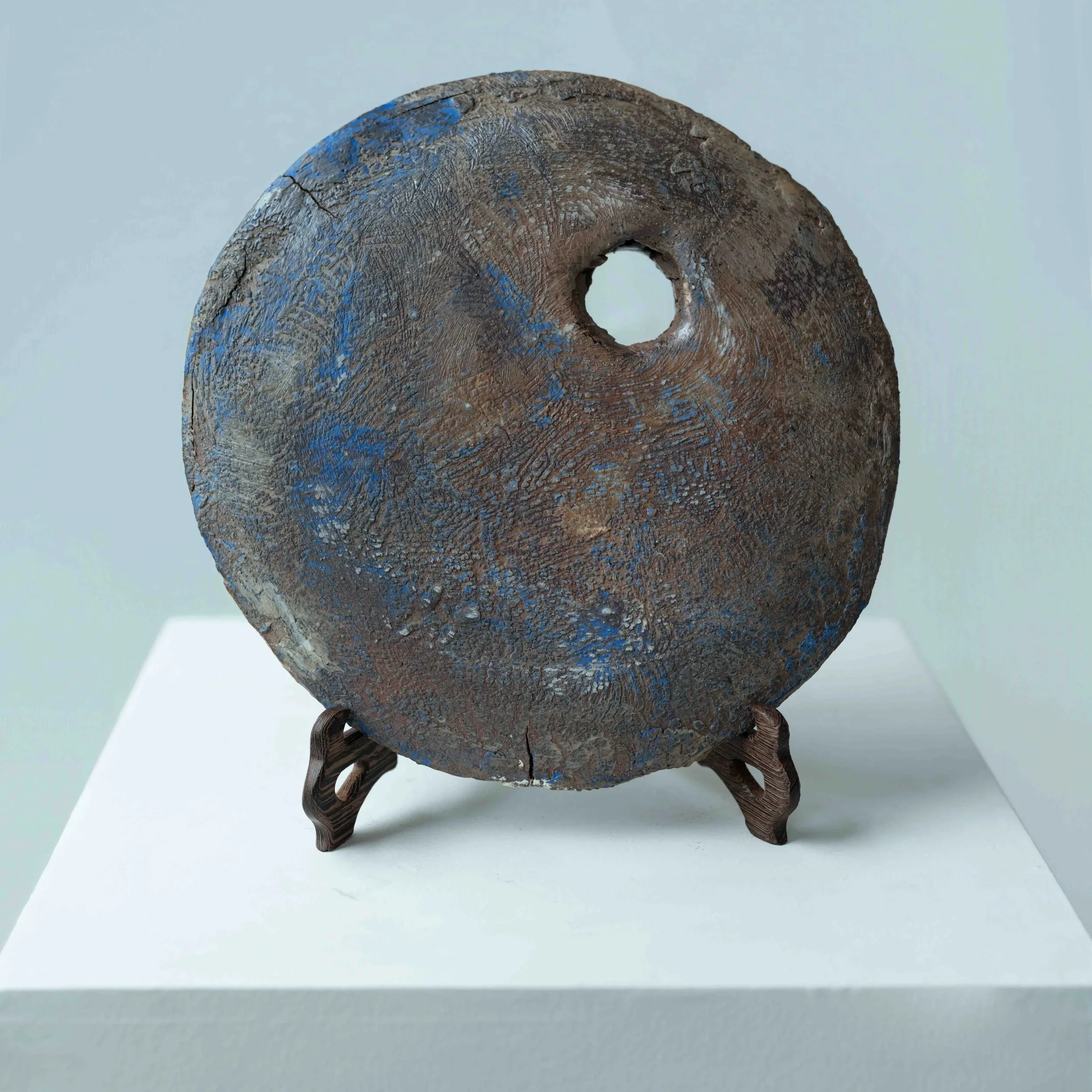
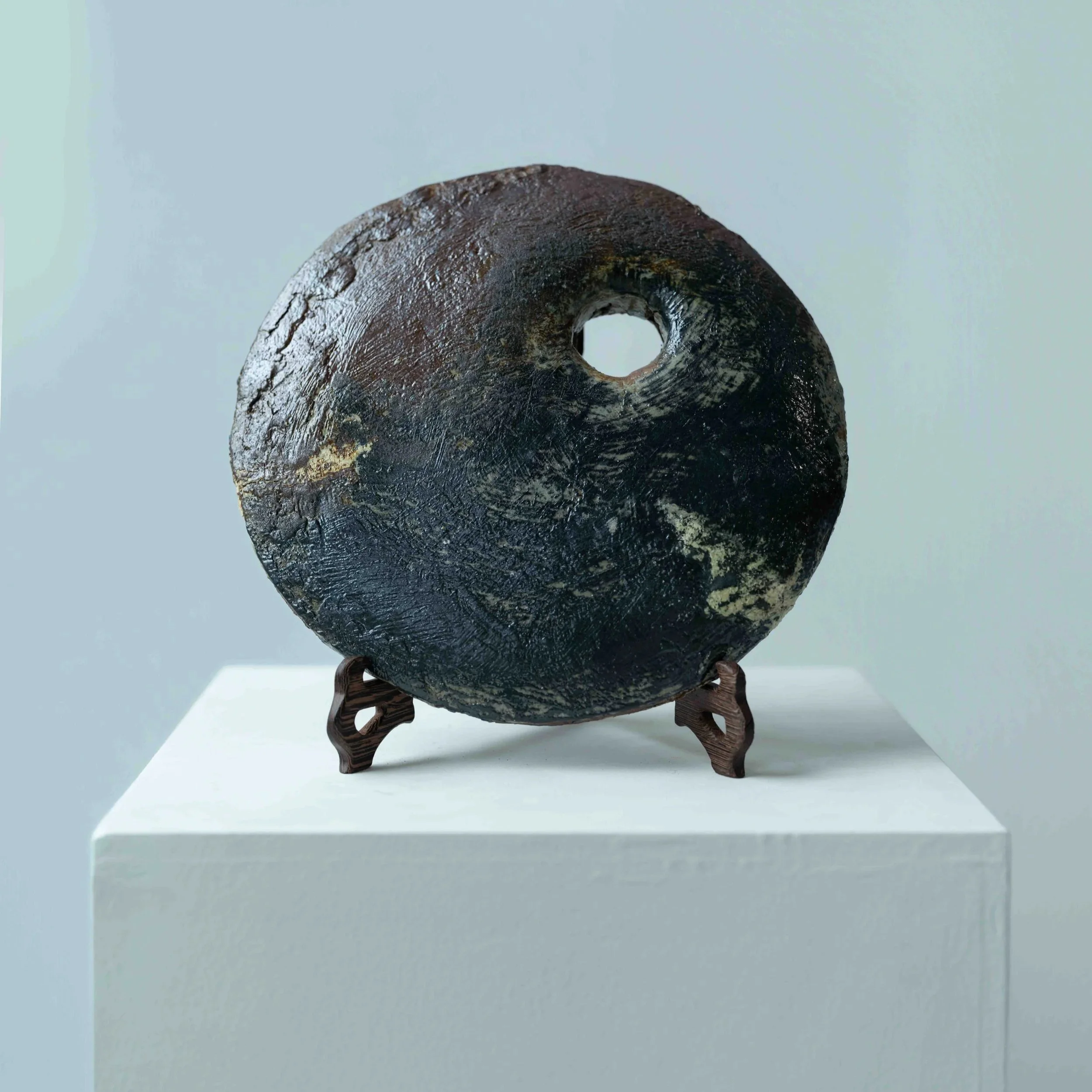
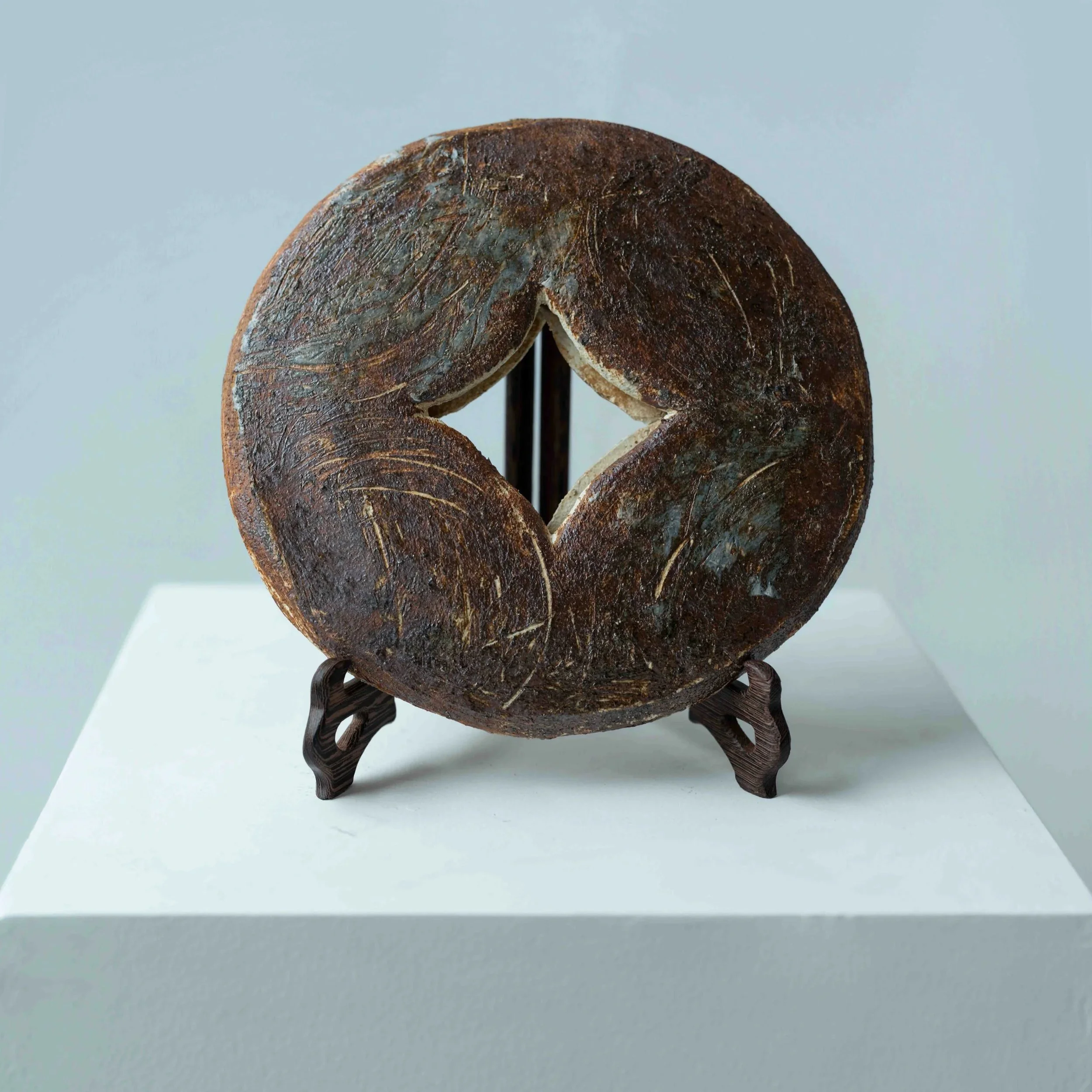
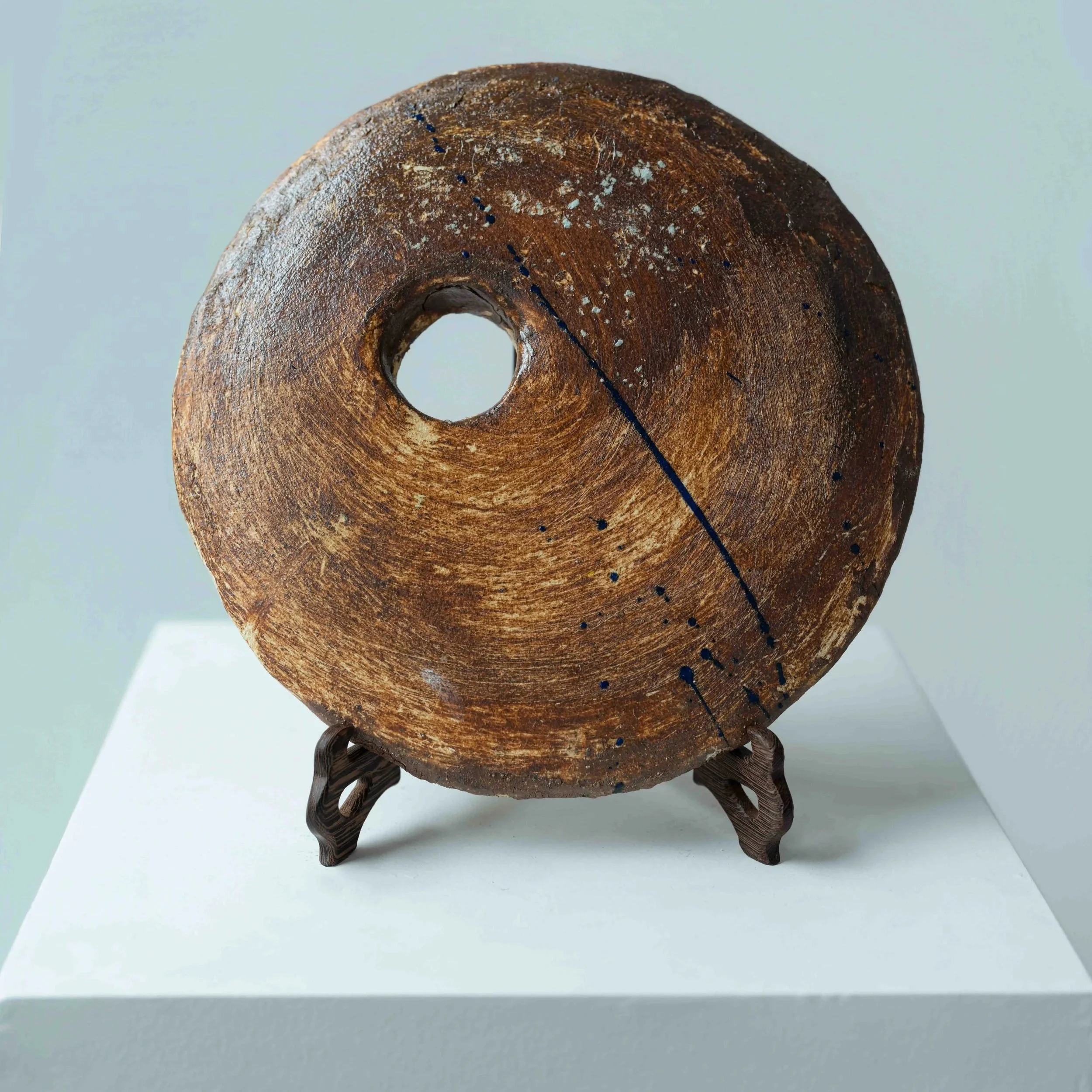
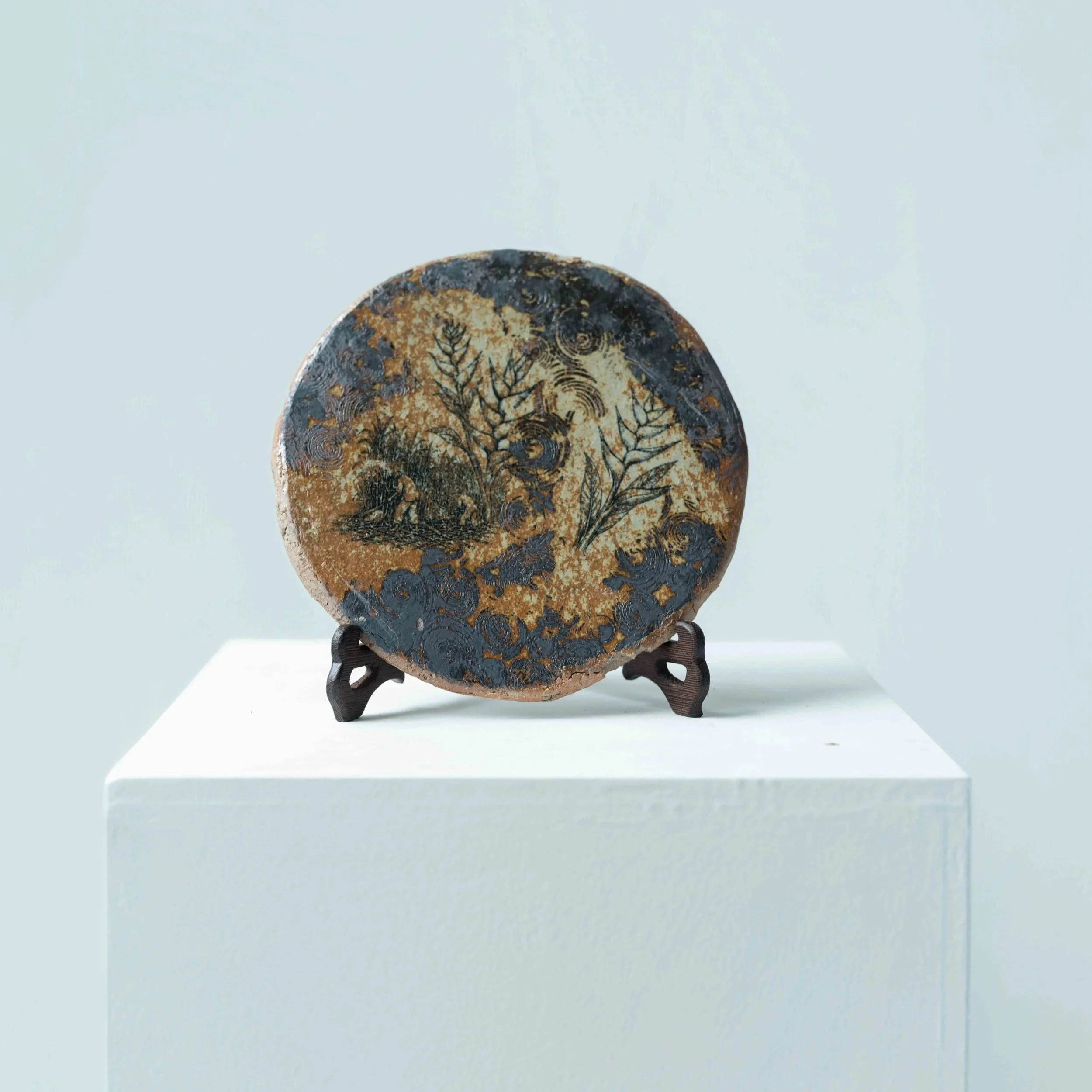
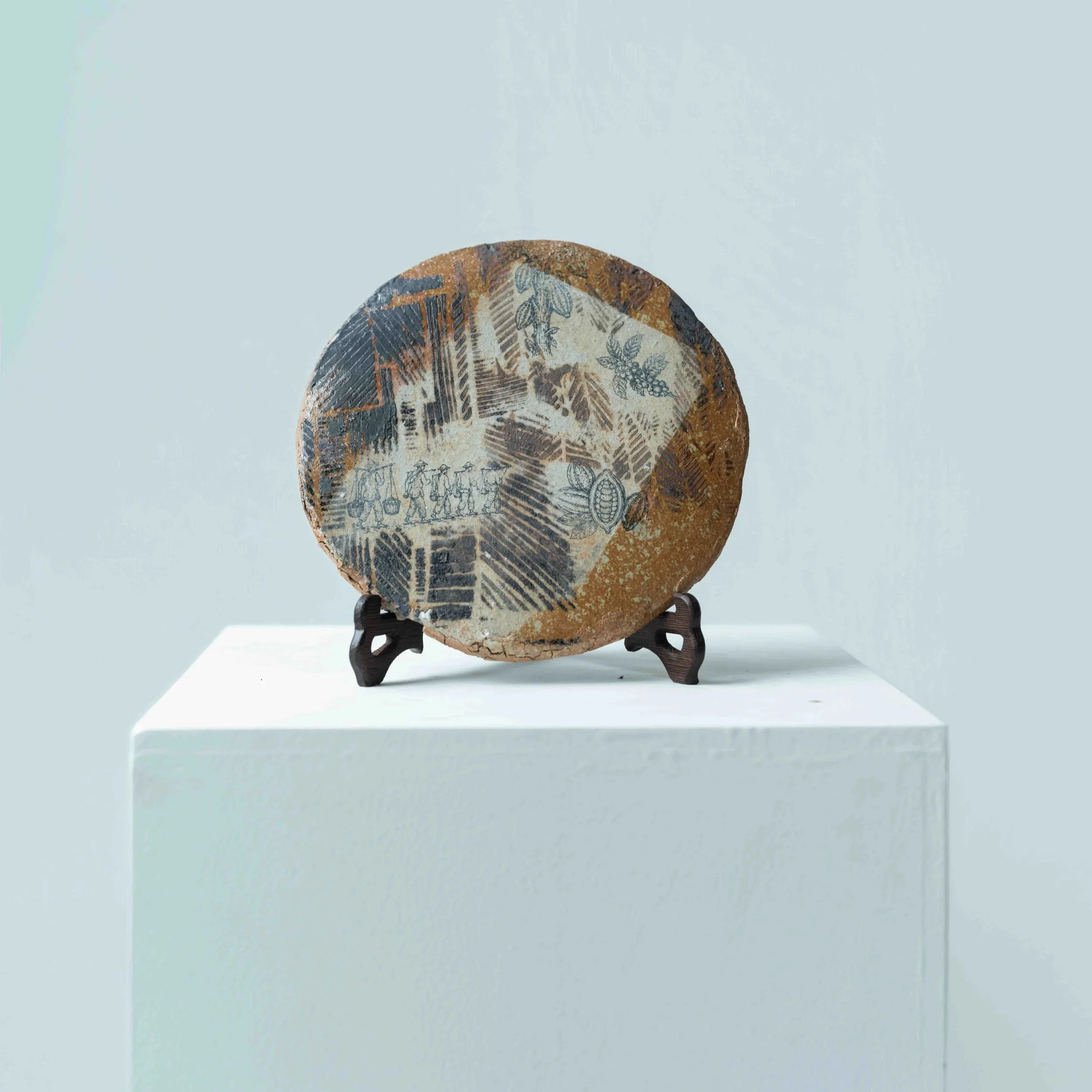
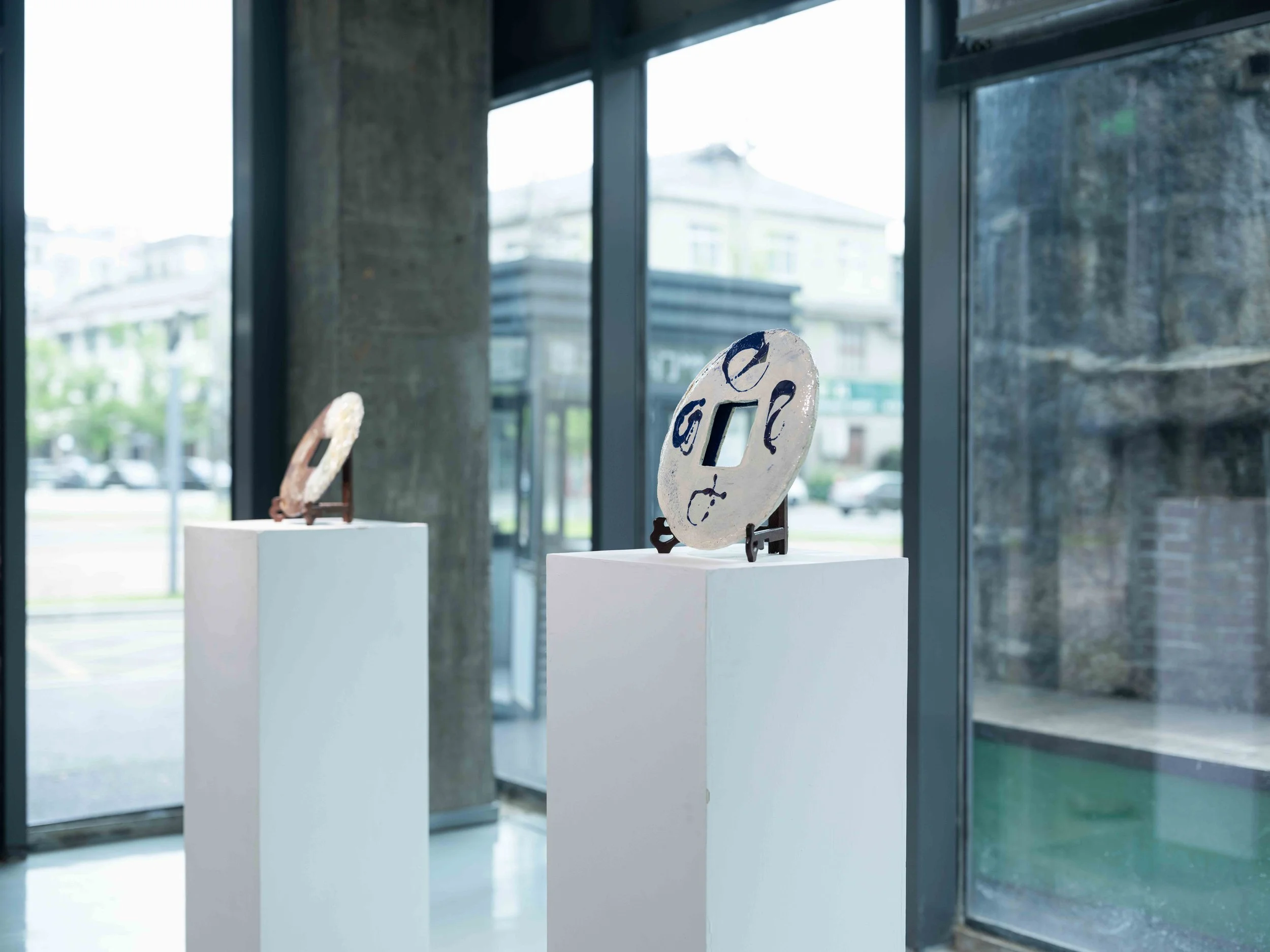
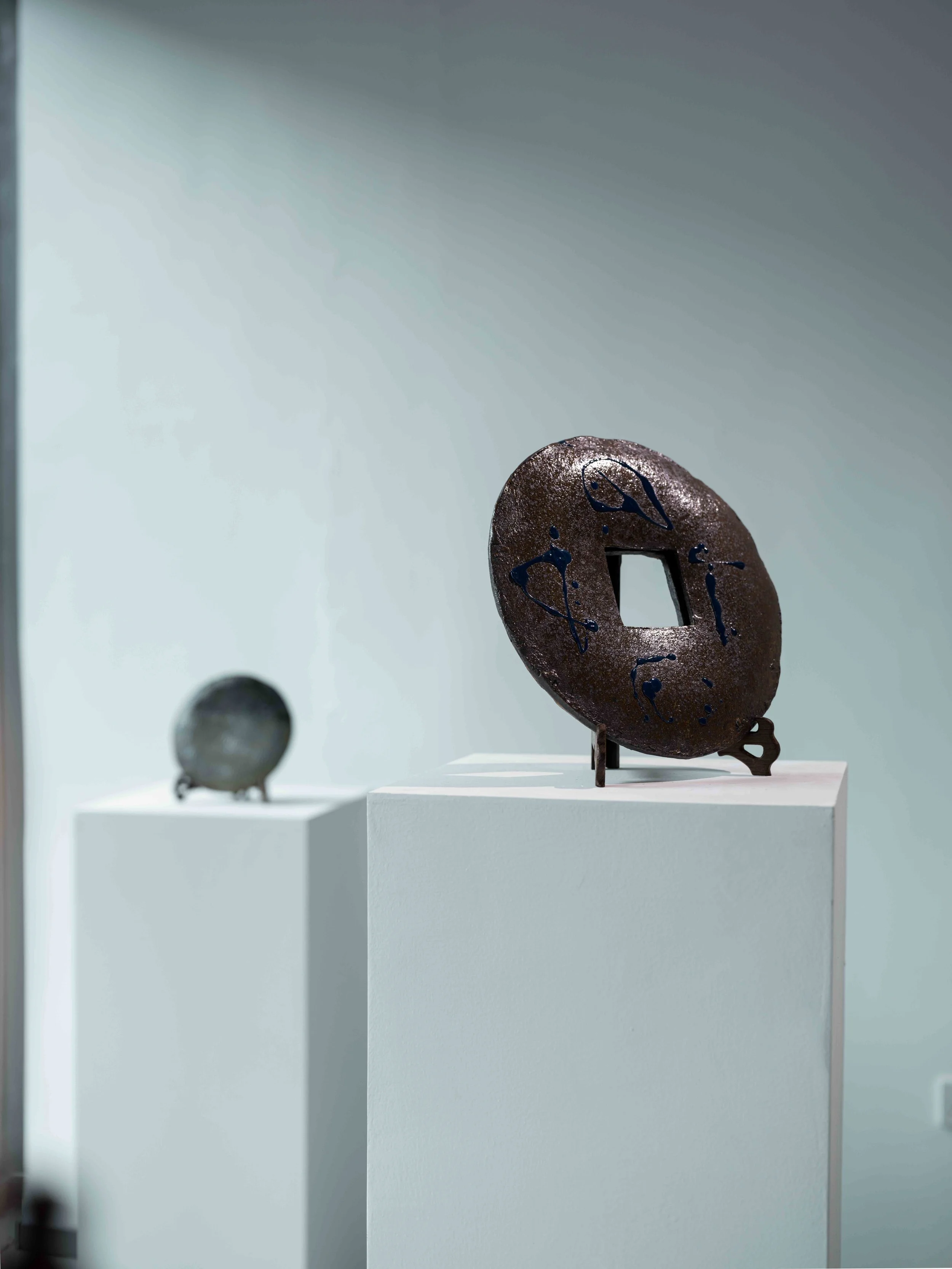
Enlarged ceramic coins represent nineteenth-century Chinese and British colonial currency. While Chinese coins had square openings in them that made them distinctive, Indian silver colonial coins were pierced by women to convert to jewelry in order to carry their wealth on their bodies. Together, these works consider the relationships between labour, value, mobility, and exchange.
Experimenting with Longquan clays, celadon glazes, and contemporary ceramic processes, the work aims to create a dialogue between historical narrative and contemporary ceramic practice.