July 13, 2026
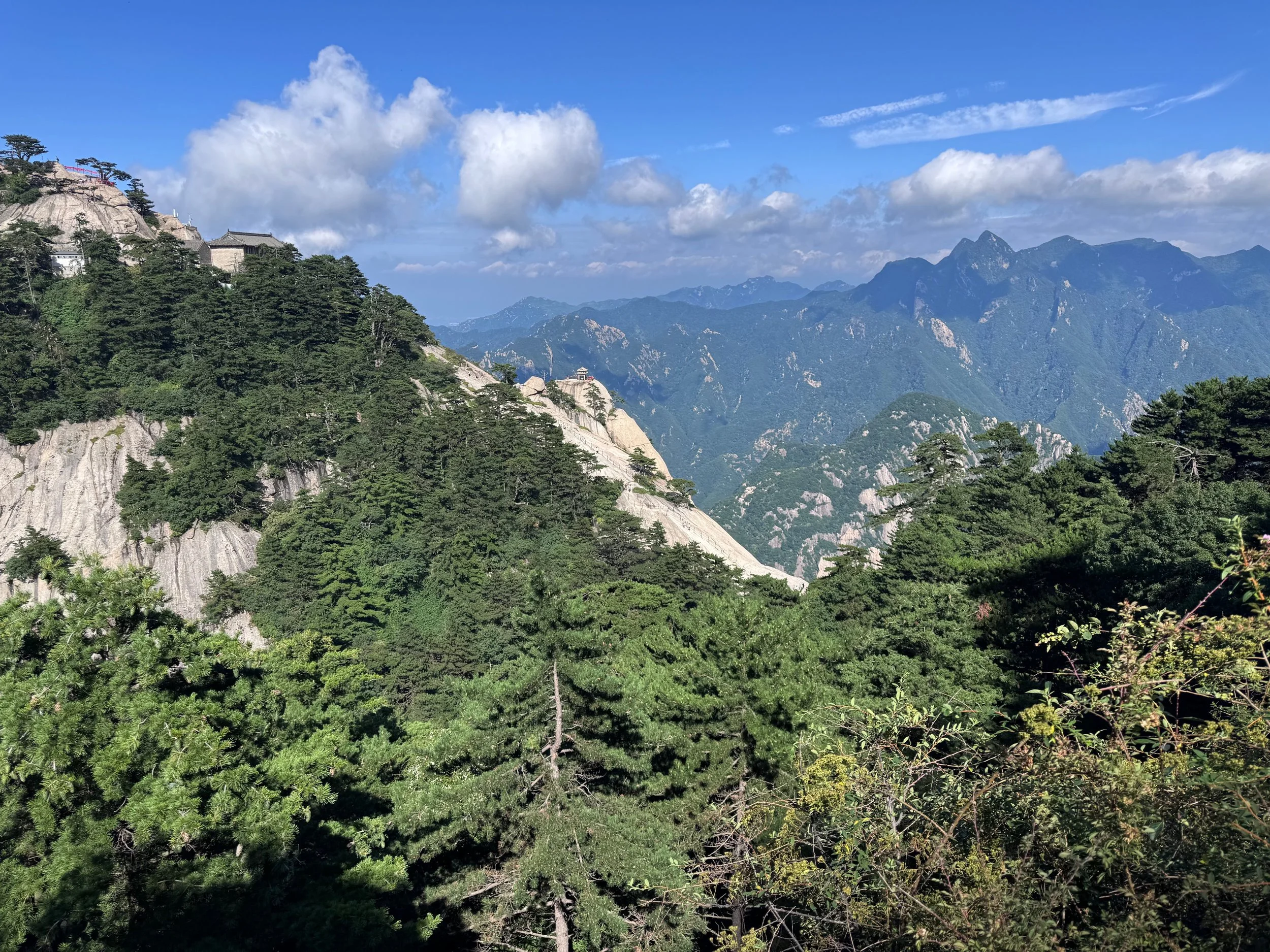
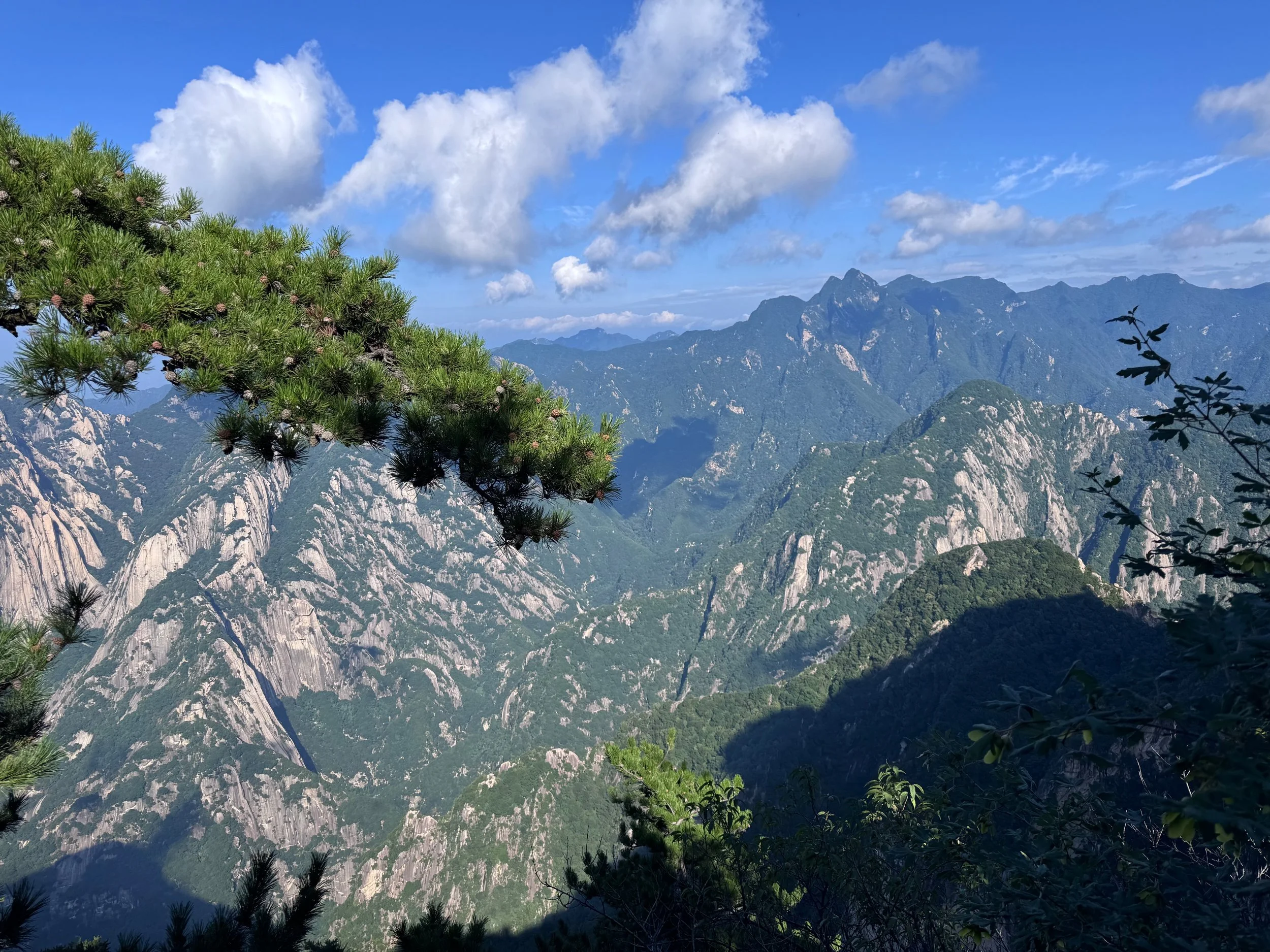
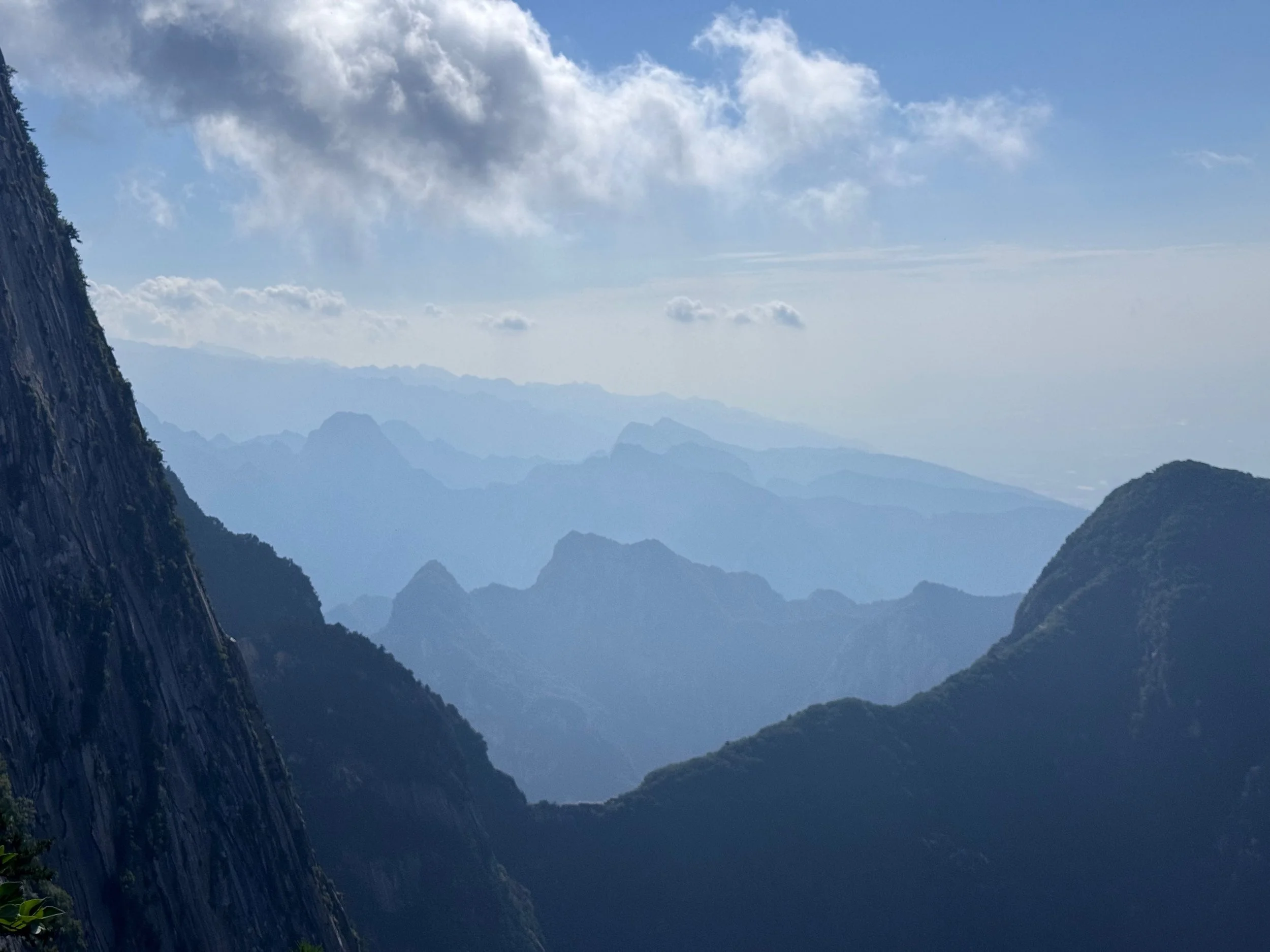
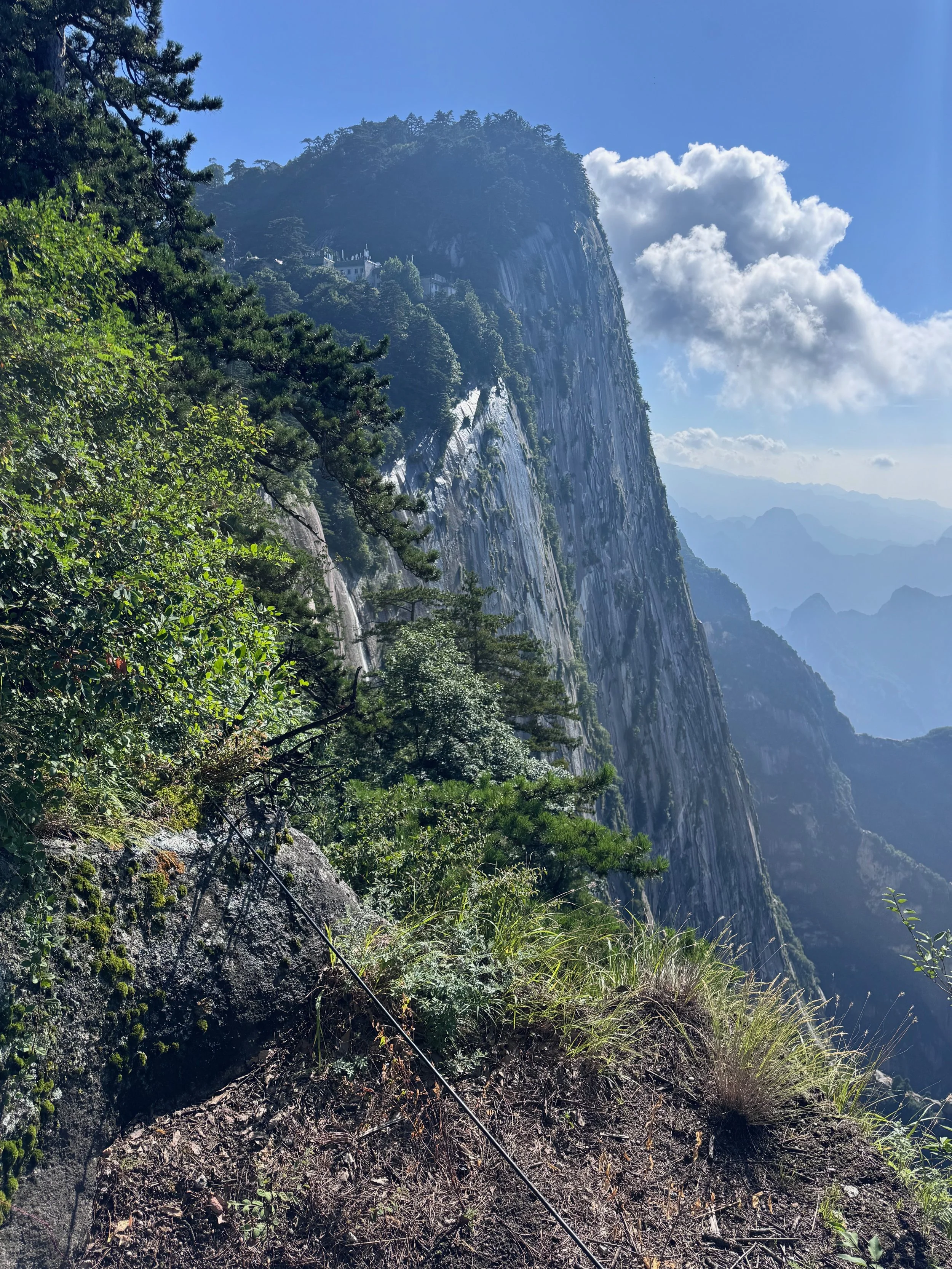
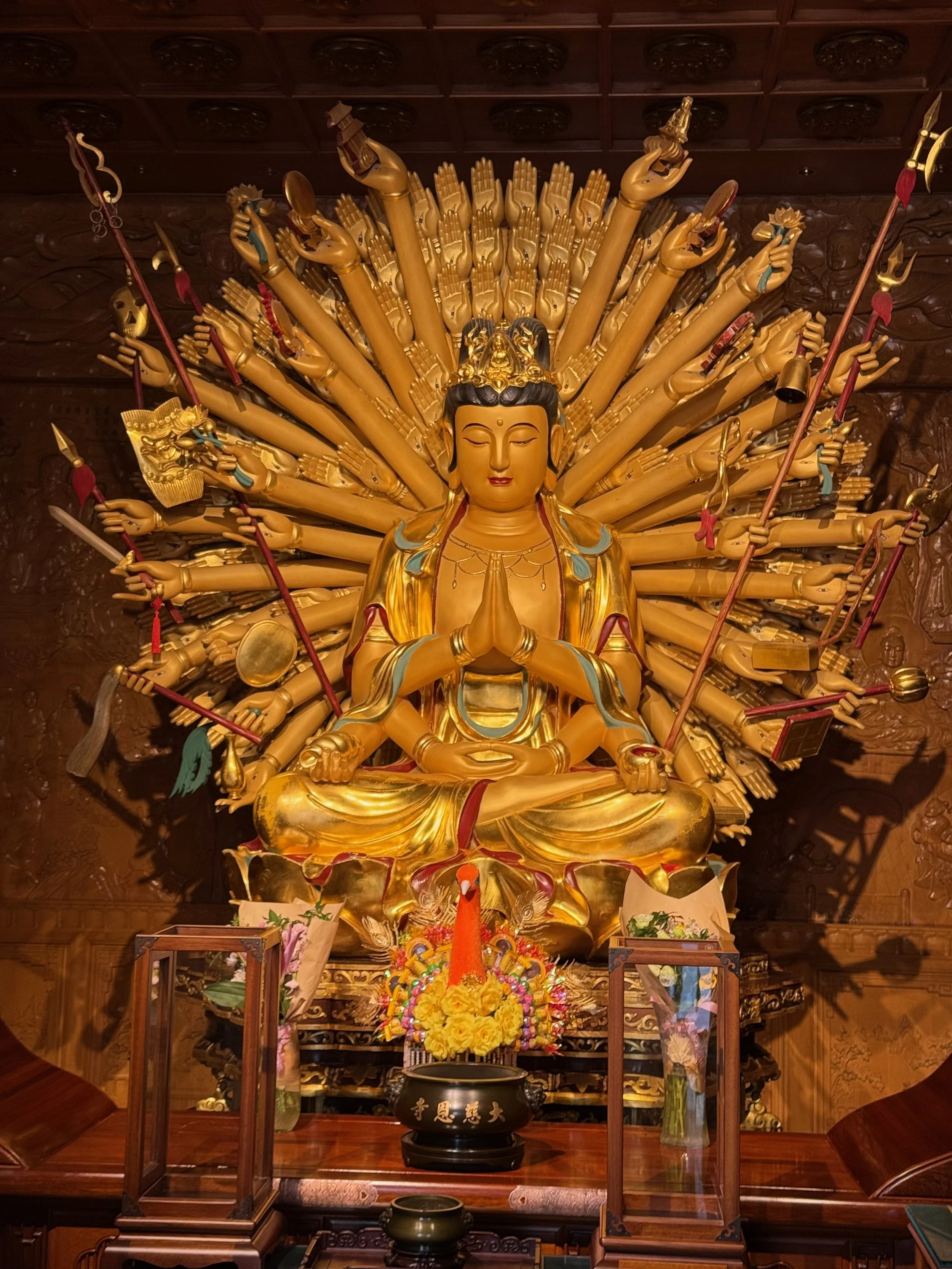
The entrails of Typhoon Bavi scuppered my departure from Xi'an by 48 hours. I took advantage of the delay to hop on a bullet train out of the city's heat and do a little mountain bathing. Huashan Mountain is one of China's most formidable offerings when it comes to peaks and valleys. I ran into four recent high school graduates from another small city while getting on the funicular, and we spent the day together, hiking nearly 16,000 steps. Huashan's highest summit, South Peak, rises to just over 2,100 metres.
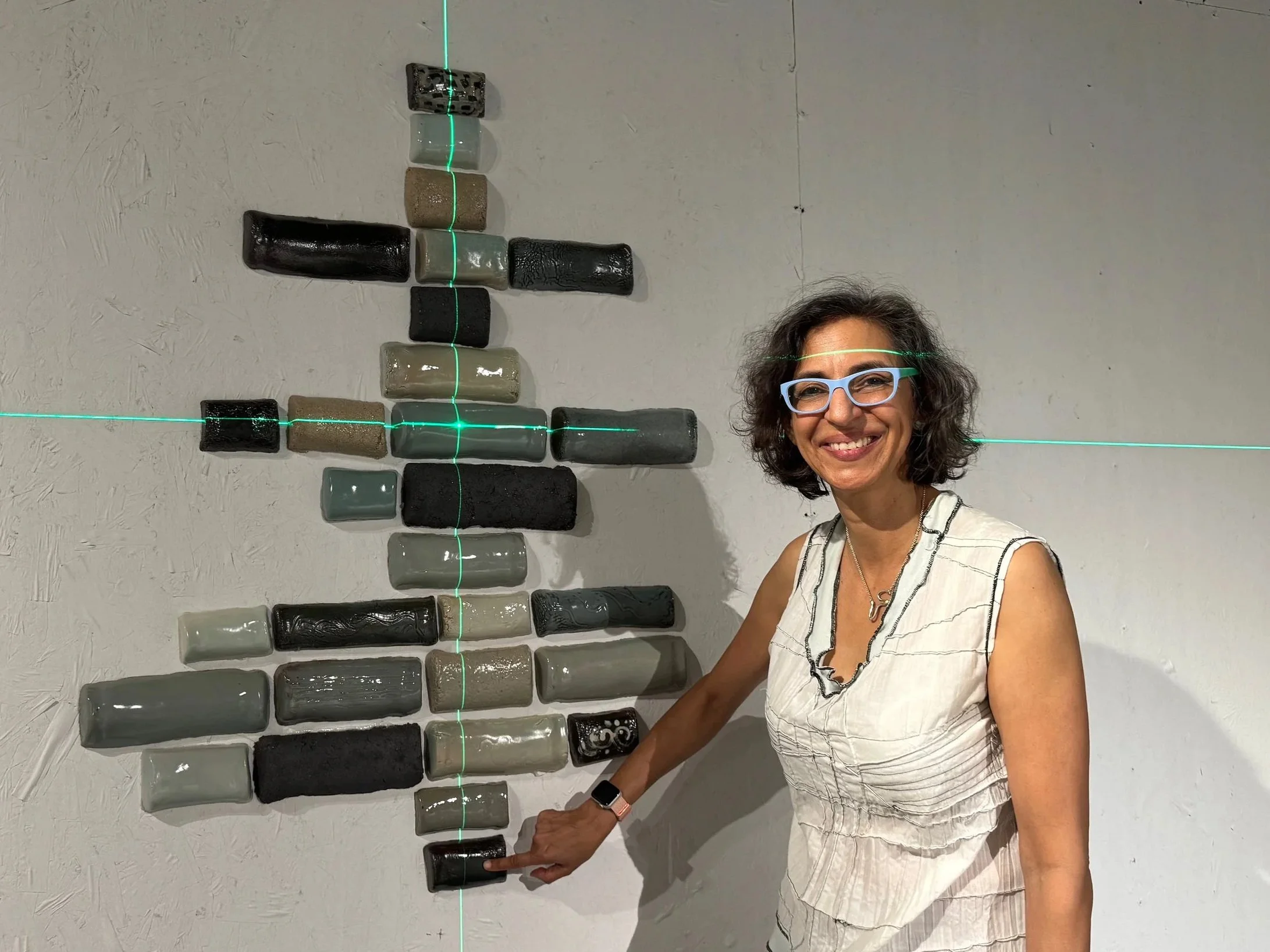
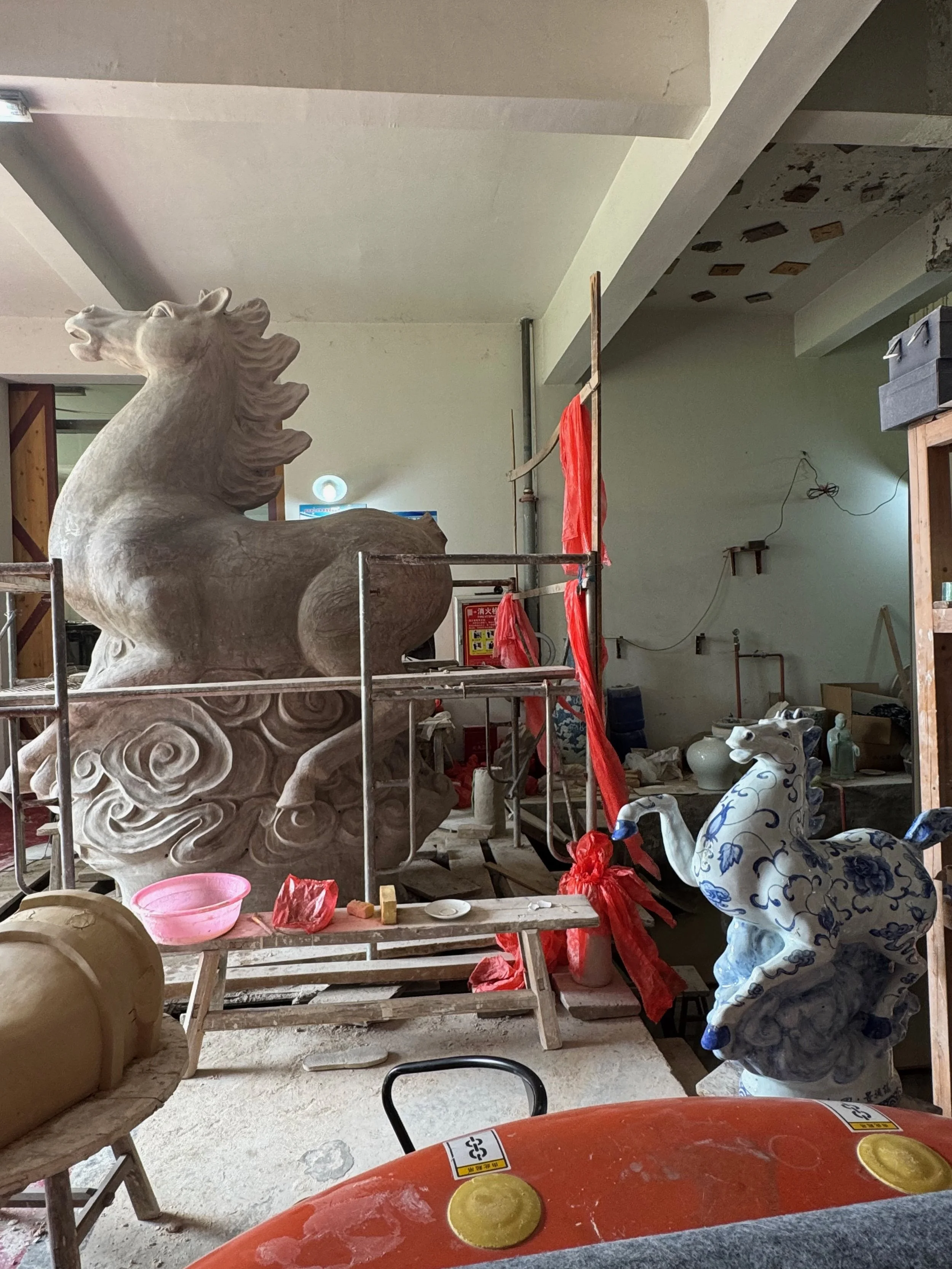
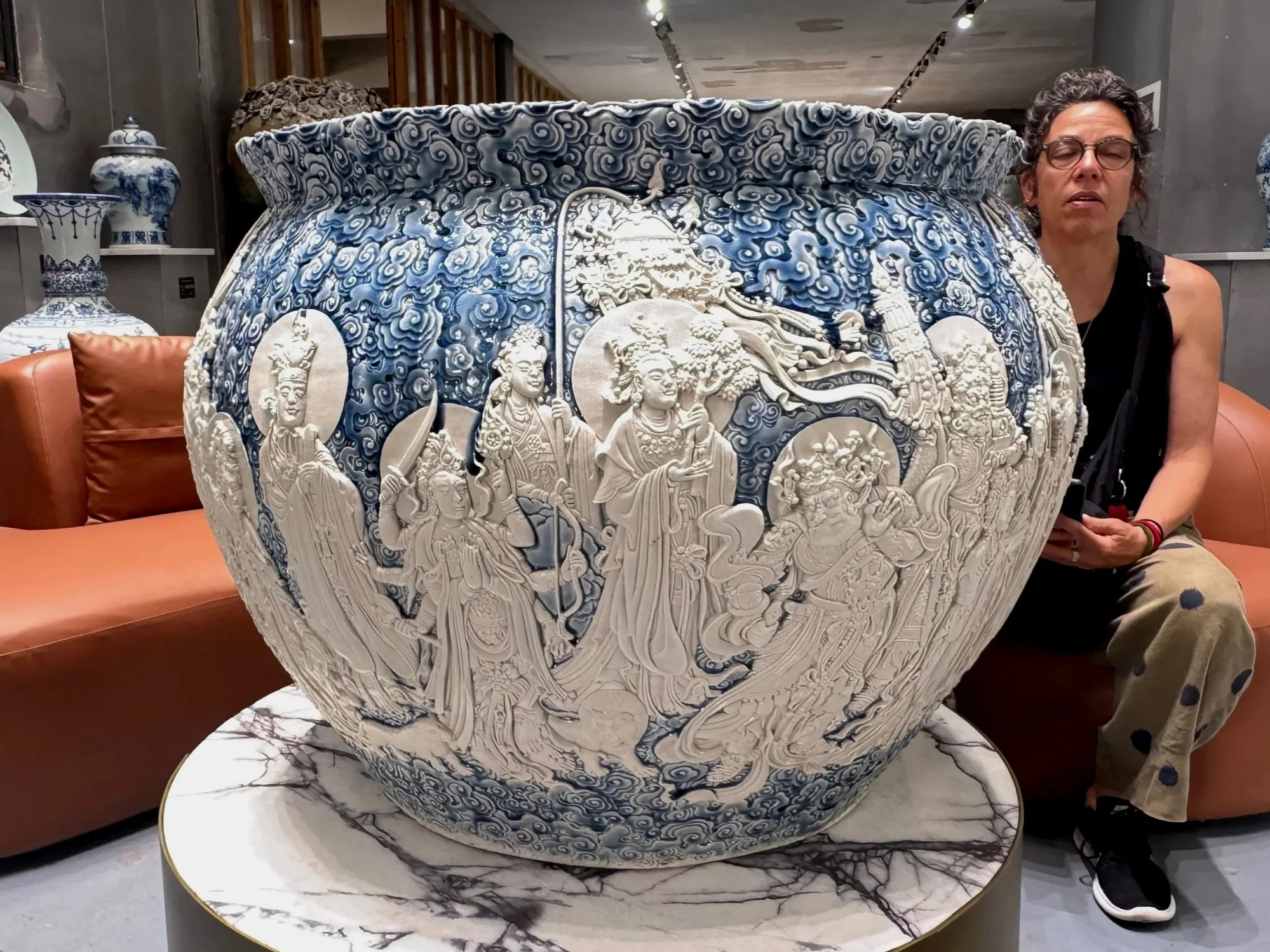
Installing Pagoda — Lost in Translation, a collaboration with Alexander Perlin for the Clay for Peace Project
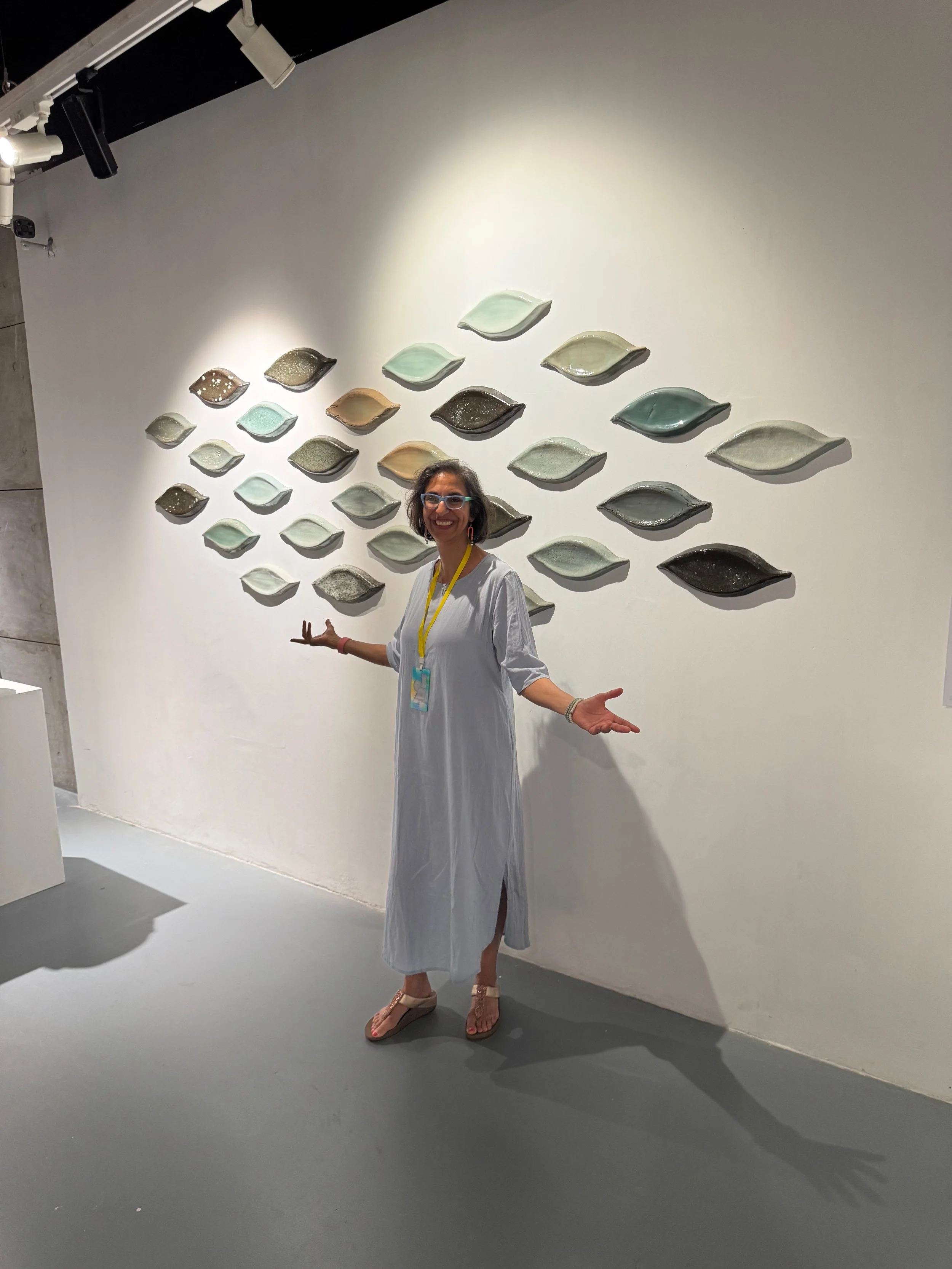
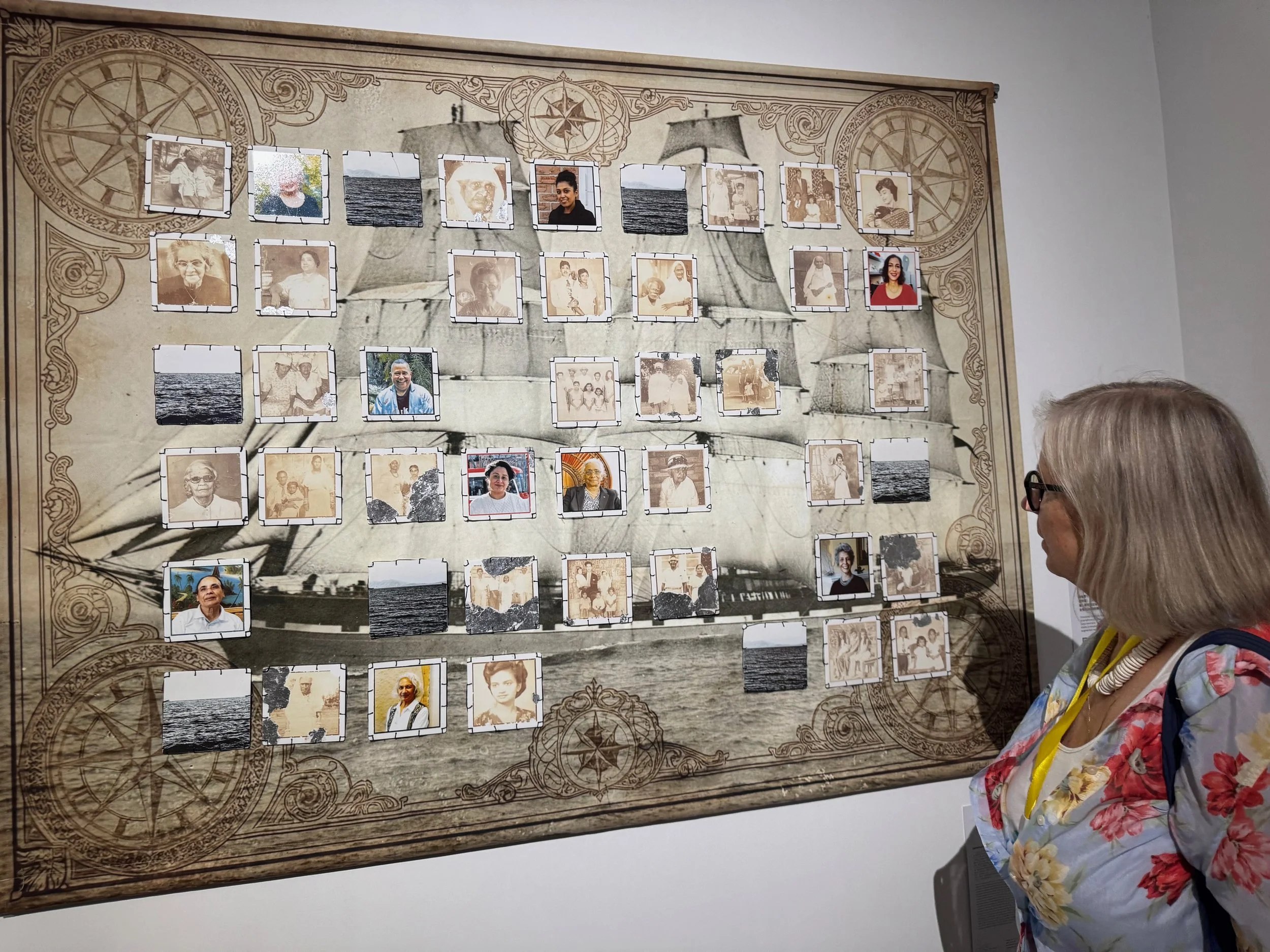
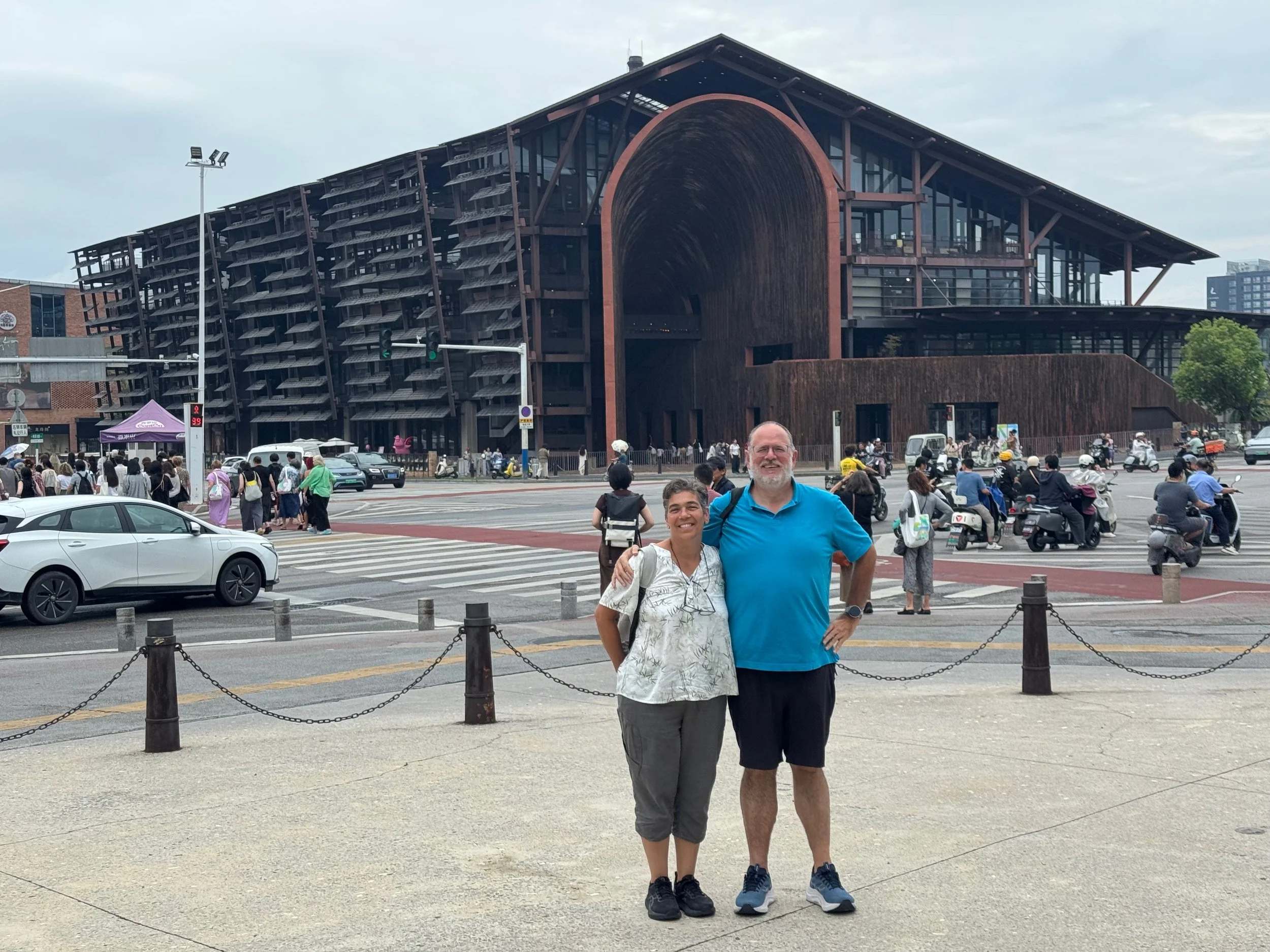
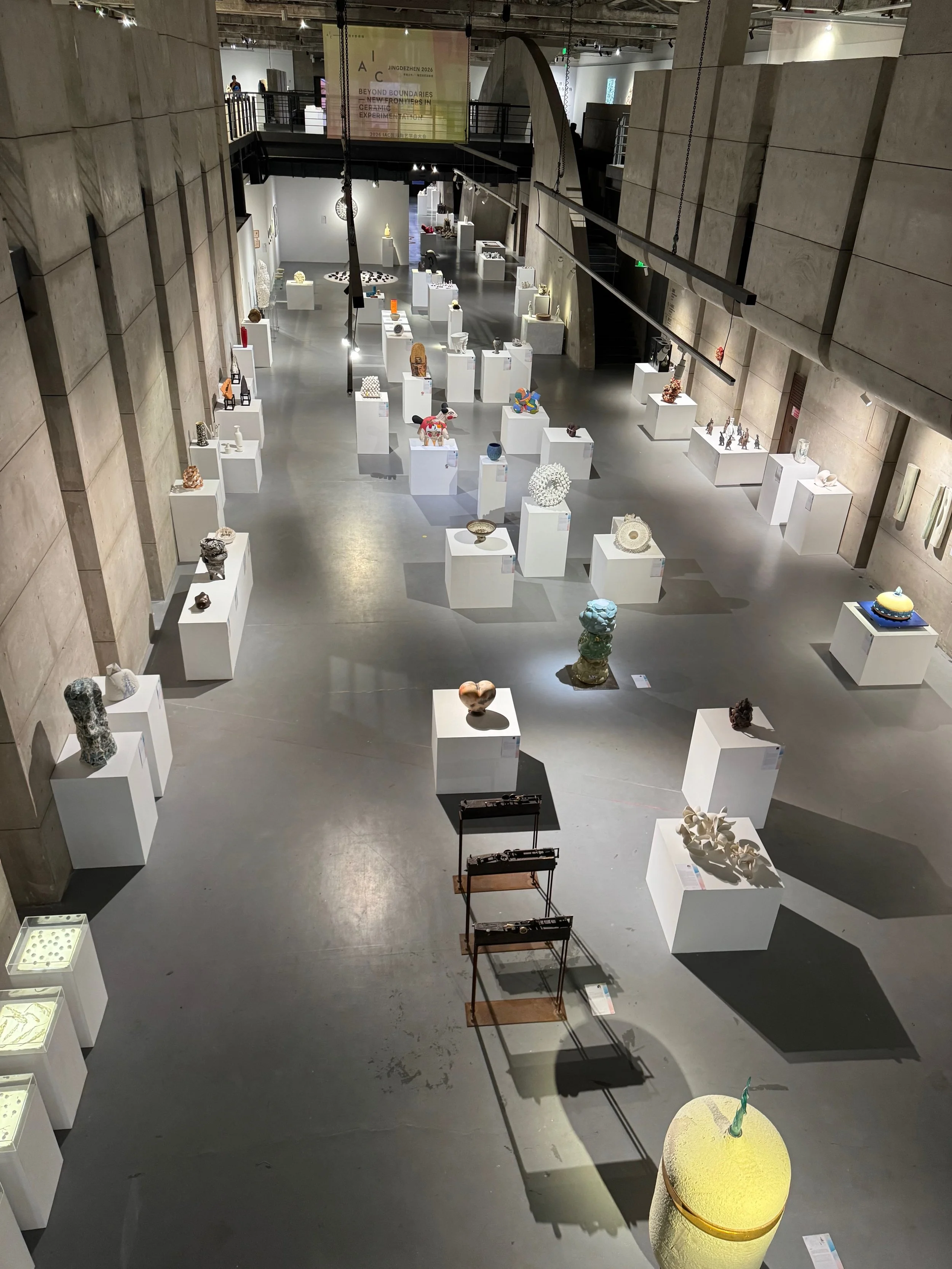
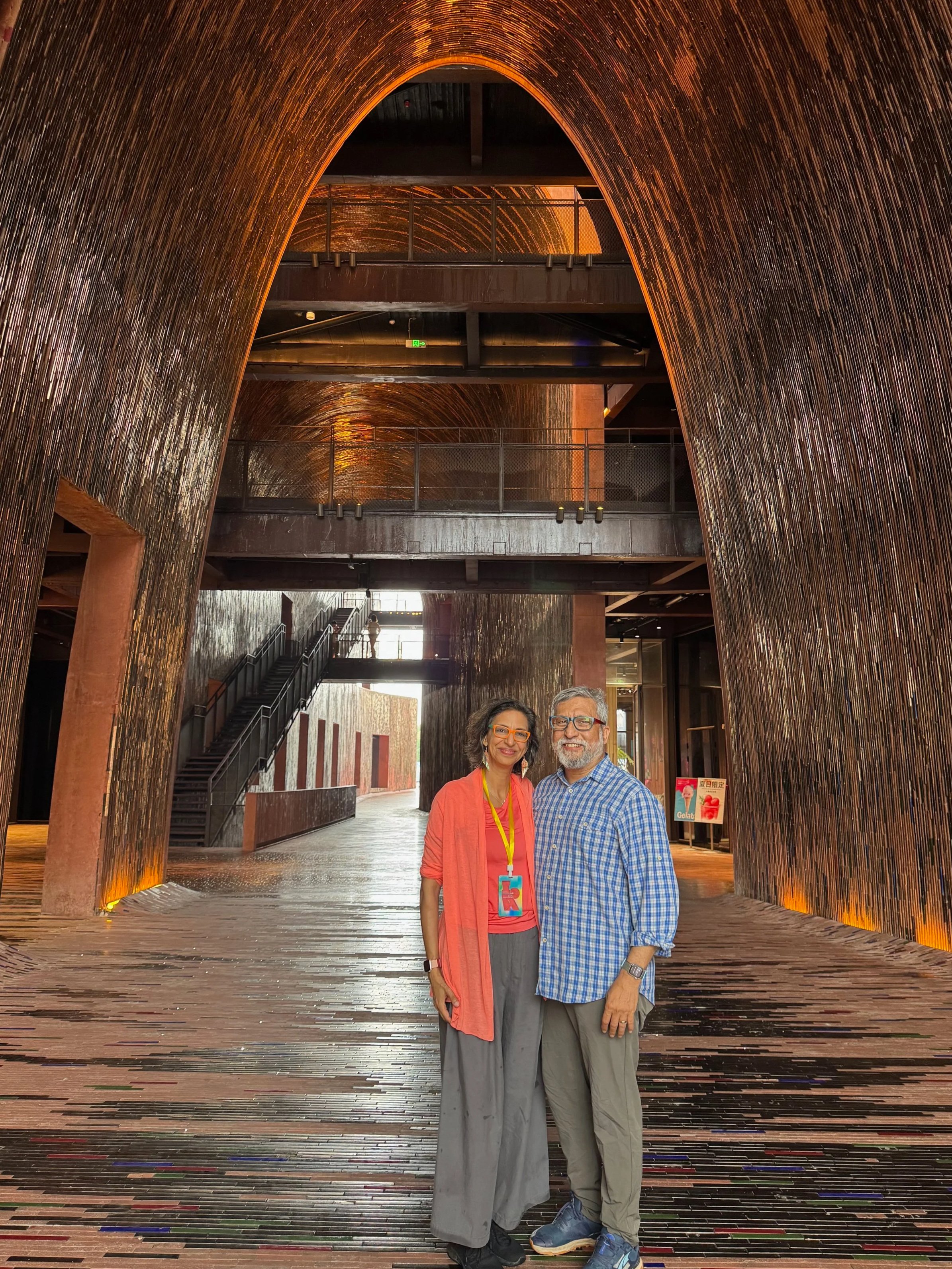
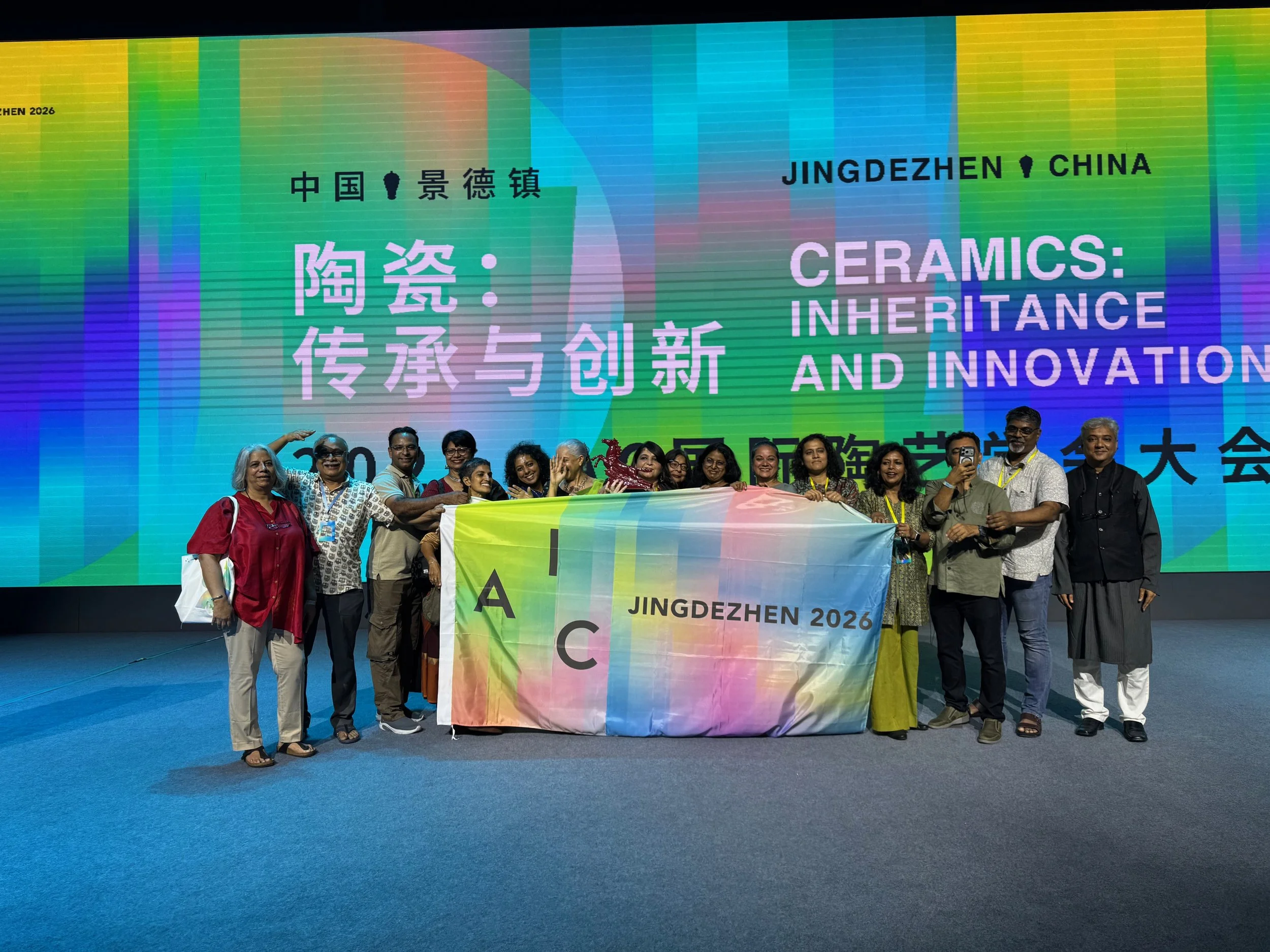
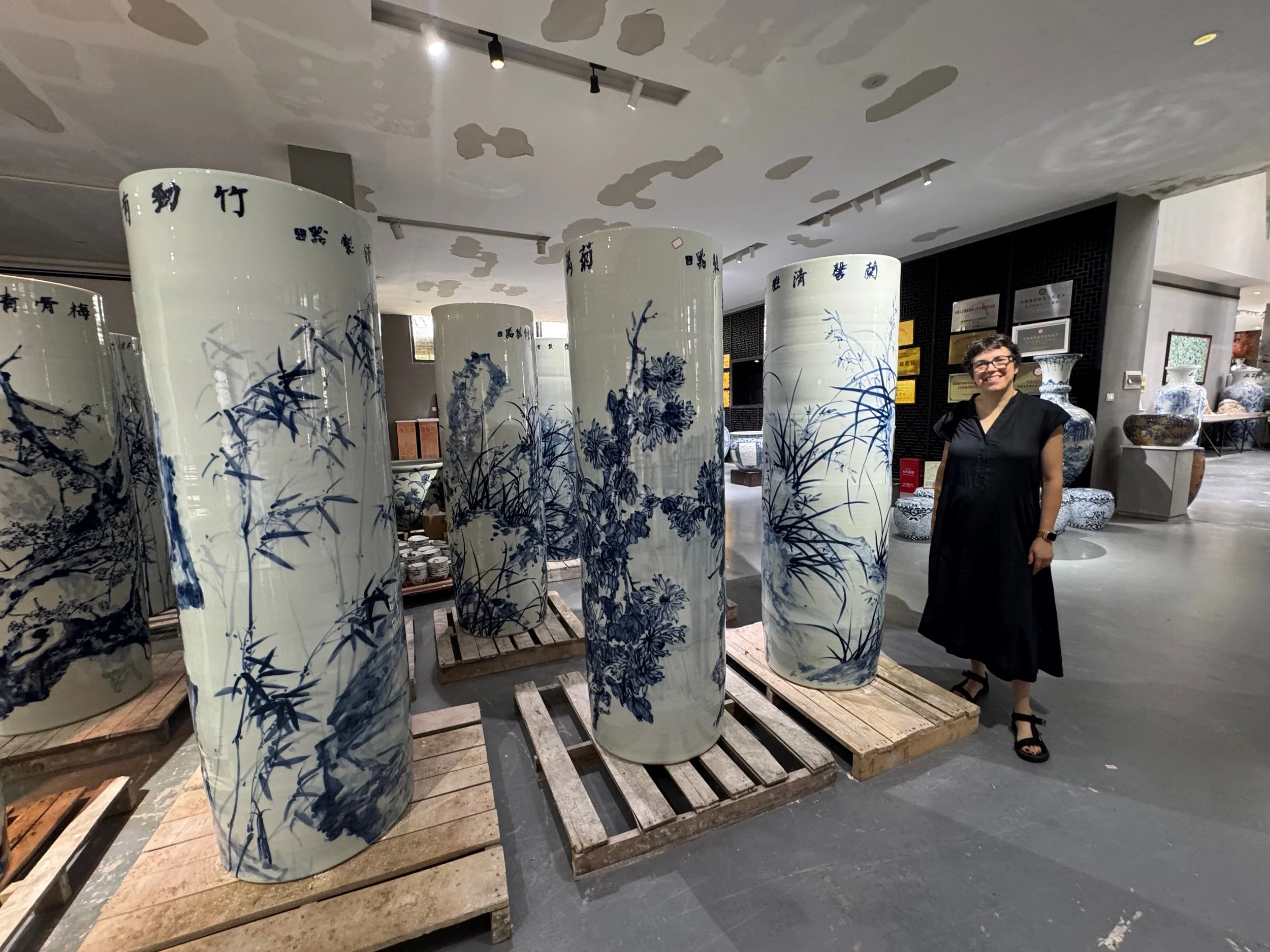
Ali joined me in Jingdezhen on June 28th, just as the IAC's (International Academy of Ceramics) 52nd Biennial Congress, Inheritance and Innovation, took flight. I spent two days installing three works in Taoxichuan's main Art Gallery: Ocean Fields, for the pre-congress residents' exhibition; Kali Pani Krossings, for the juried IAC Members' Exhibition; and Pagoda – Lost in Translation, a work I created with Alexander Perlin from Belarus during our time together in Longquan for the Clay for Peace Project. Two of the works have now been officially acquired by Taoxichuan Ceramics Gallery.
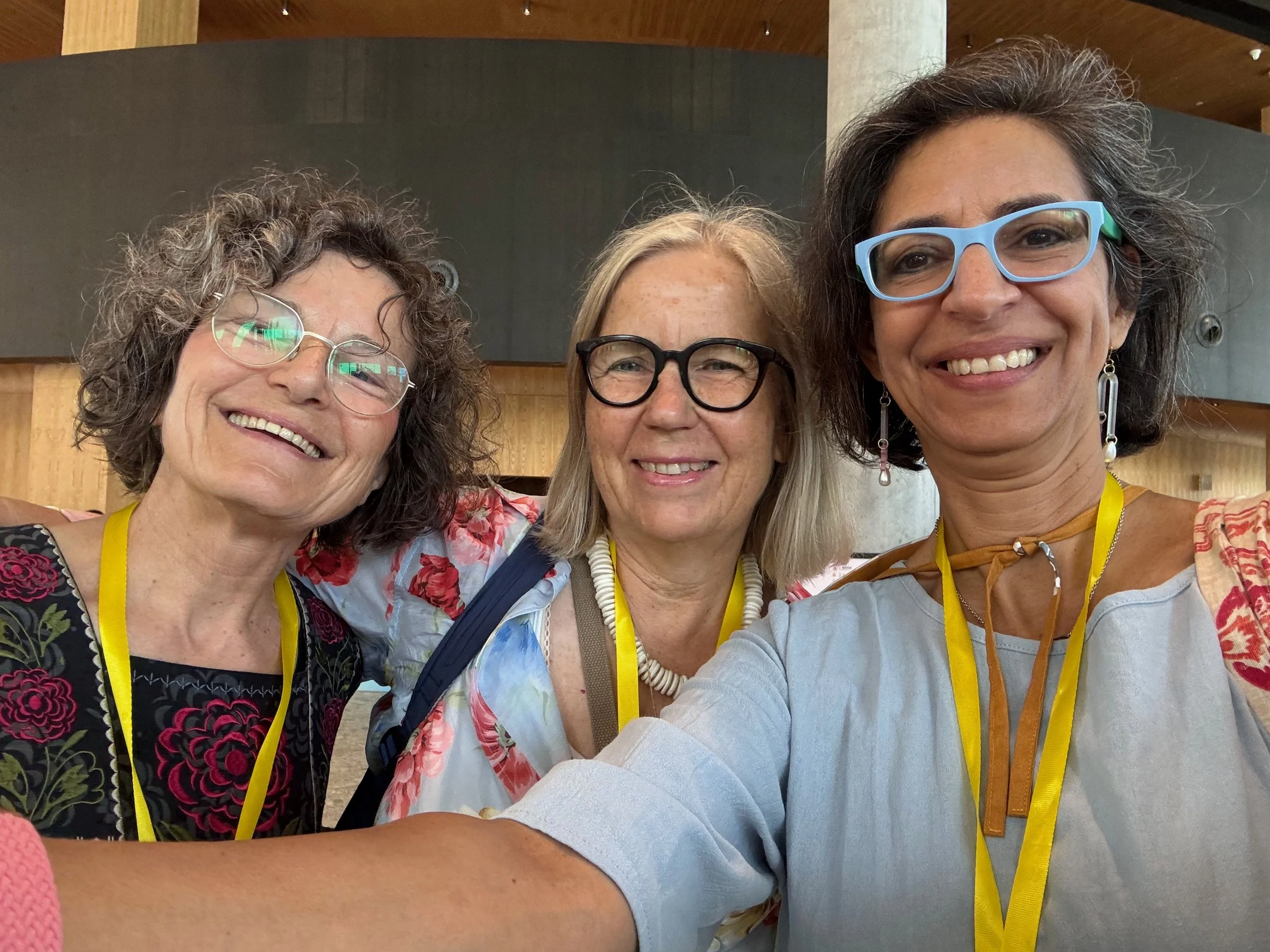
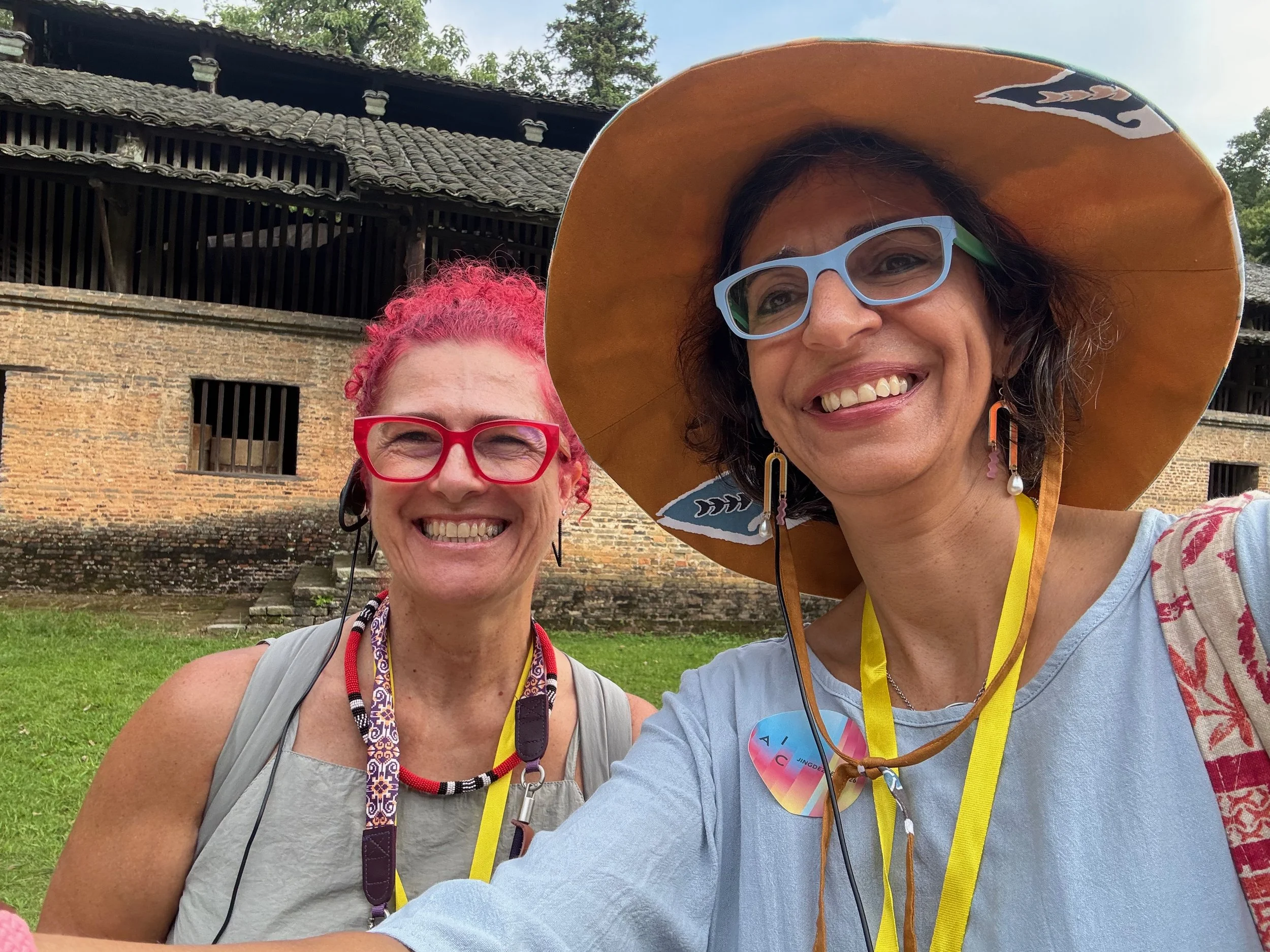
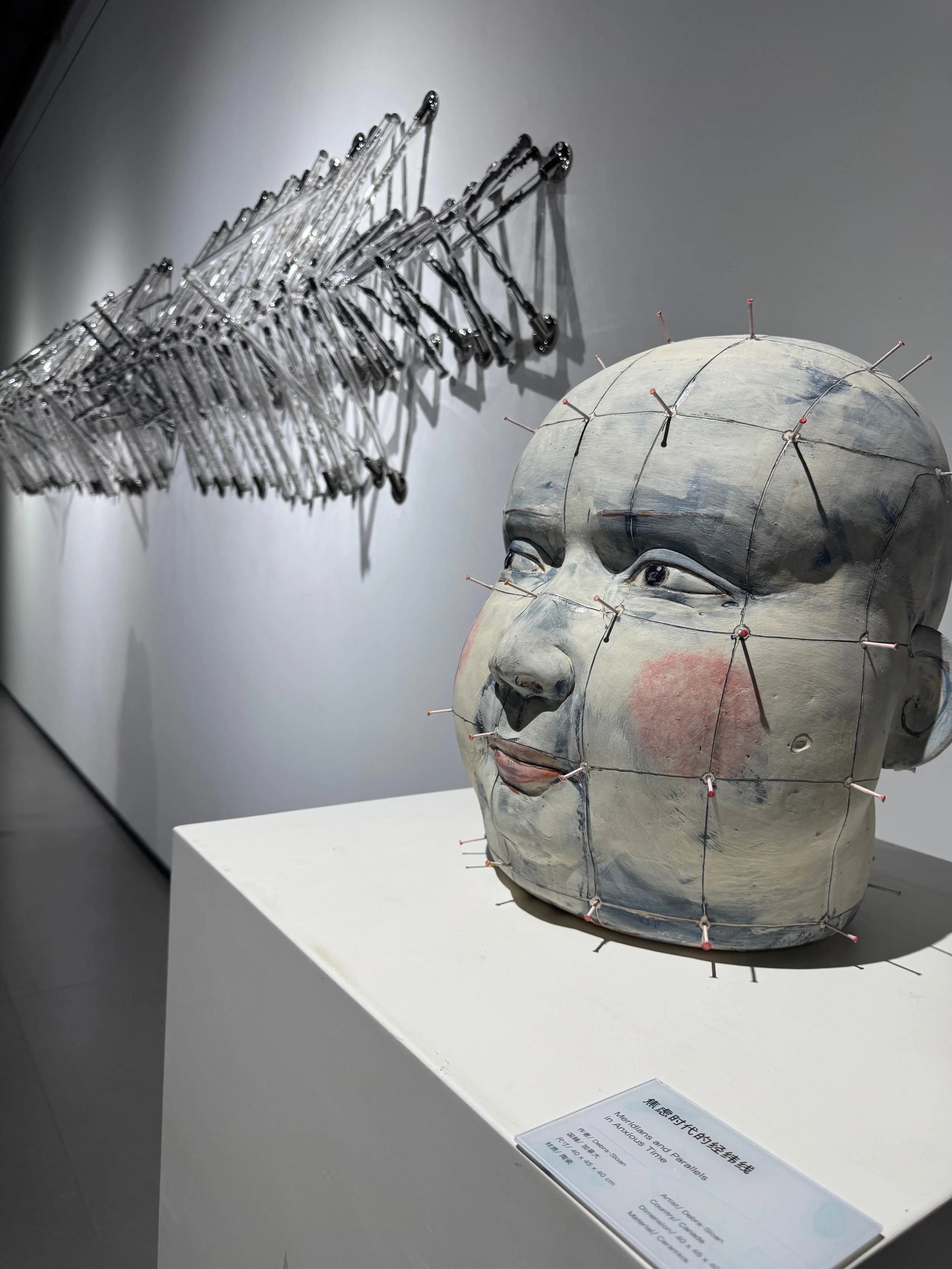
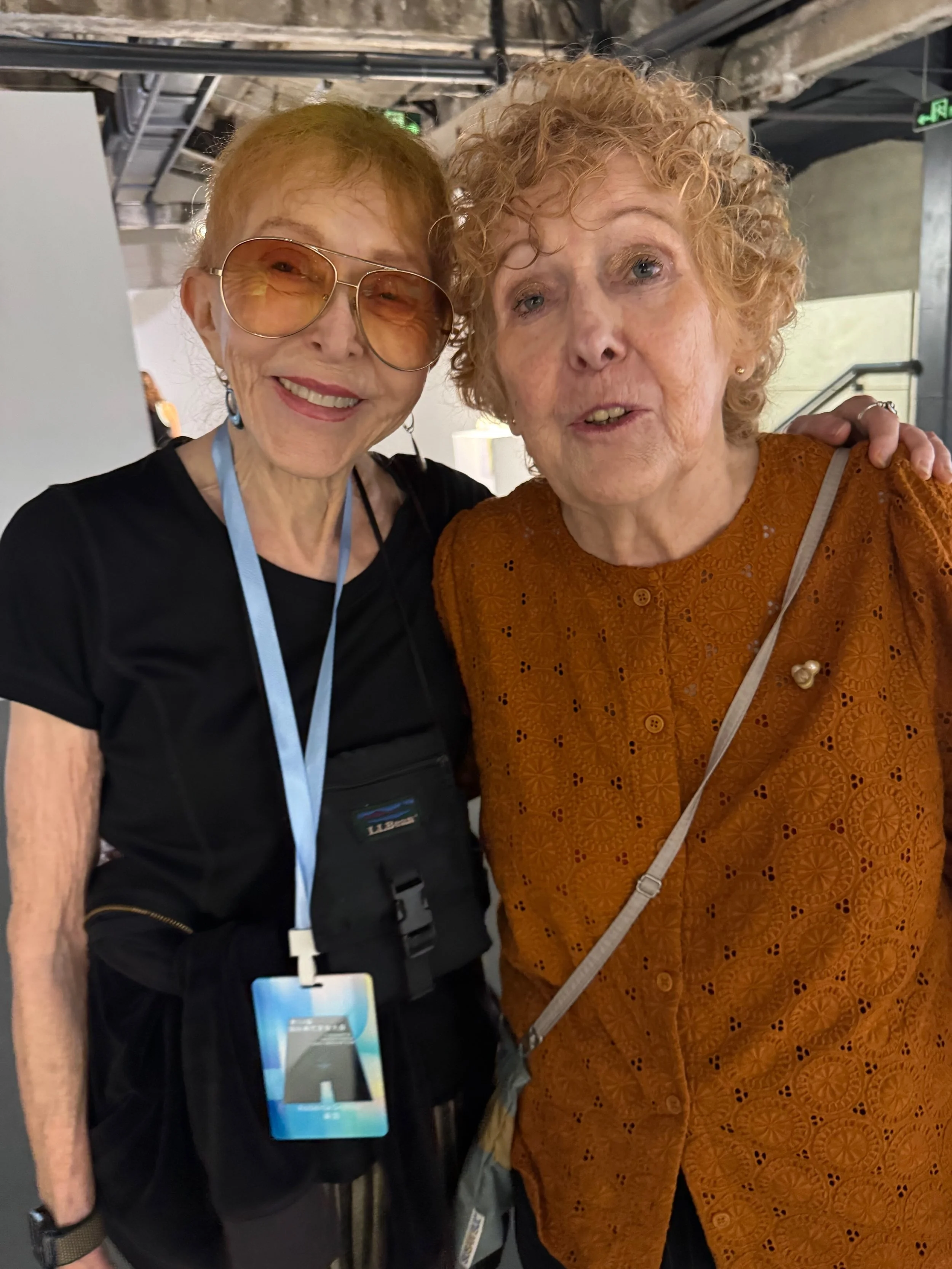
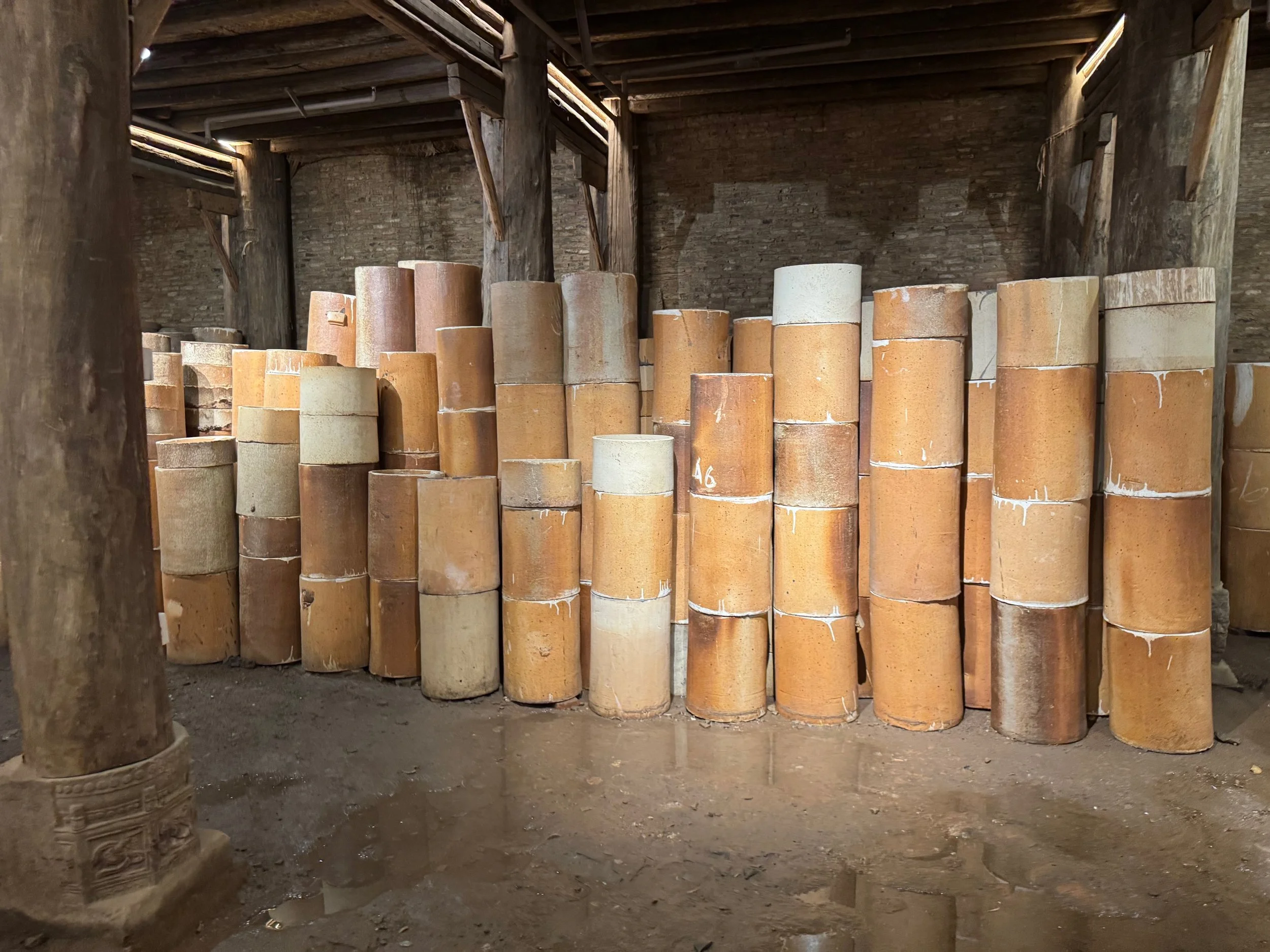
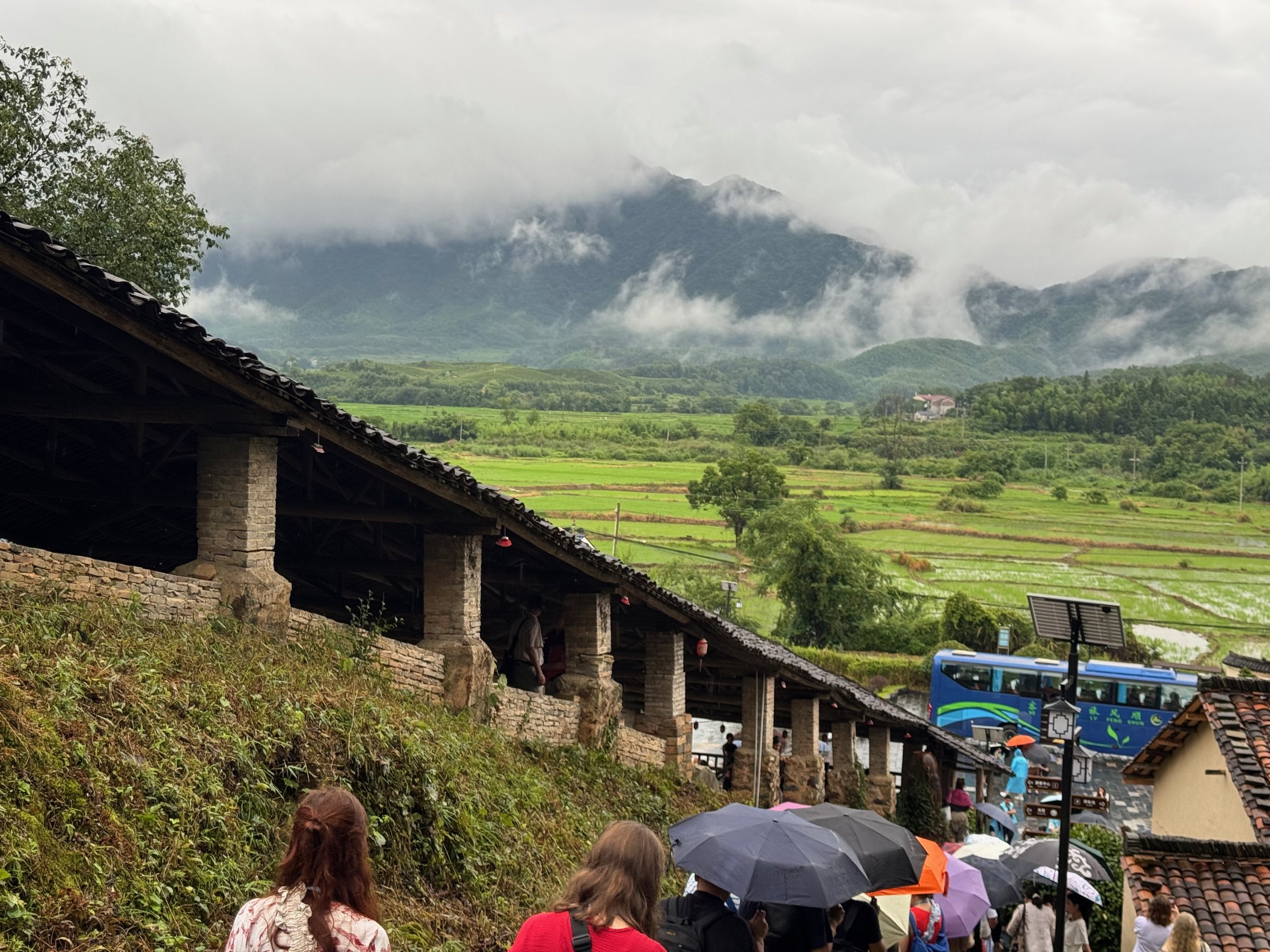
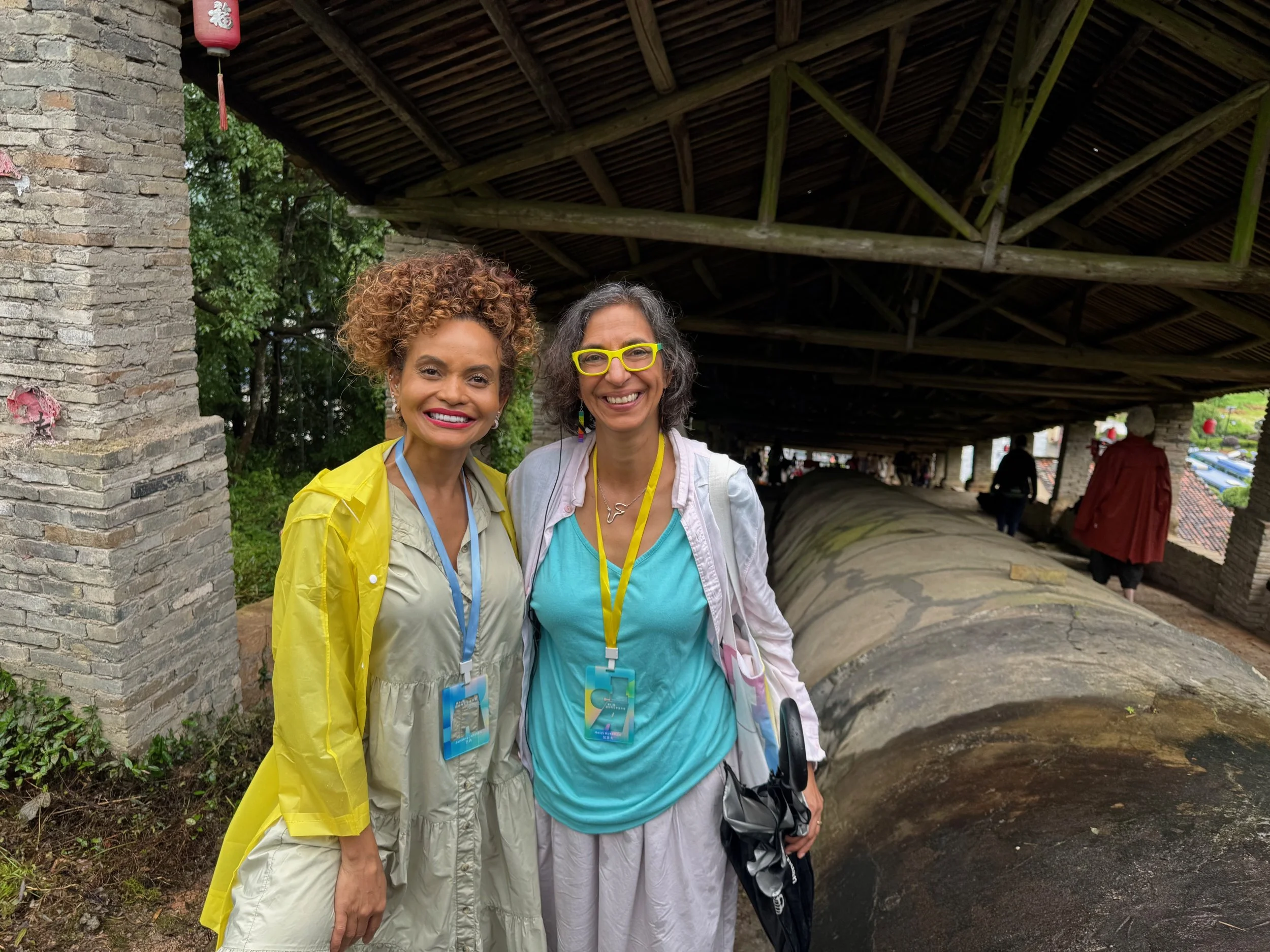
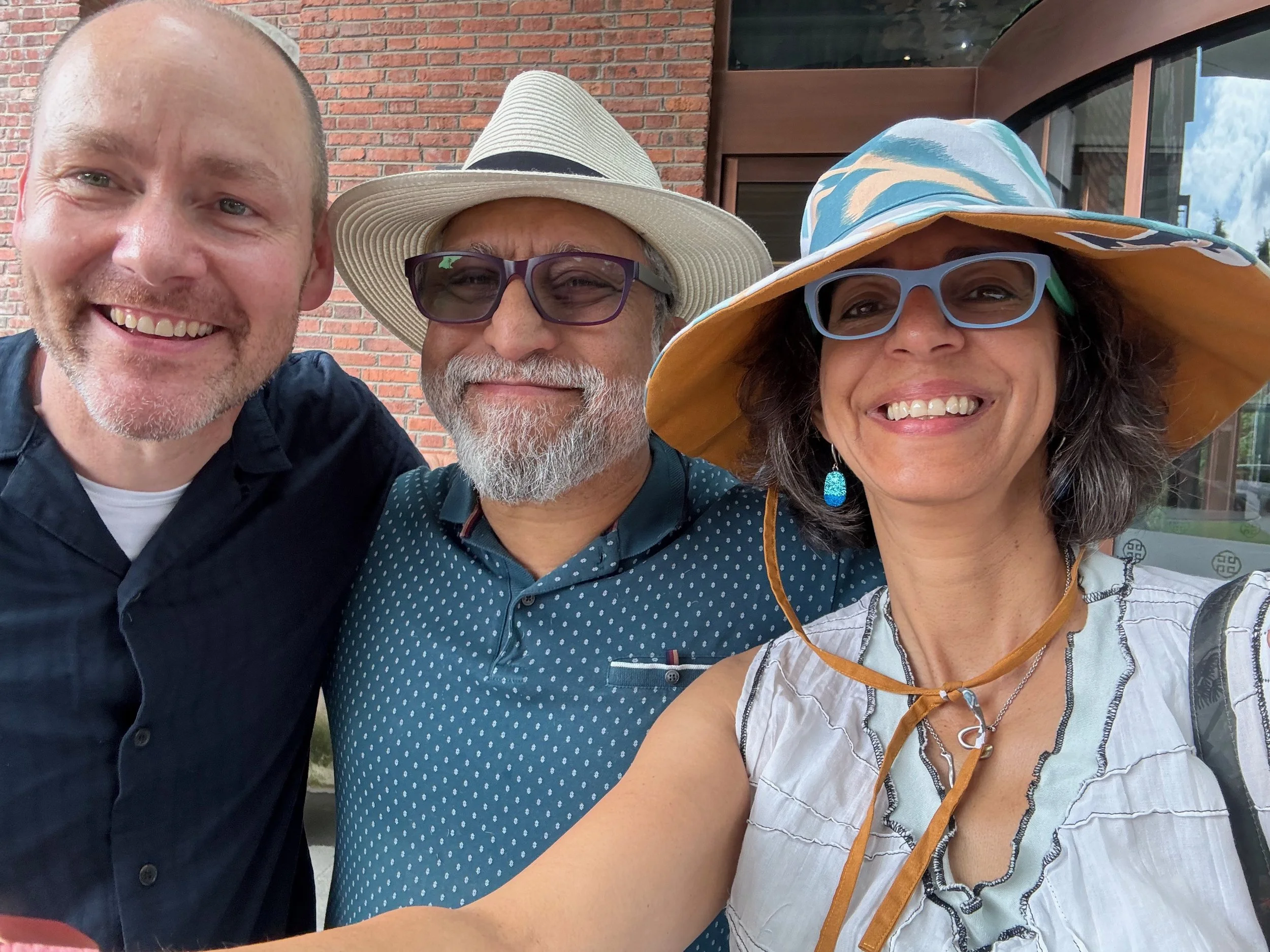
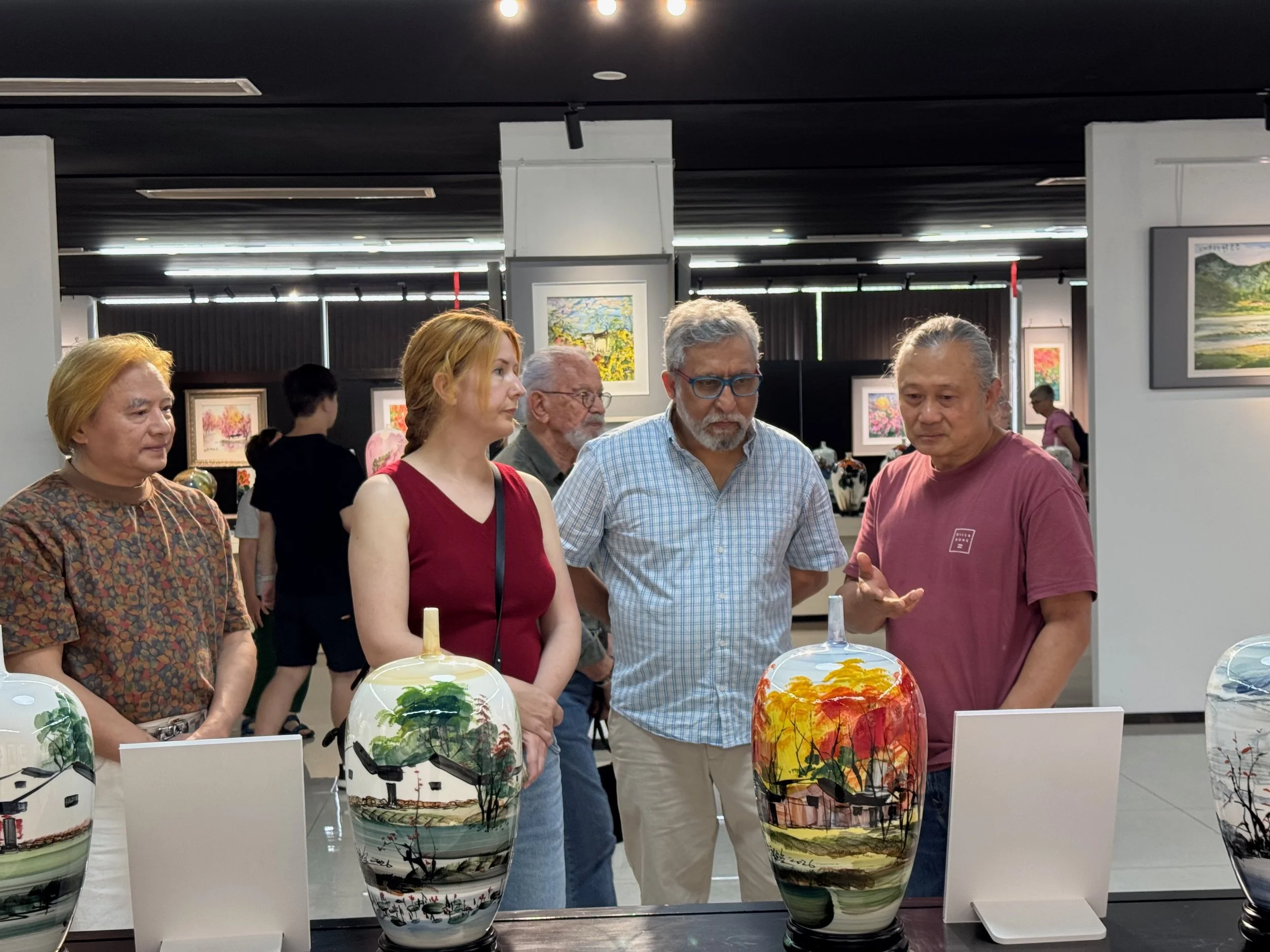
It was my second IAC Congress, the first having been four years ago in Geneva. More than three hundred international delegates filled the city's galleries and the Grand Theatre Conference Centre. I was in my element—reconnecting with old friends and meeting so many new people. Still, there were people I knew were there whom I never managed to run into. We were bussed around to the Imperial Kiln, the world's longest dragon kiln, the world's largest wood kiln, and the Jingdezhen International Ceramics Biennale. Of the eighty sculptures at the Biennale (207 works in total), the majority were by Chinese artists, and the vast majority were abstract installation works. The absence of the figurative was striking—perhaps only two or three works, one of which, I'm chuffed to say, was by my friend and fellow Canadian, Debra Sloan. For me, the highlight is always the people. The art is insane, and I will feast on it for months, if not years, to come.
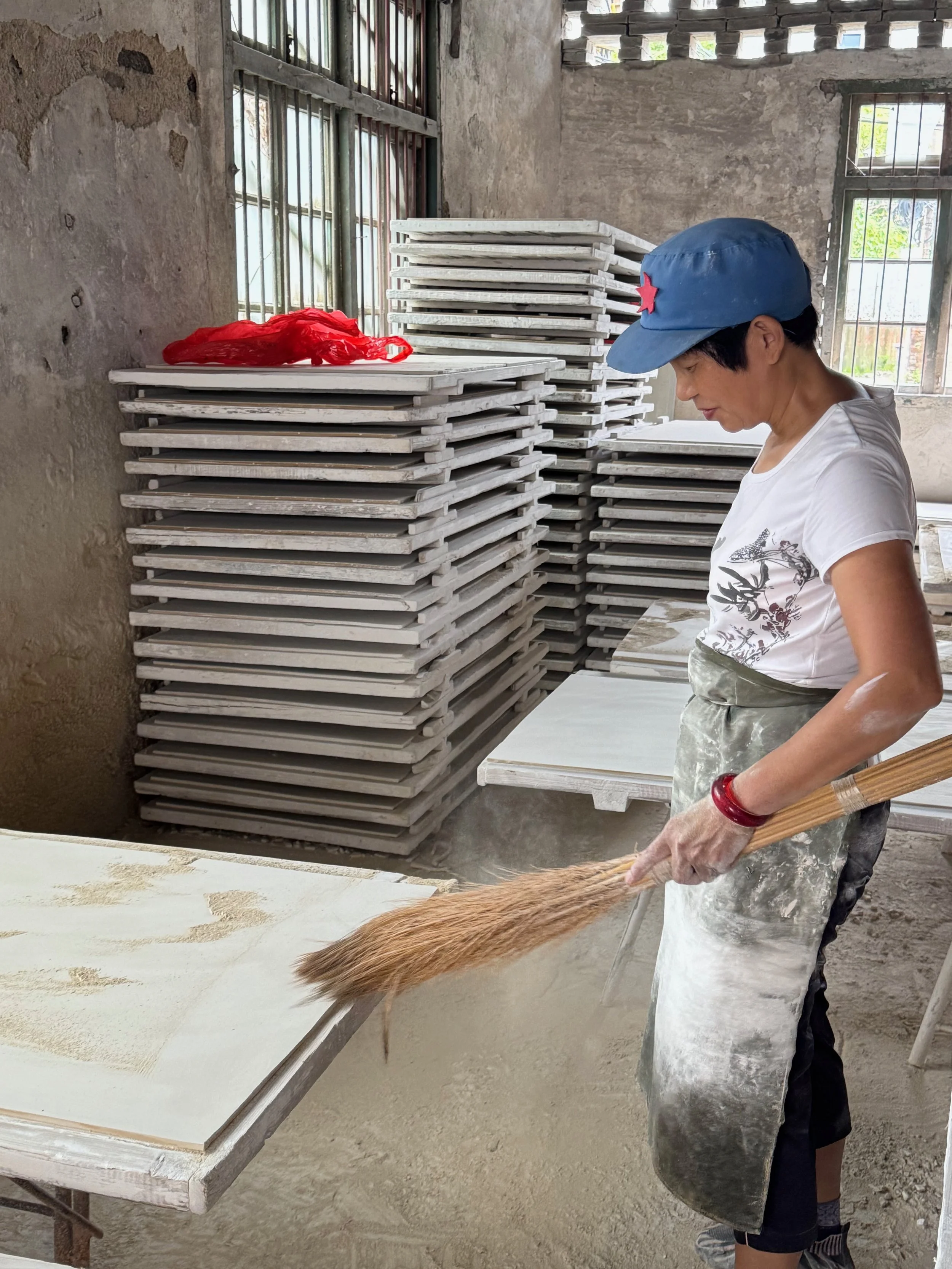
Visiting the “tile factory” neighbourhood in Jingdezhen
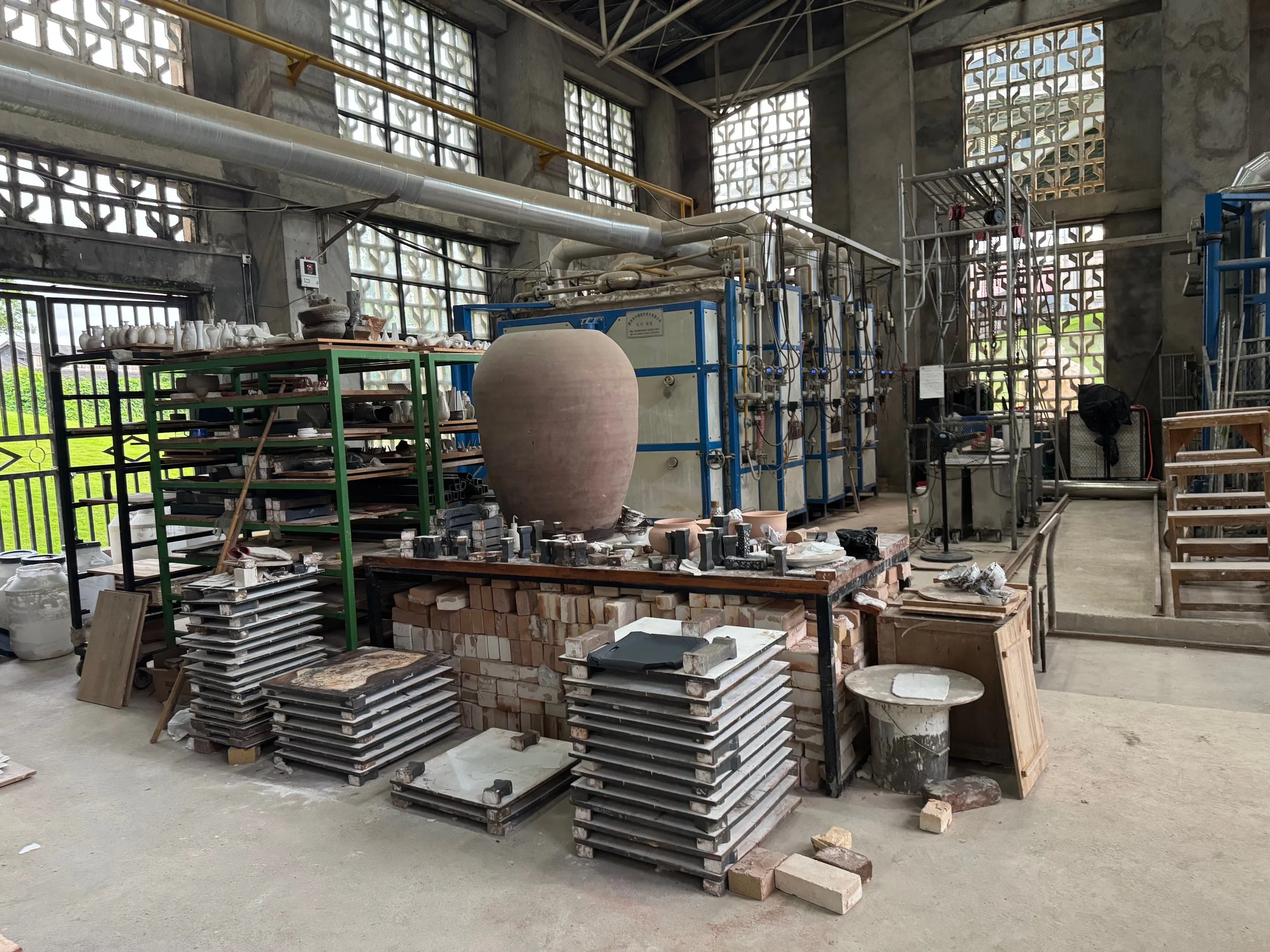
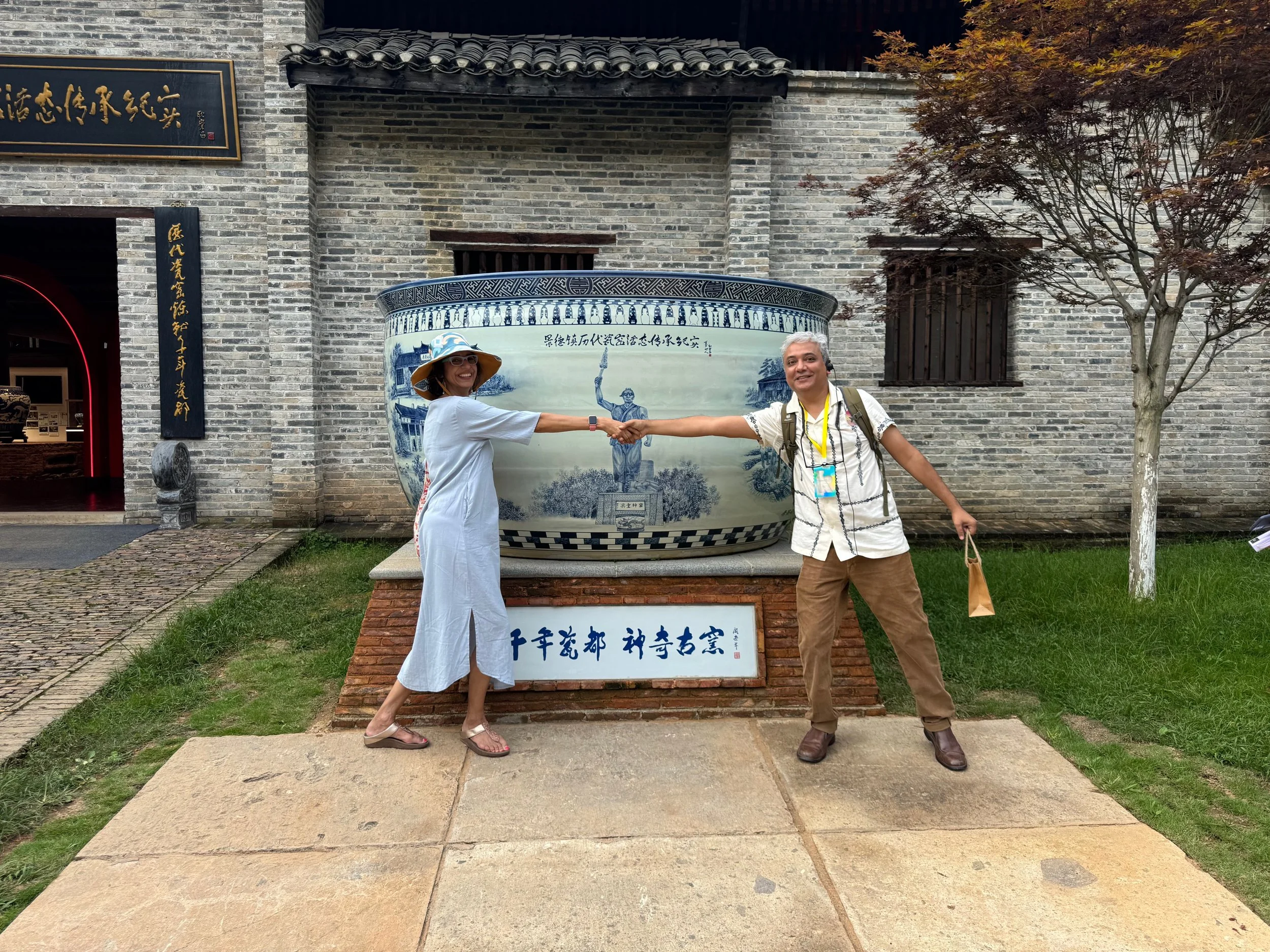
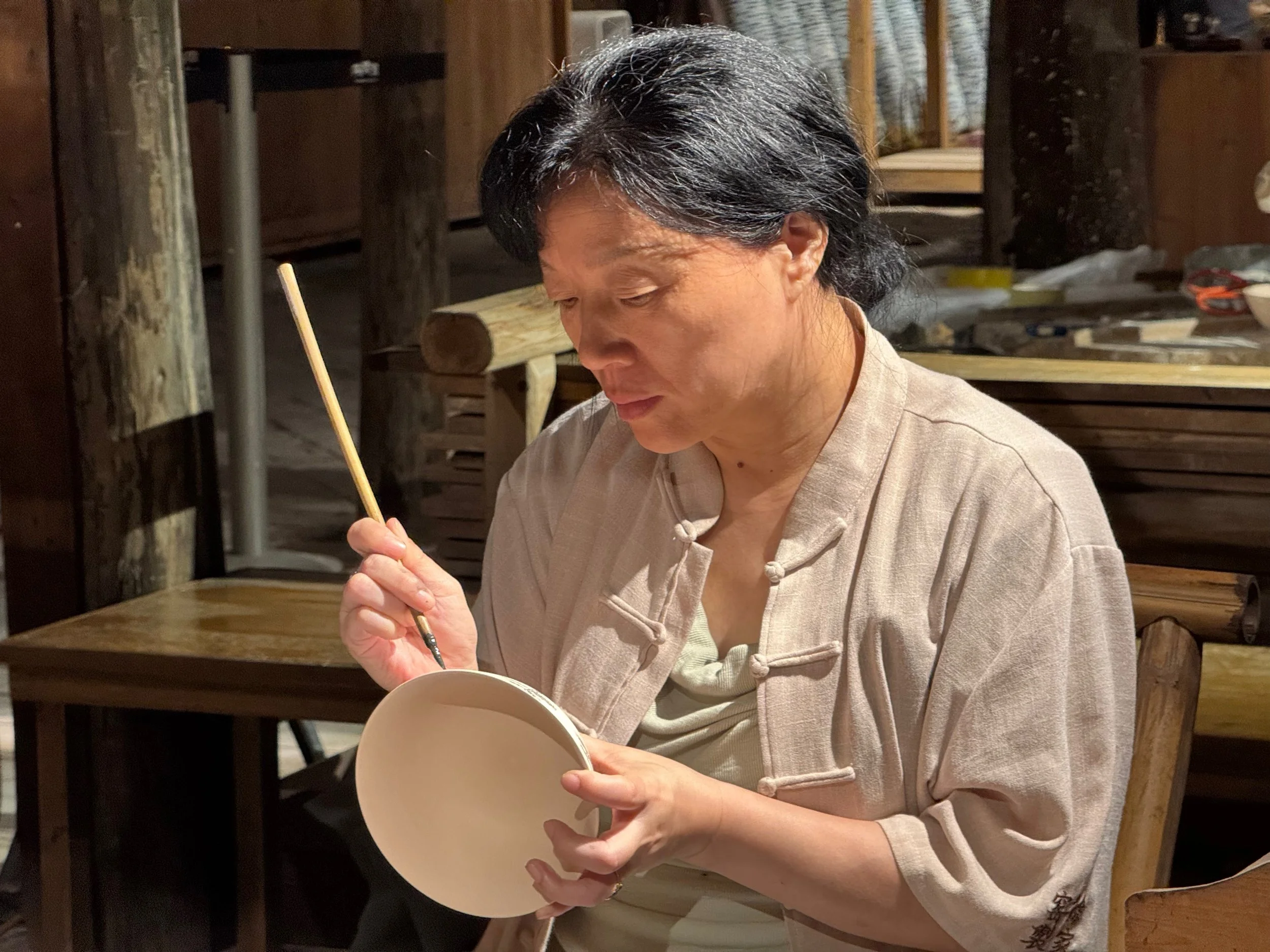
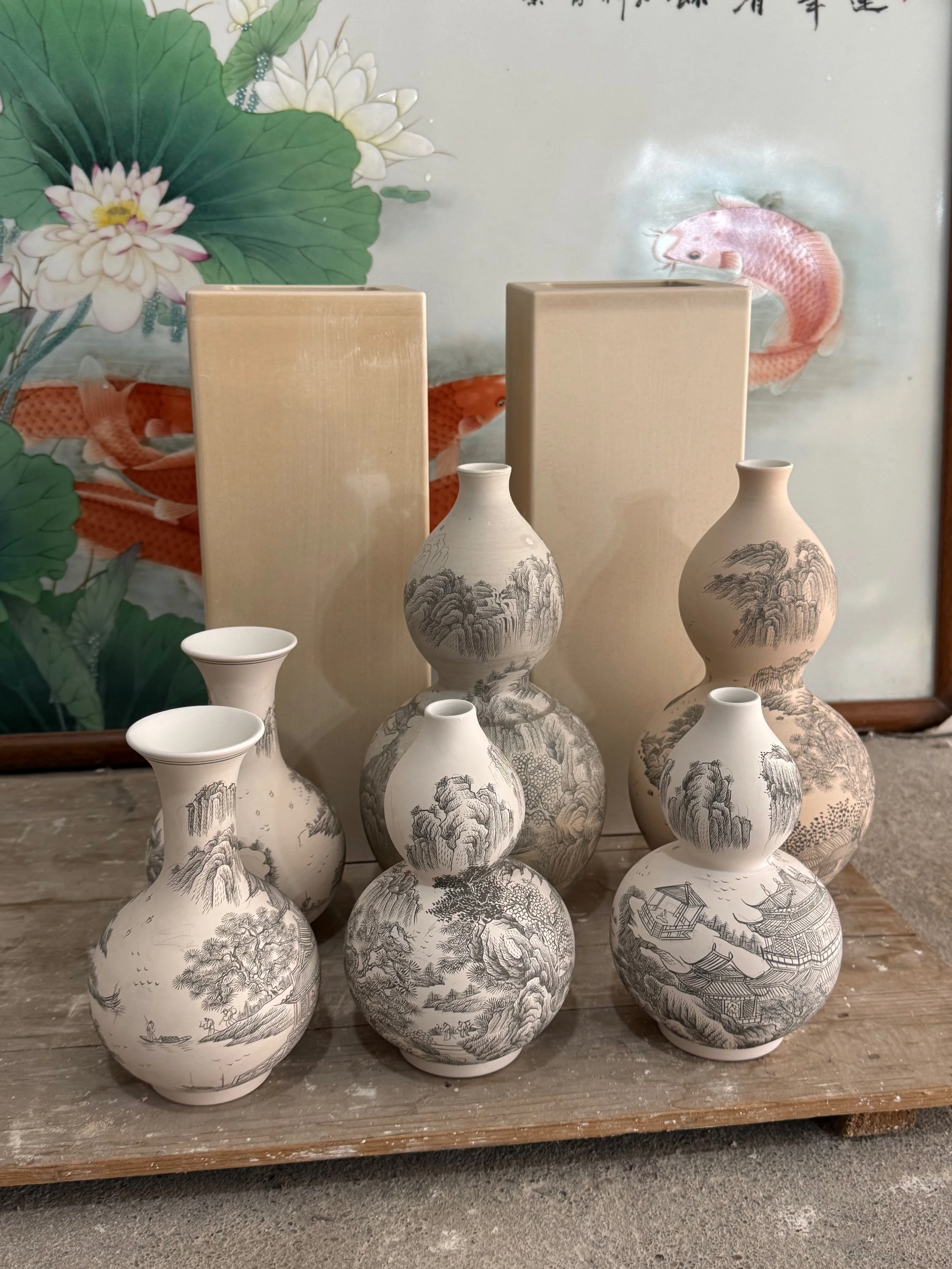
The day after the congress, Ali and I dashed off to the "tile factory," which is really an amorphous neighbourhood filled with artisans and craftspeople who make, dry, fire, design, and paint those mammoth porcelain tiles—you know the ones—many depicting what seem like fairy-tale mountains. Only I know they are real, because I saw them thirteen years ago at Three Sisters Mountain near JDZ, and then again yesterday at Huashan. This was the one part of the “Sculpture Factory” that comprises JDZ that I wanted to show Ali —where nearly 80% of its two million residents earn their livelihood through ceramics—it was tile making.
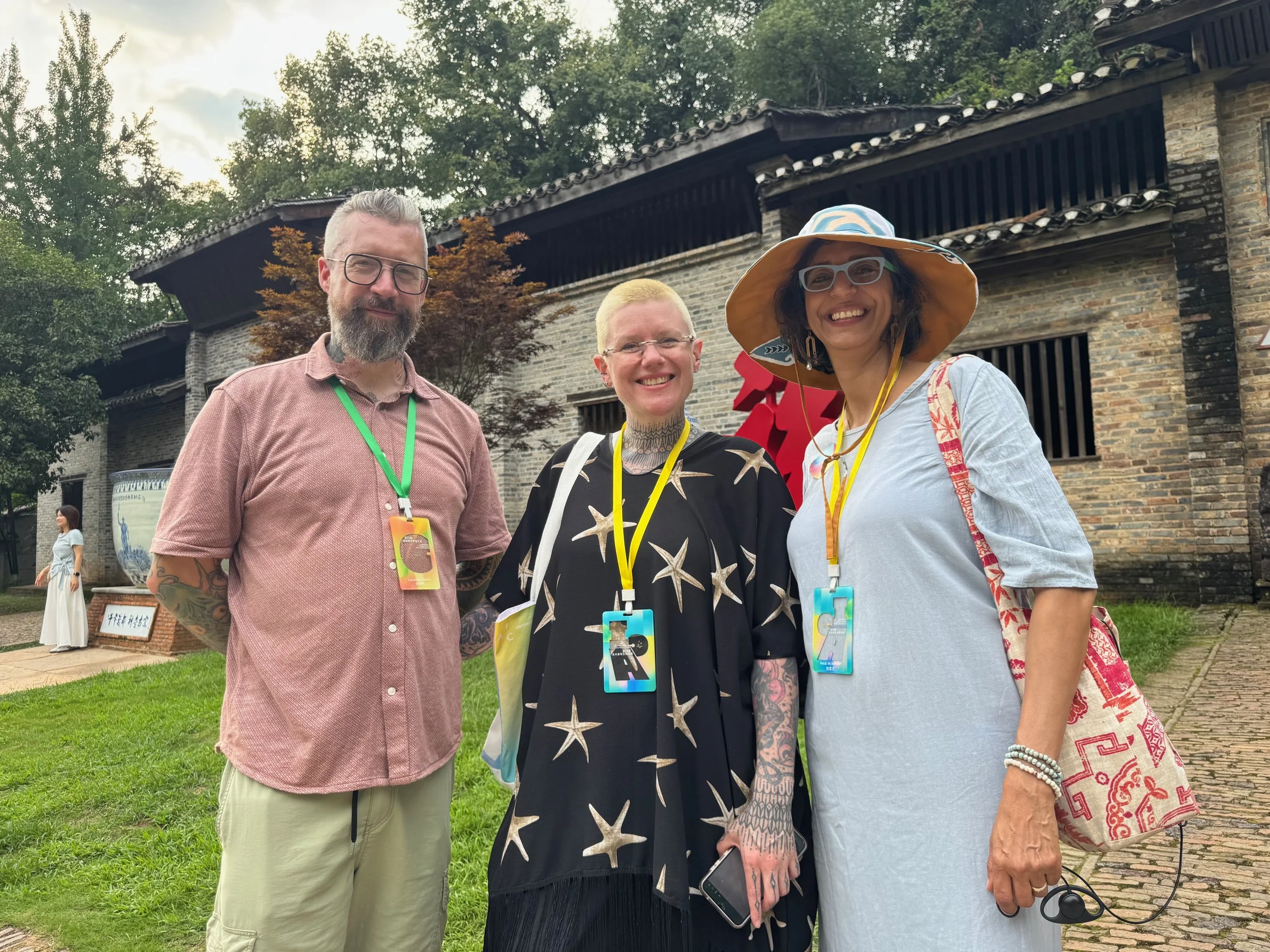
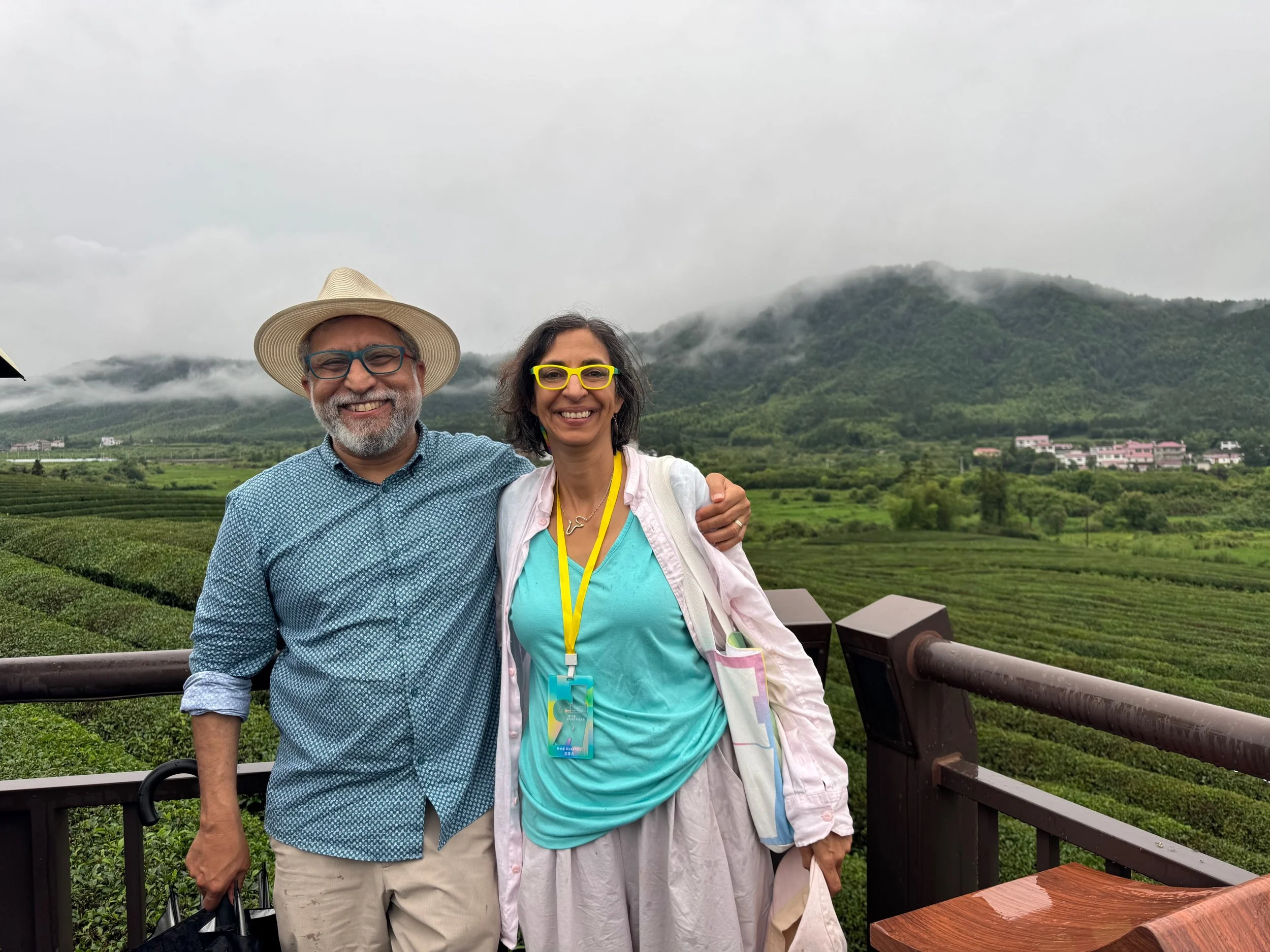
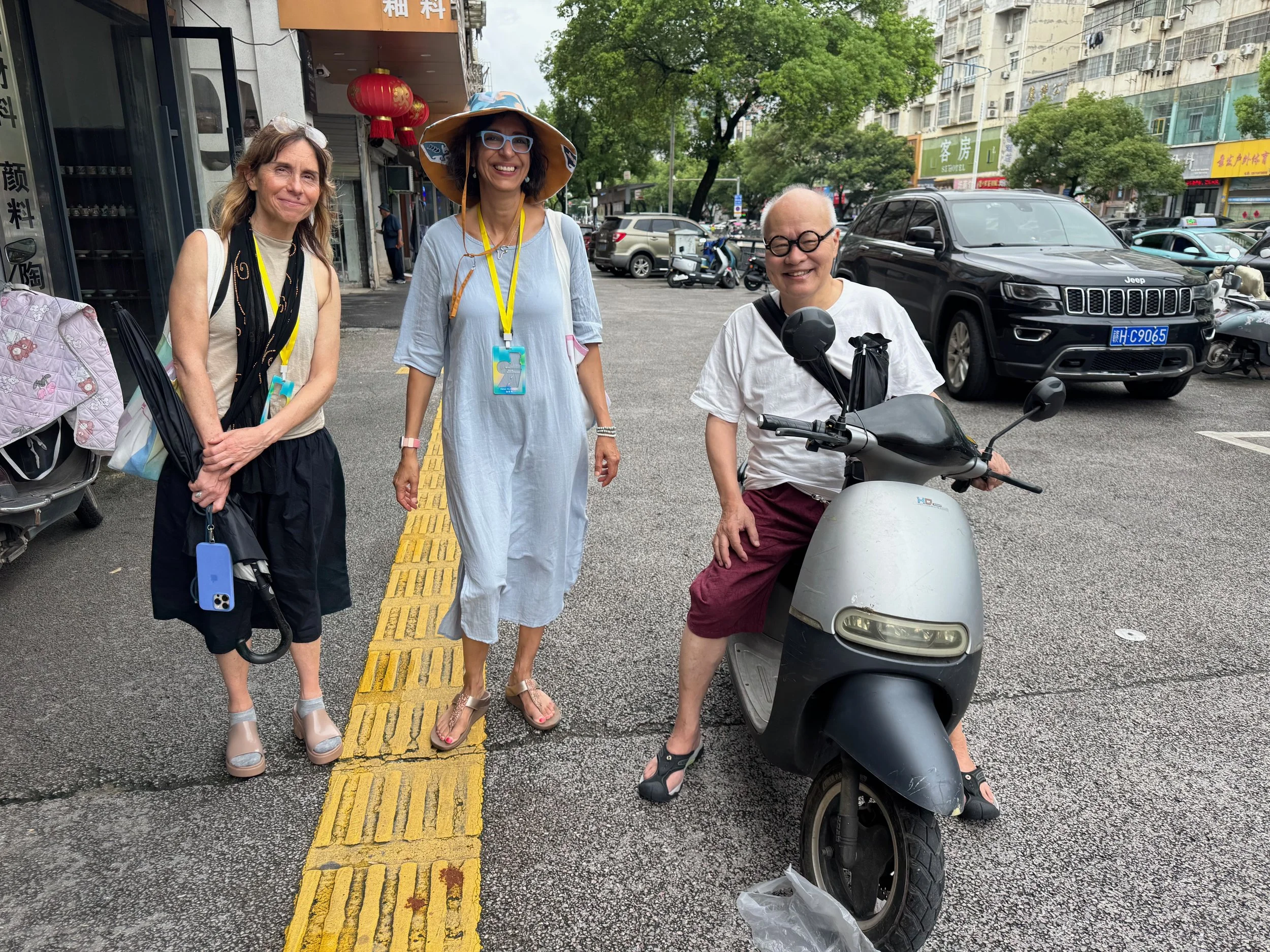
We joined about a dozen delegates for our post-congress tour to explore more of JDZ, Shanghai, and Yixing. The group was diverse and warm. Within a day, it felt like I was discovering parts of China and its ceramic traditions with an adopted extended family from Turkey, Singapore, Serbia, Israel, and the US. We seemed to spend a great deal of time eating around large round tables with oversized Lazy Susans. The quantity of food was impressive, although at times excessive. Alvin, our Singaporean delegate, proved invaluable as a translator of the seemingly endless parade of culinary extravagance. He also shared many hidden details of Chinese culture with us, including the explanation that meals have long been taken so seriously because, during centuries of warfare, one never knew when the next meal might come.
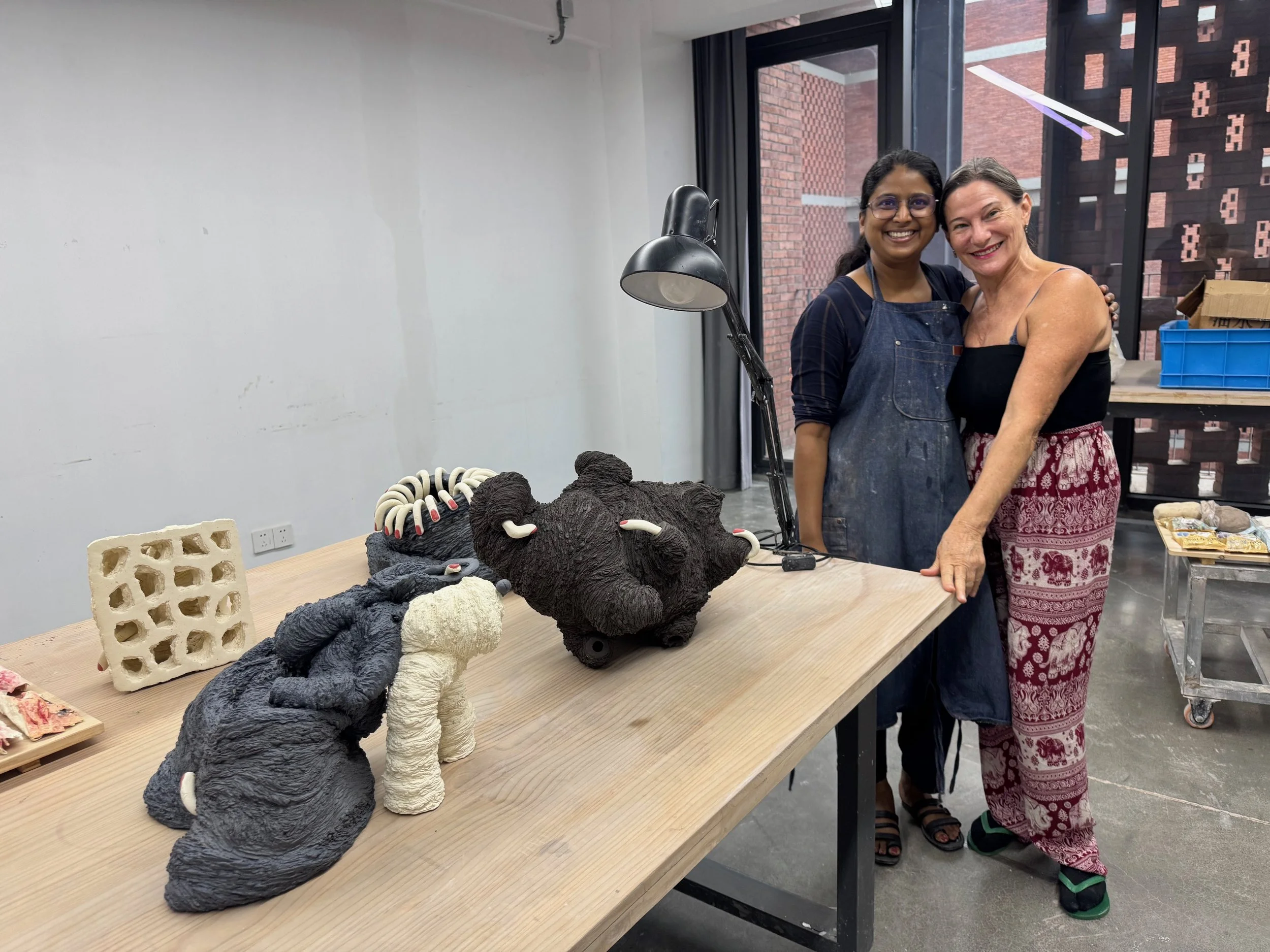
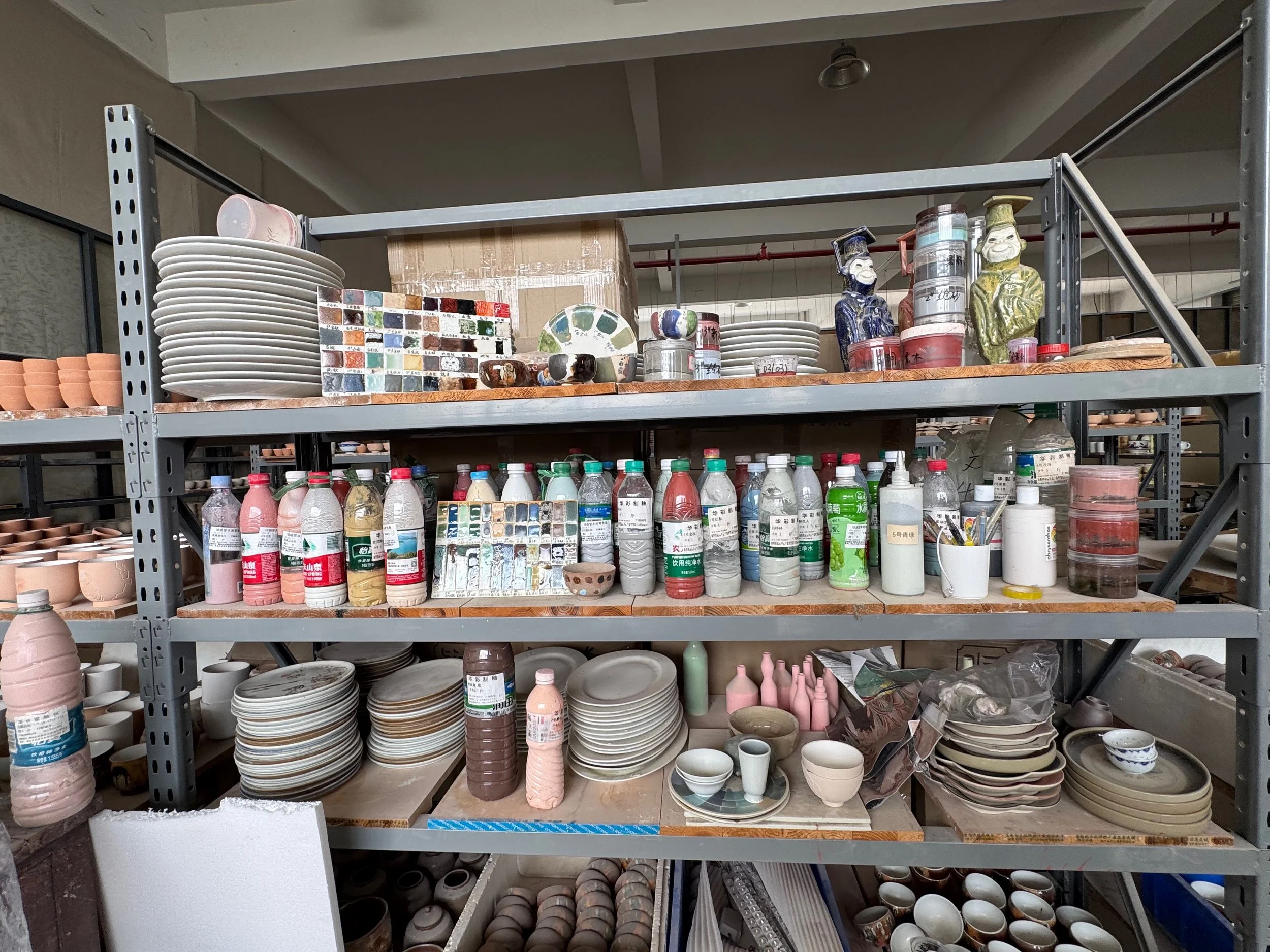
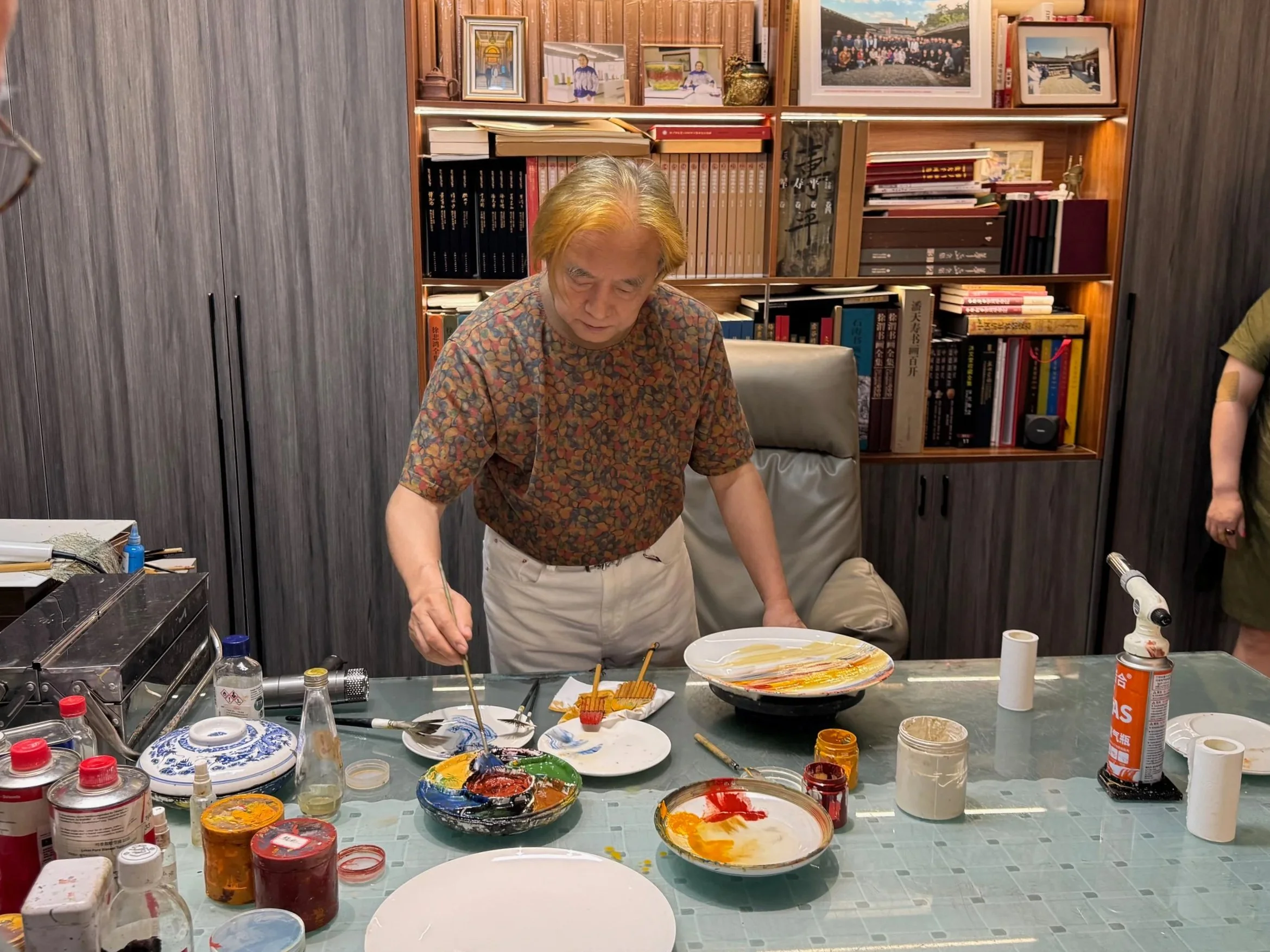
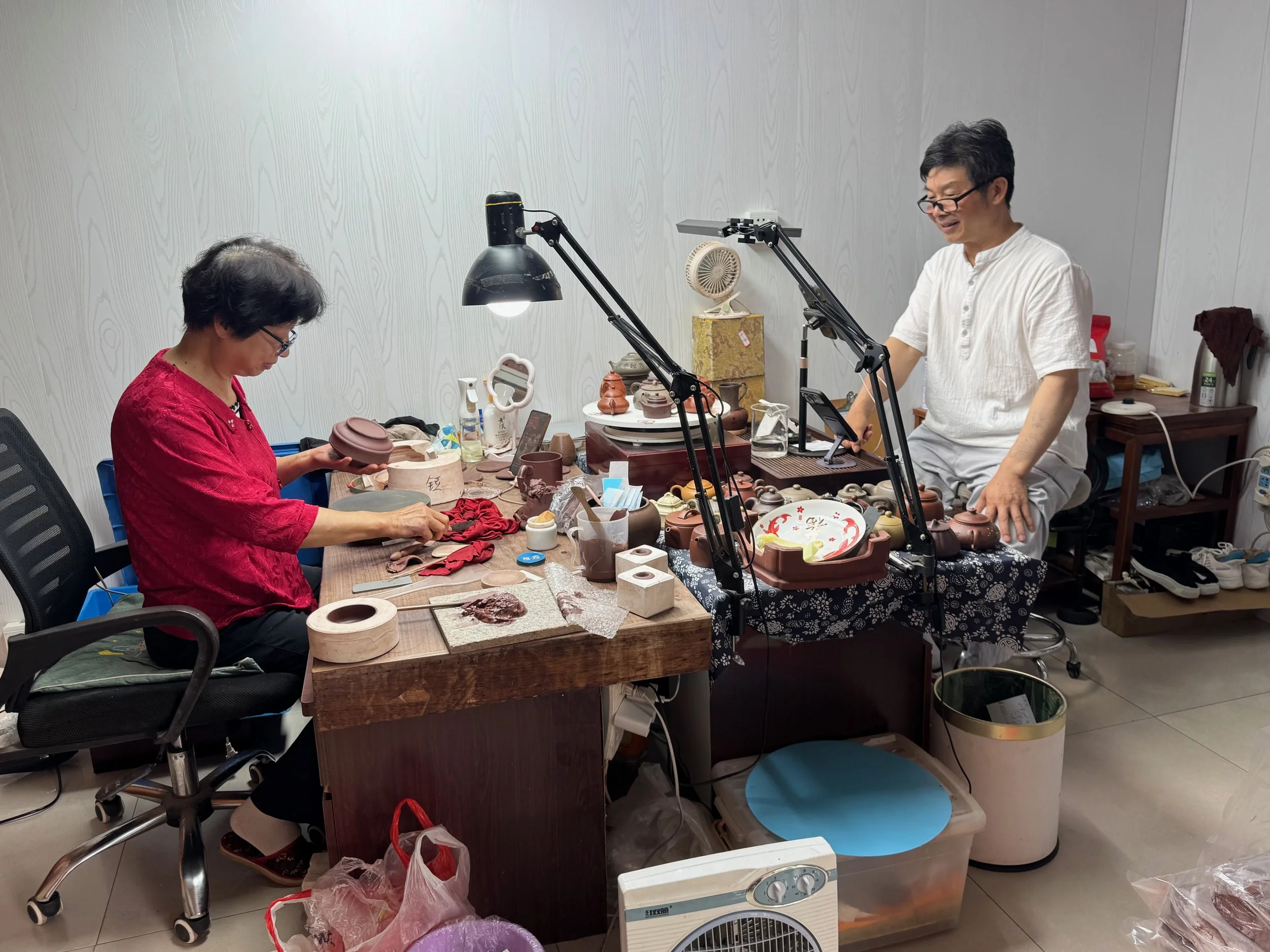
Studio visit, post congress tour. To see some of the art, please check out my Instagram stories and Facebook posts over the next few days.
We also visited the new big pot factory and the contemporary overglaze production area, both operating under the creative direction of a single designer.
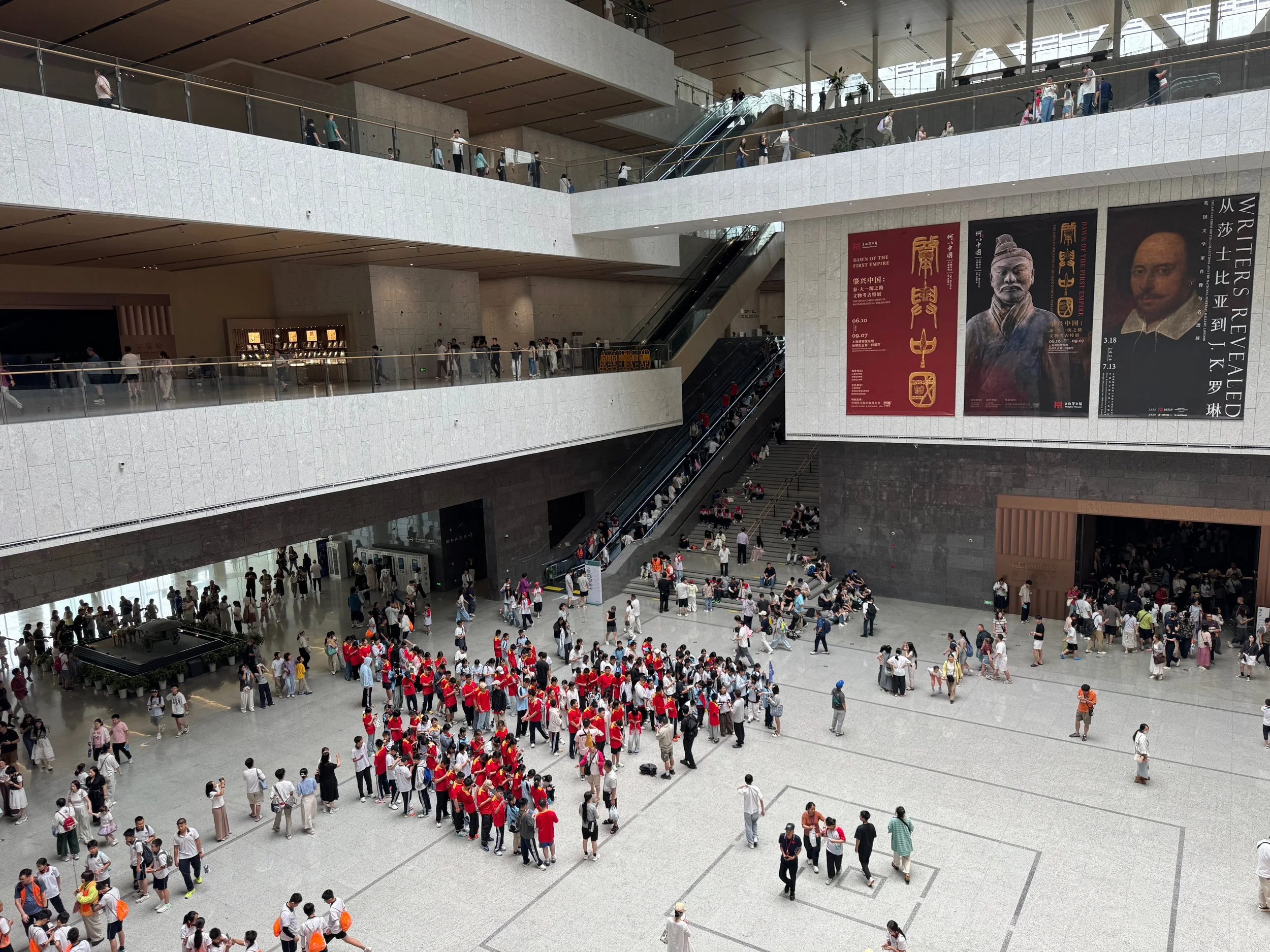
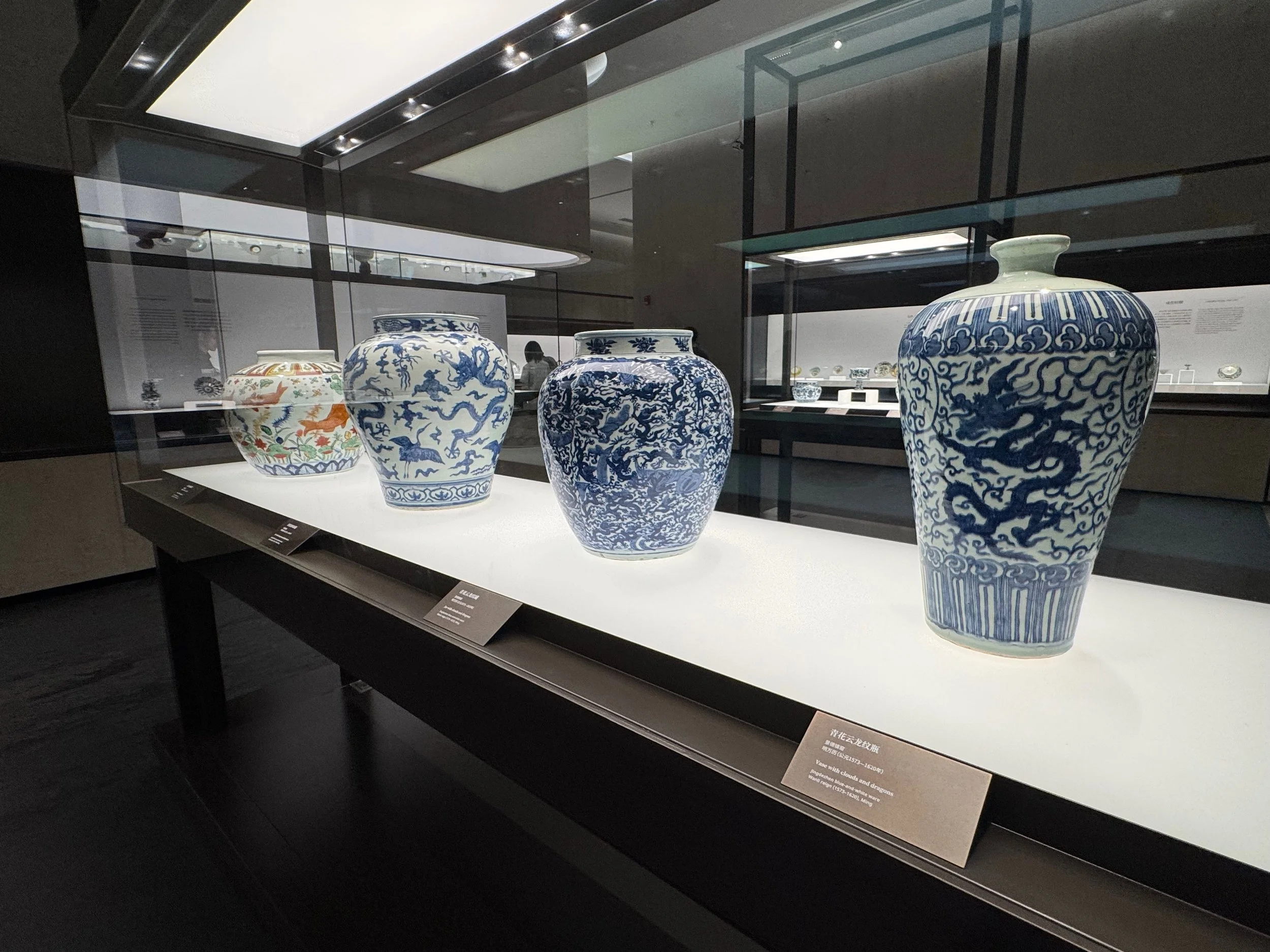
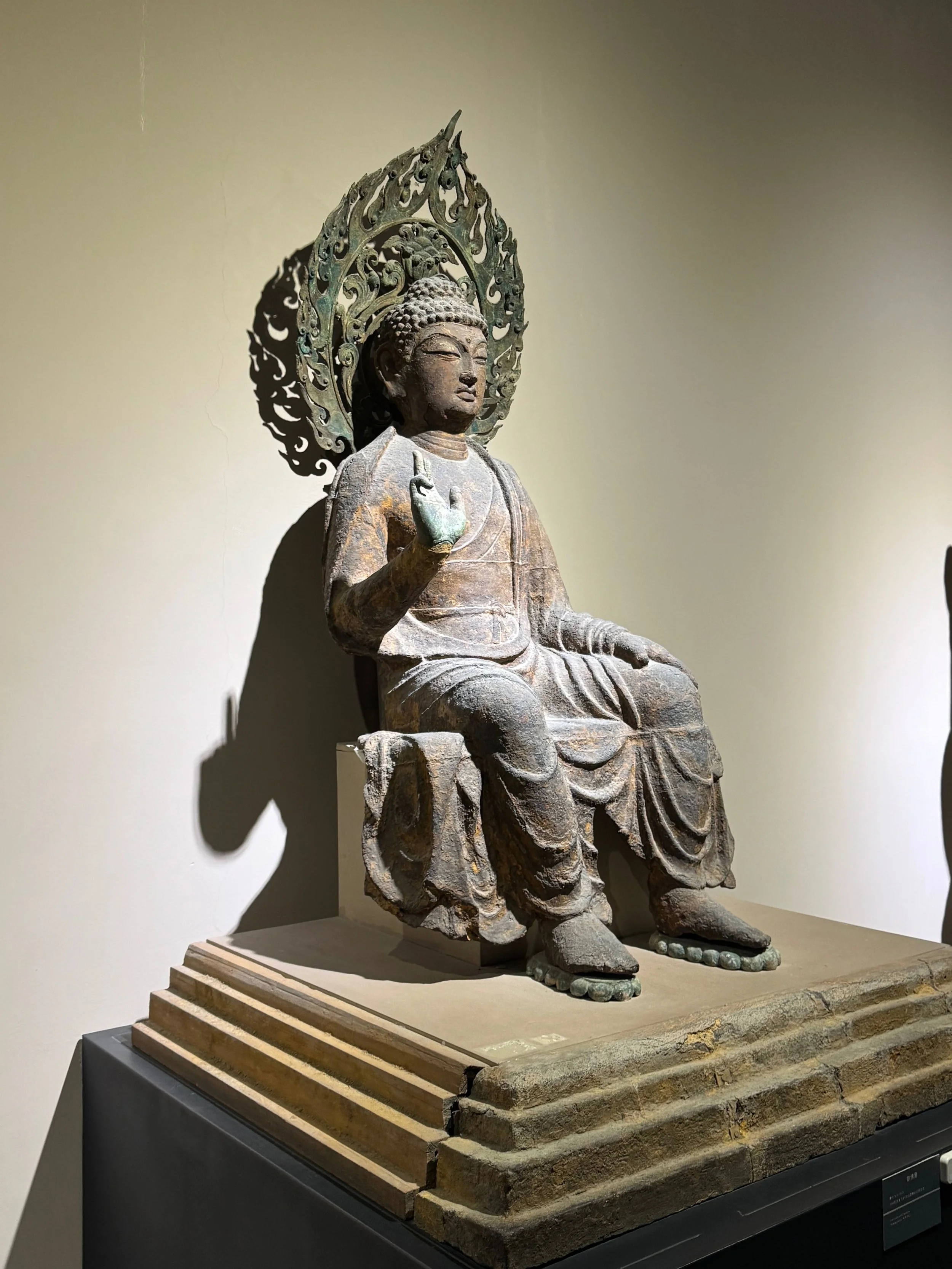
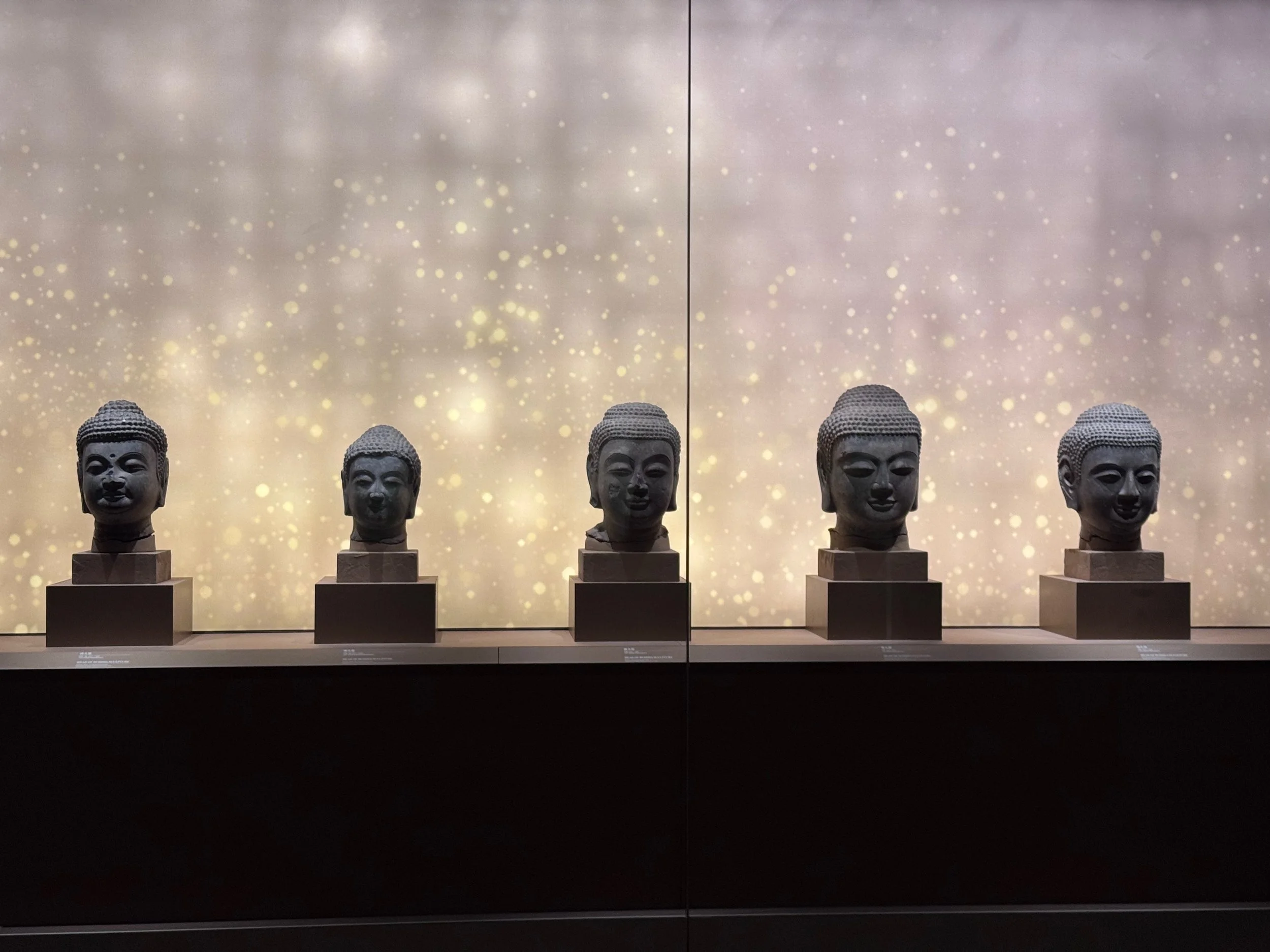
The "new" Shanghai Museum is a feat of architecture, engineering, and exhibition design. The two and a half hours we had there were only enough to whet our appetites for more. I can only let the images speak for themselves.
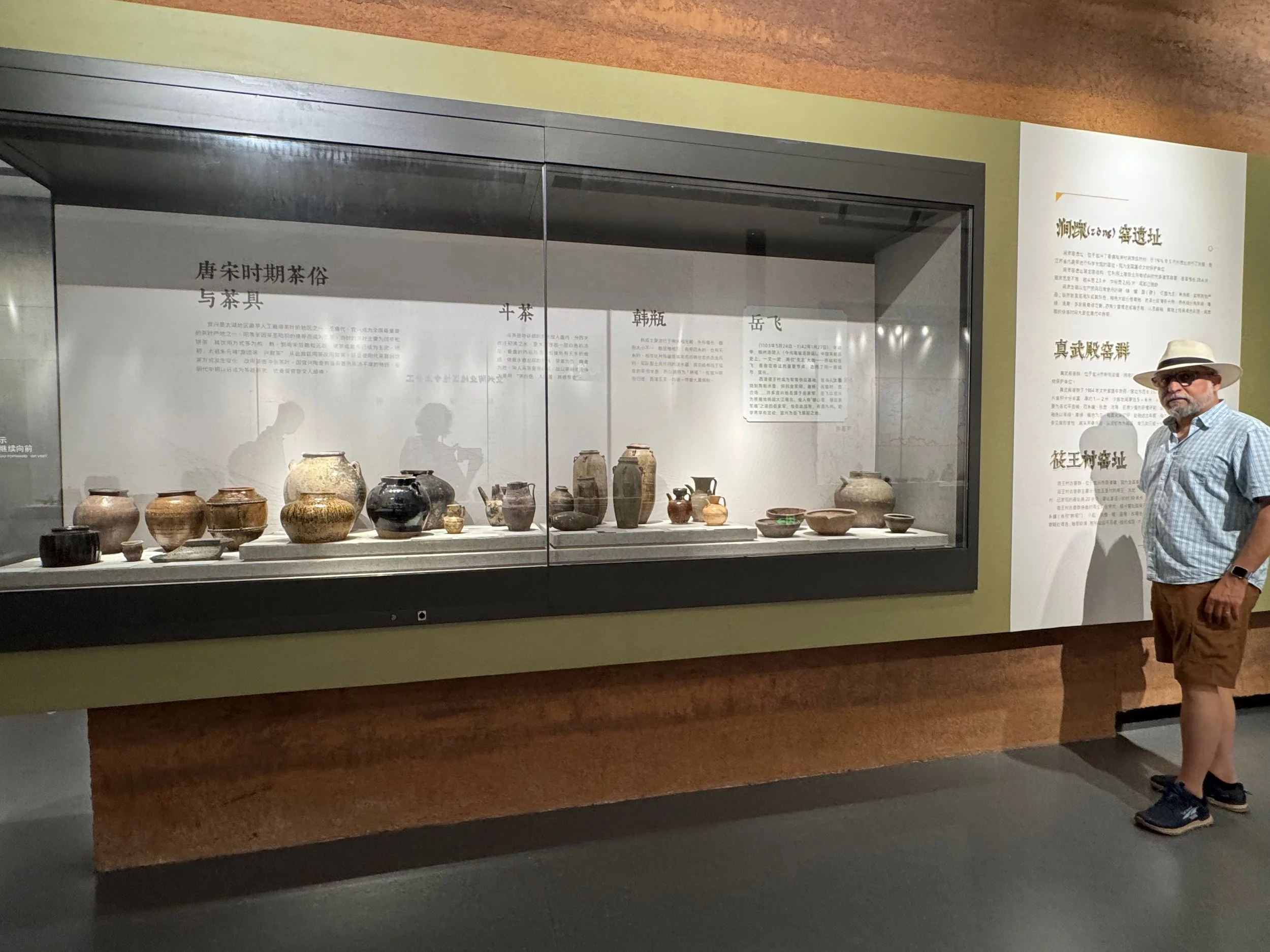
Yixing is a delight. It is just the right size, and it is difficult to comprehend the extraordinary pride of craftsmanship that ranges from the mastery of imitation and repetition to bold and innovative adaptation. We were determined not to purchase a teapot—we simply do not need more things in our lives. And yet Ali took the first plunge, and we became the owners of an exquisite three-"baggy pants" ewer with horse-like anthropomorphism. It is tucked safely inside the handmade bamboo purse that I treated myself to in Longquan, alongside the jade pendant. A turquoise cat's-eye jade bangle now graces my left wrist. These are "things" we don't need, and yet we find joy in their beauty. Somehow beauty elevates us in these dark times.
I also splurged on tools. I look toward the future and the infinity of possibilities as I enter a new era of exploration in my career, using documentary material as the foundation of my indentureship installation series.
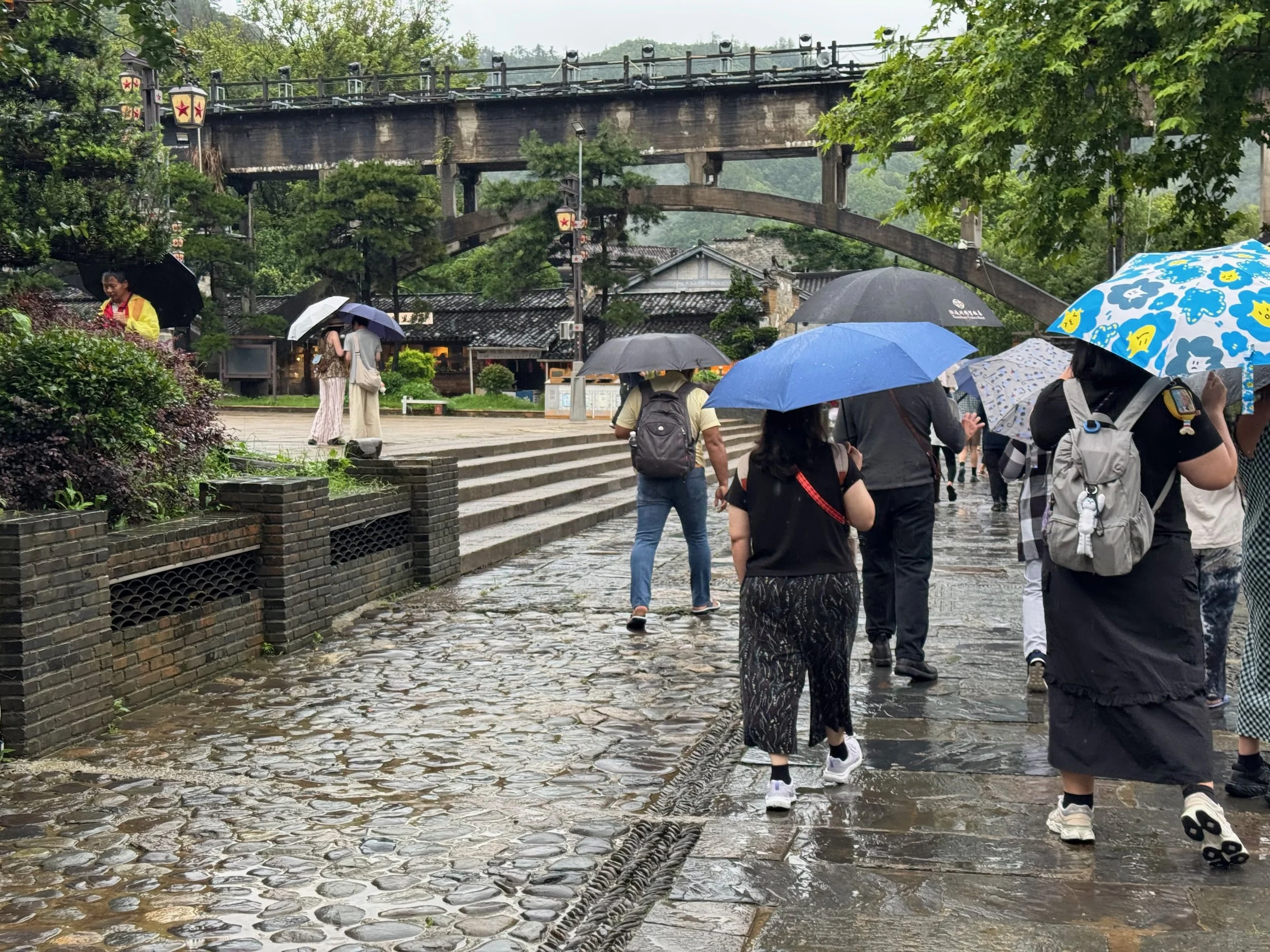
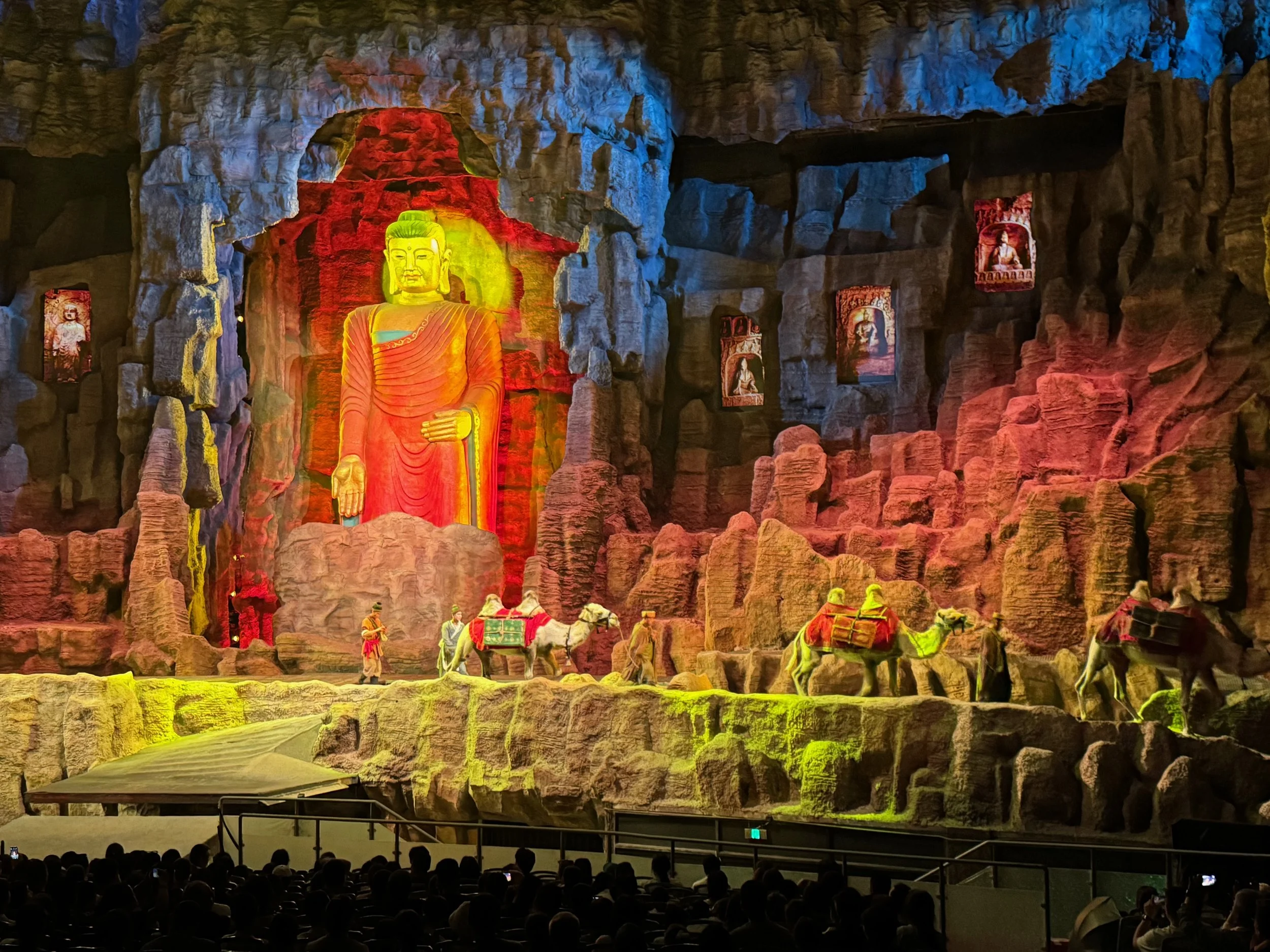
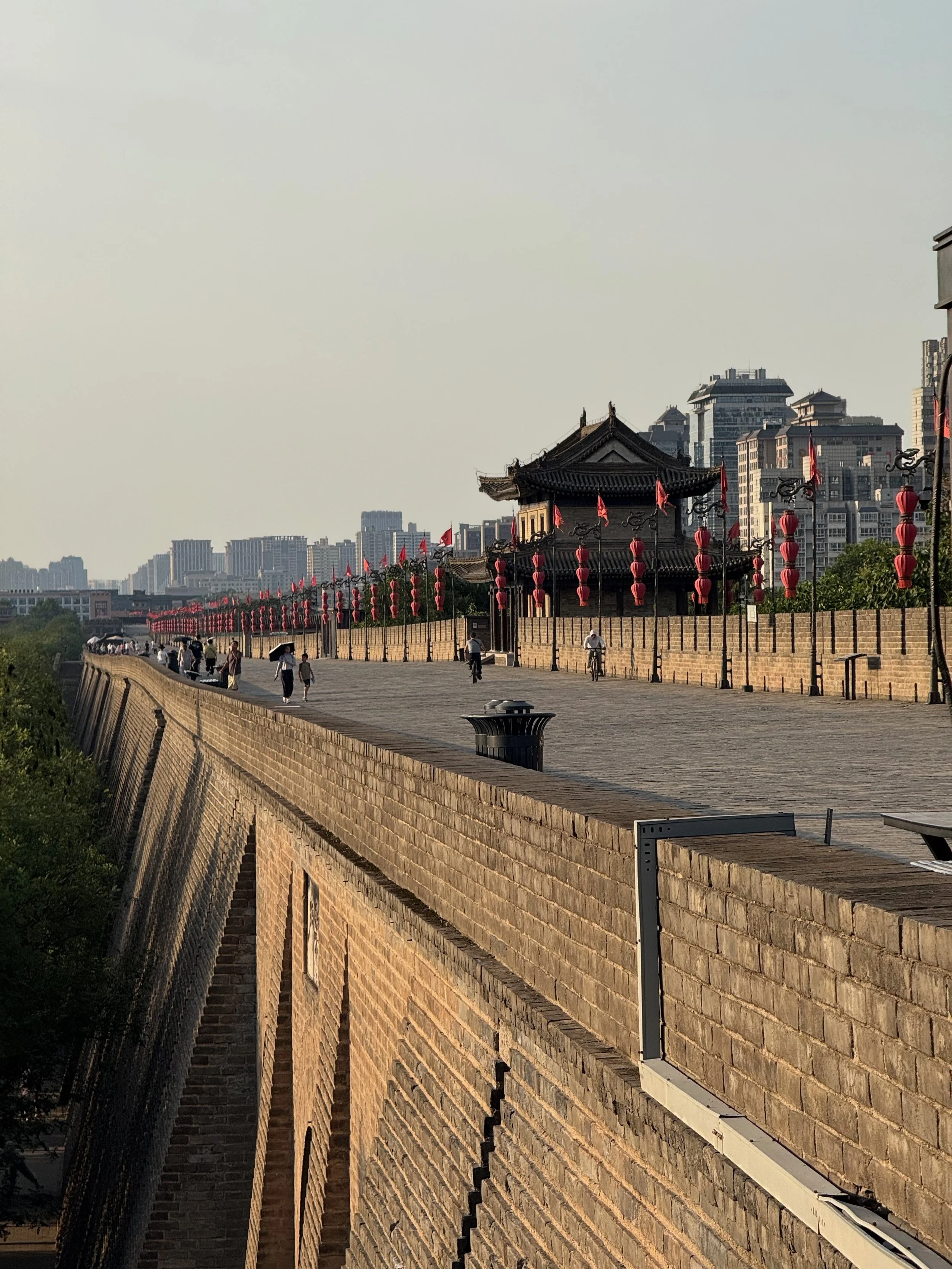
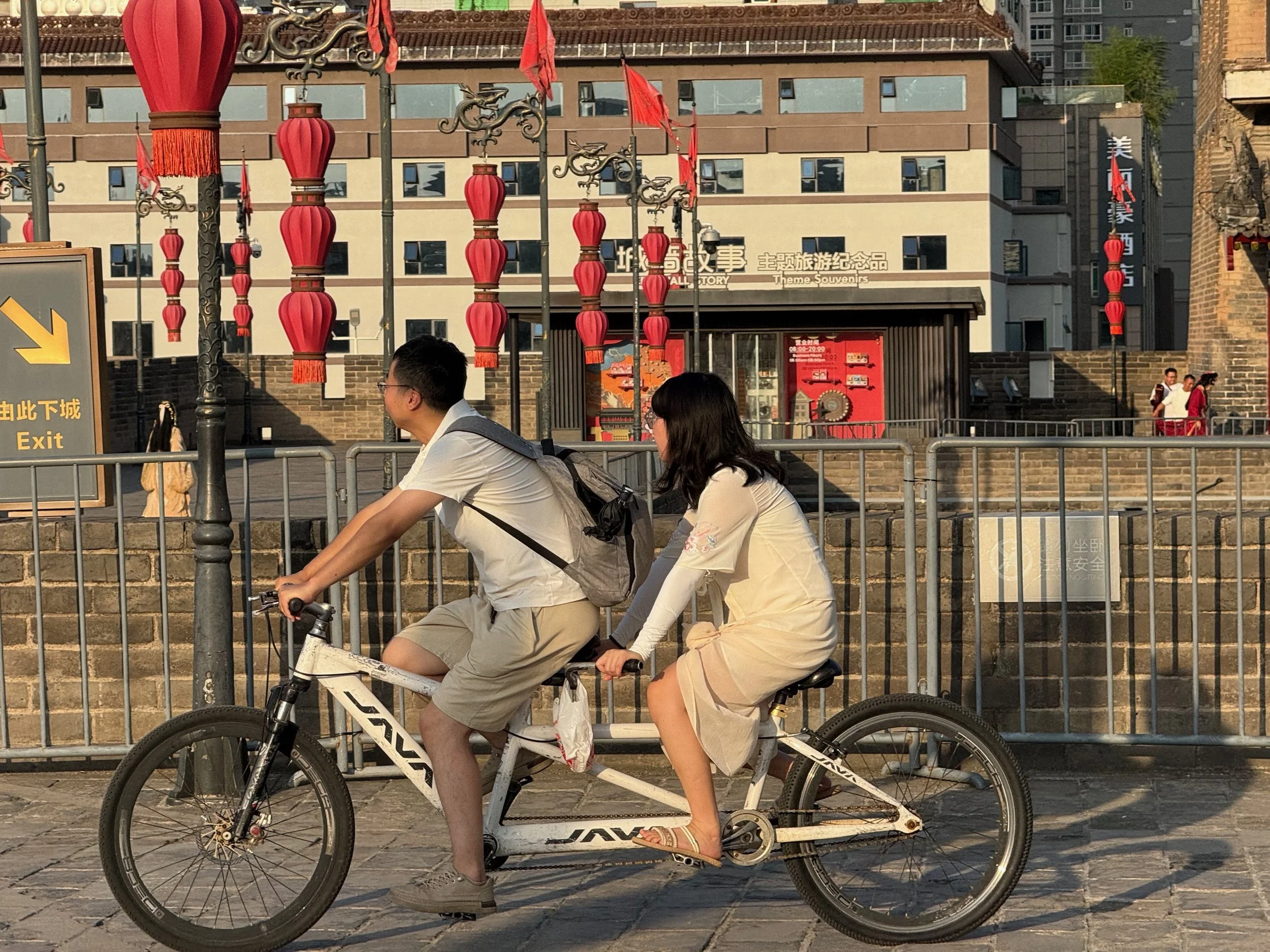
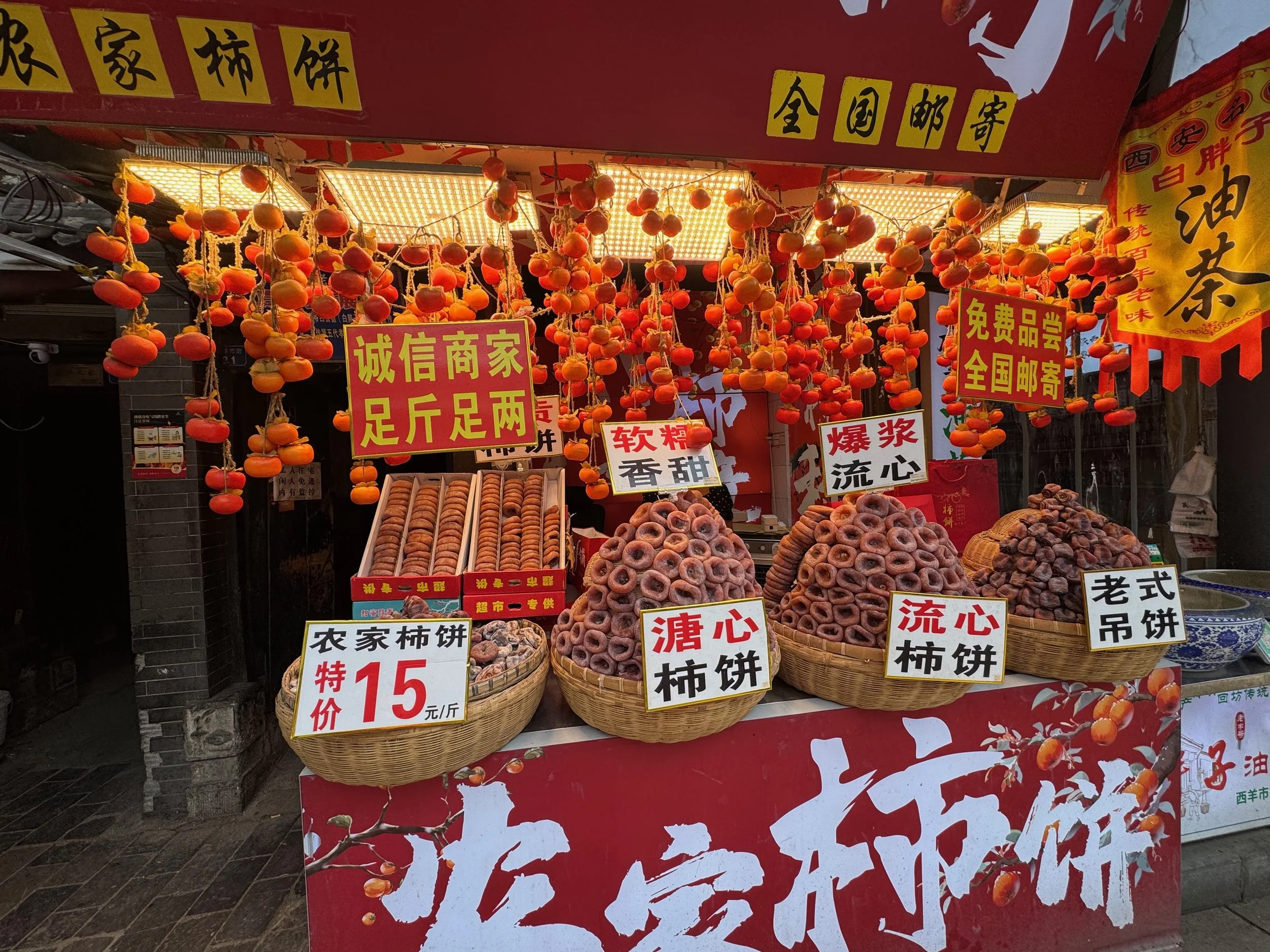
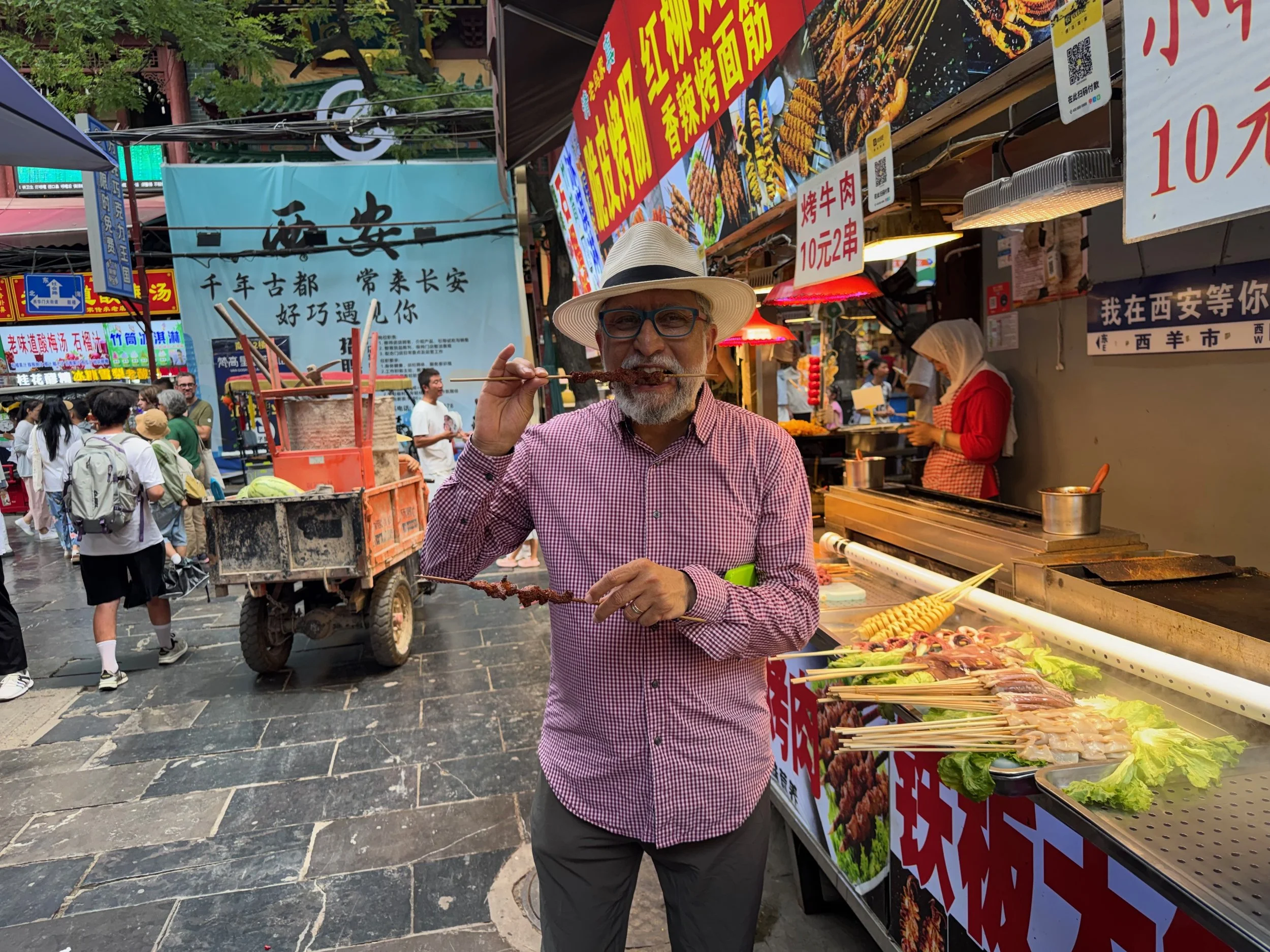
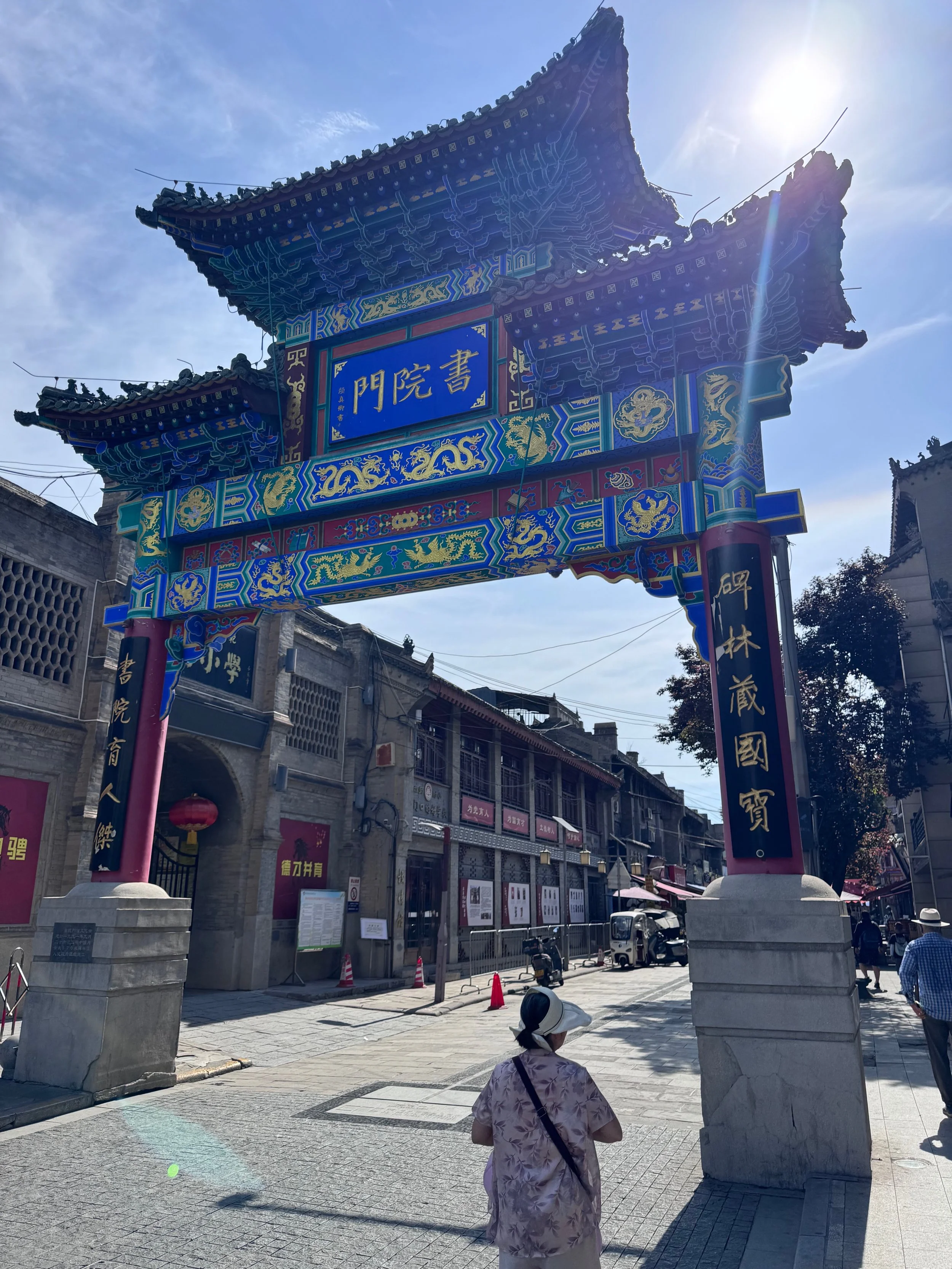
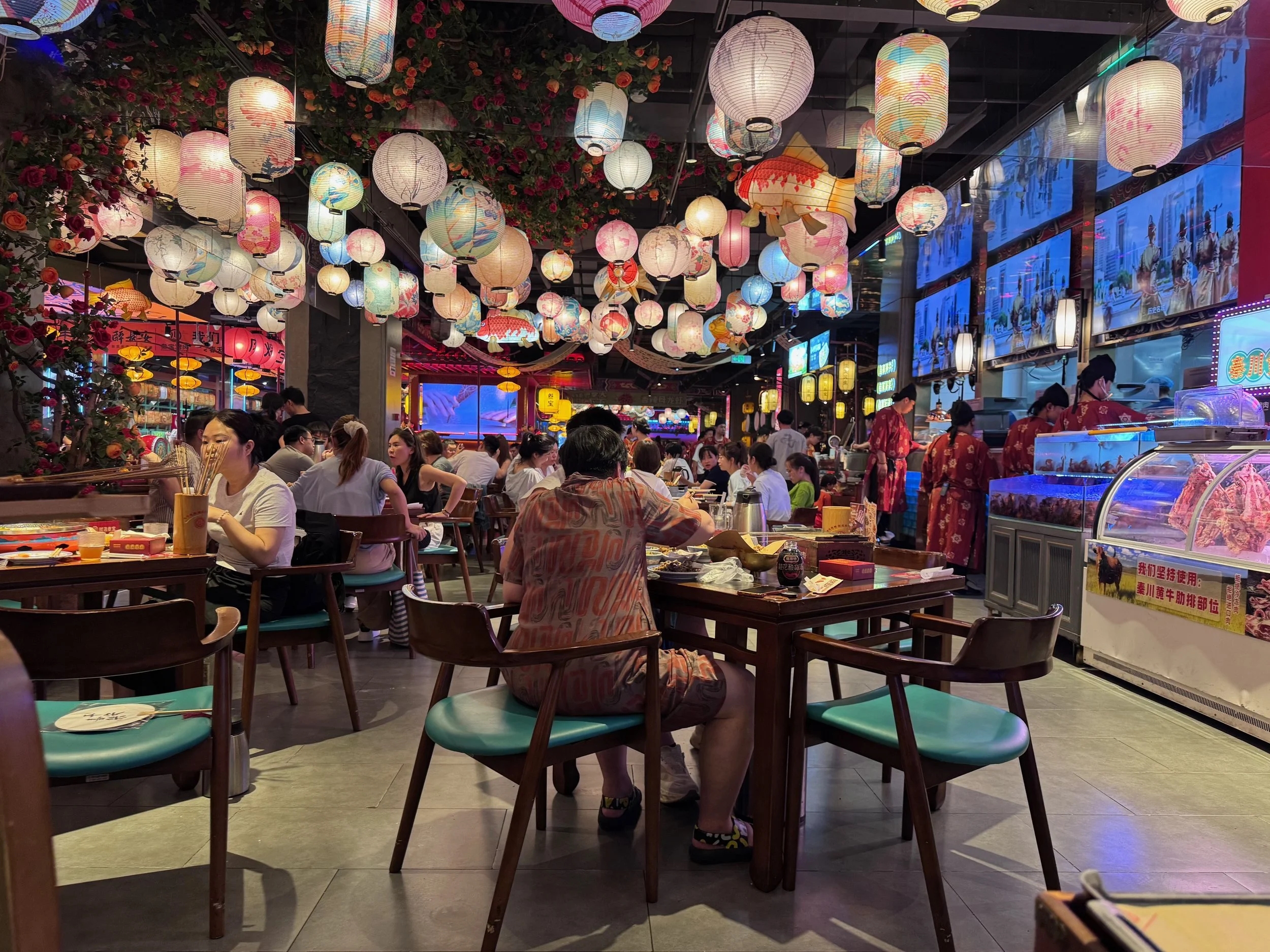
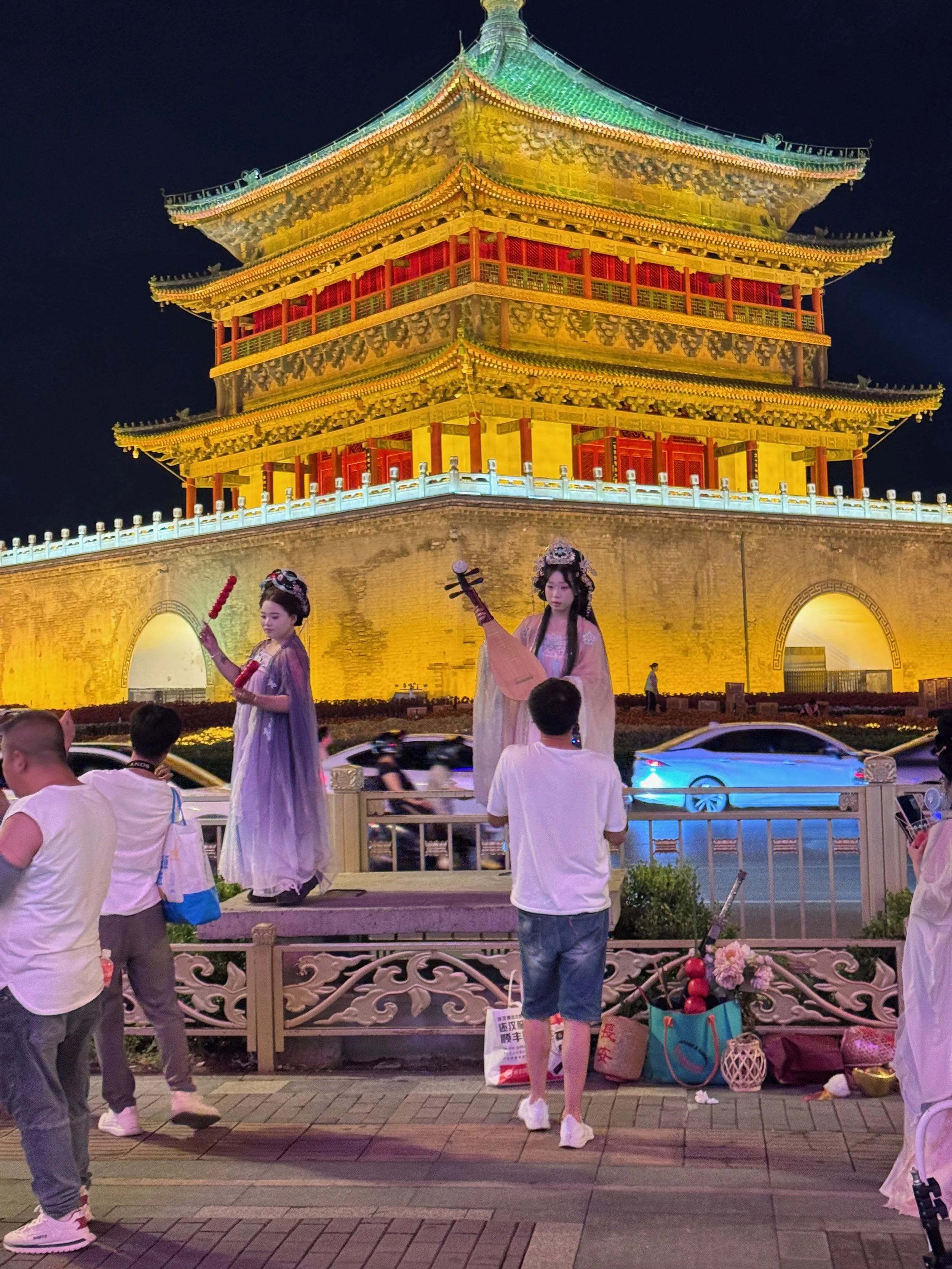
Ali and I then took four days to explore Xi'an on our own. The terrain you cover in seven hours aboard a bullet train feels like travelling through time. Xi'an was hot, and feeling damp at all times quickly became the norm. The bustle of the Muslim Quarter is more hyped and commercial than I remember from my visit in 2013 with Joan and Karl, whom I had met at The Pottery Workshop. It remains vibrant and alive, with flavours matching colours at every turn. The Great Mosque itself is showing signs of disrepair, but it still stands as a hidden gem for most visitors. The juxtaposition of Chinese and Arabic characters carved into stone carries a depth of cultural memory that continues to bind generations of worshippers and their descendants together. There is pride on the faces of the Uyghur people who served us our meals. There is joy among the performers in the underground "Famous Xi'an Food Fair," where we were just two of five foreigners revelling beneath a thousand brightly coloured paper lanterns.
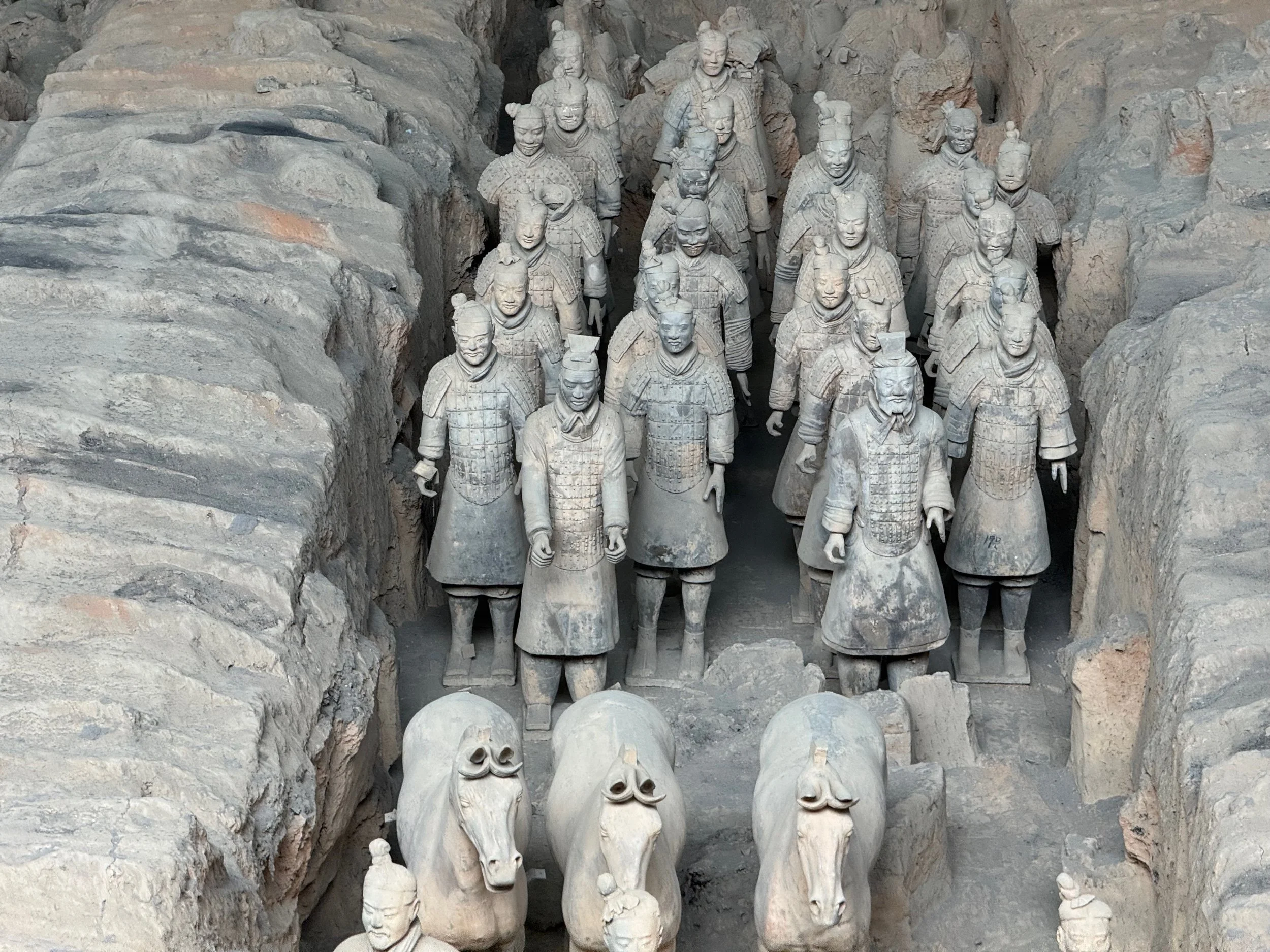
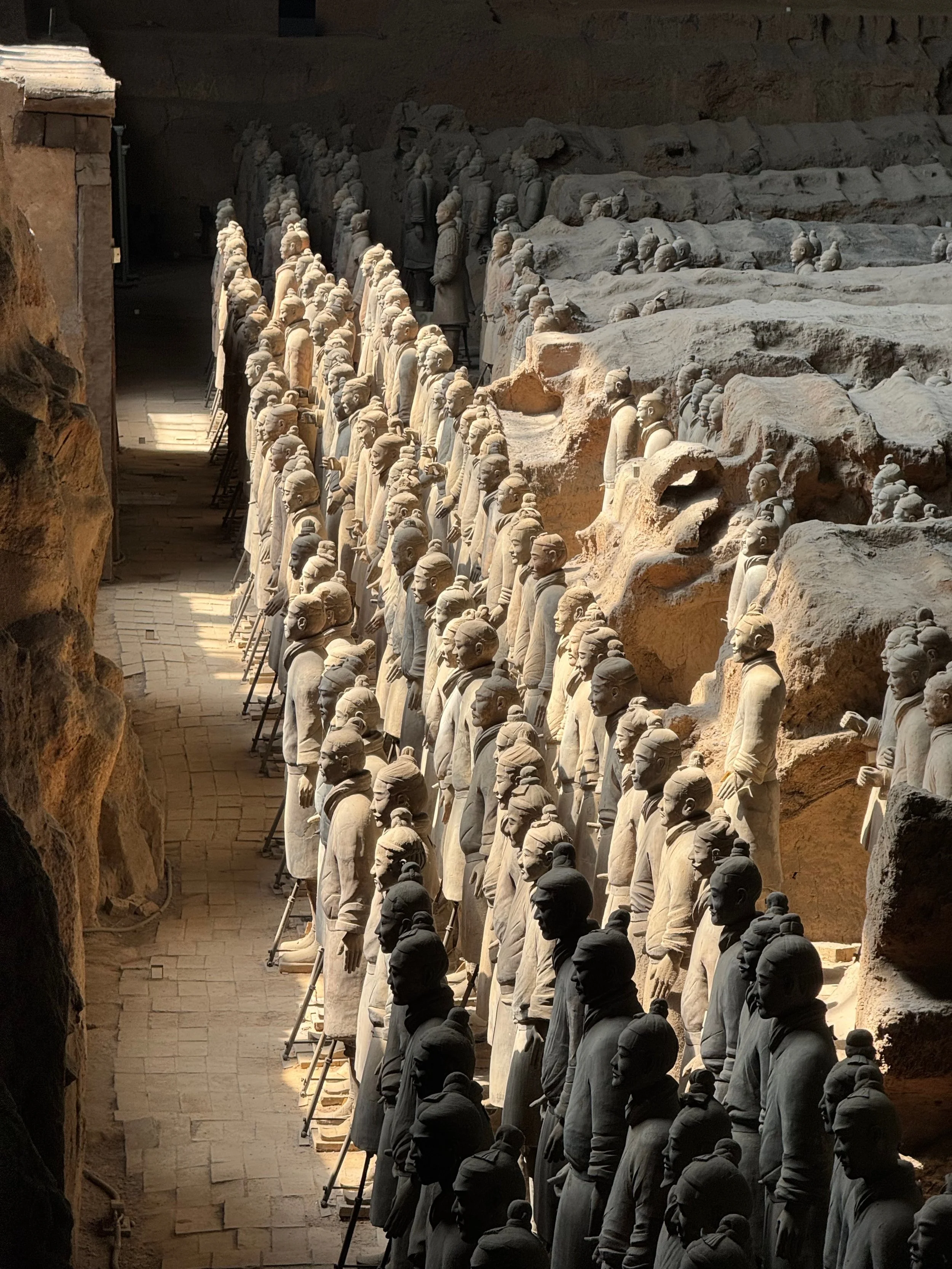
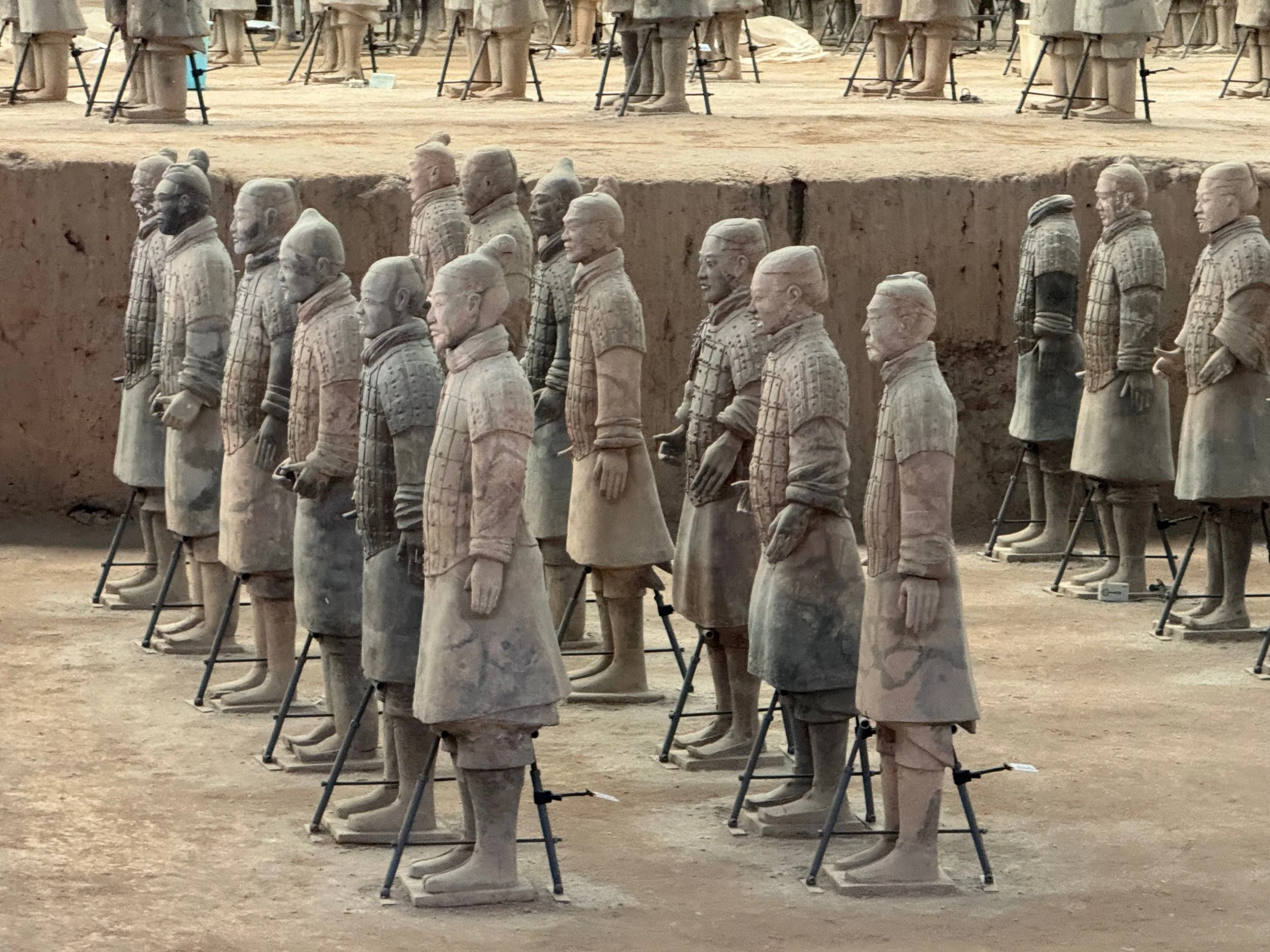
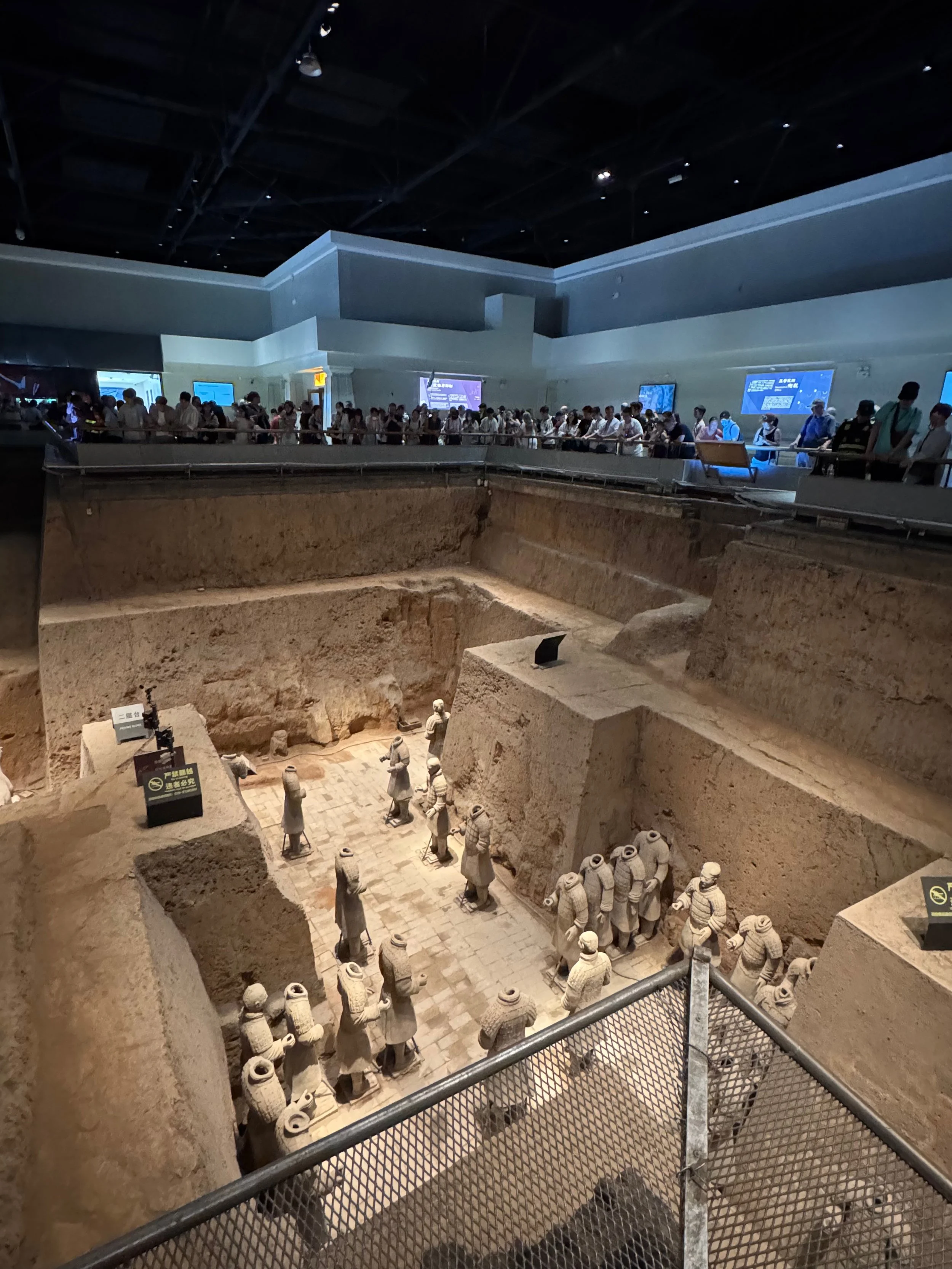
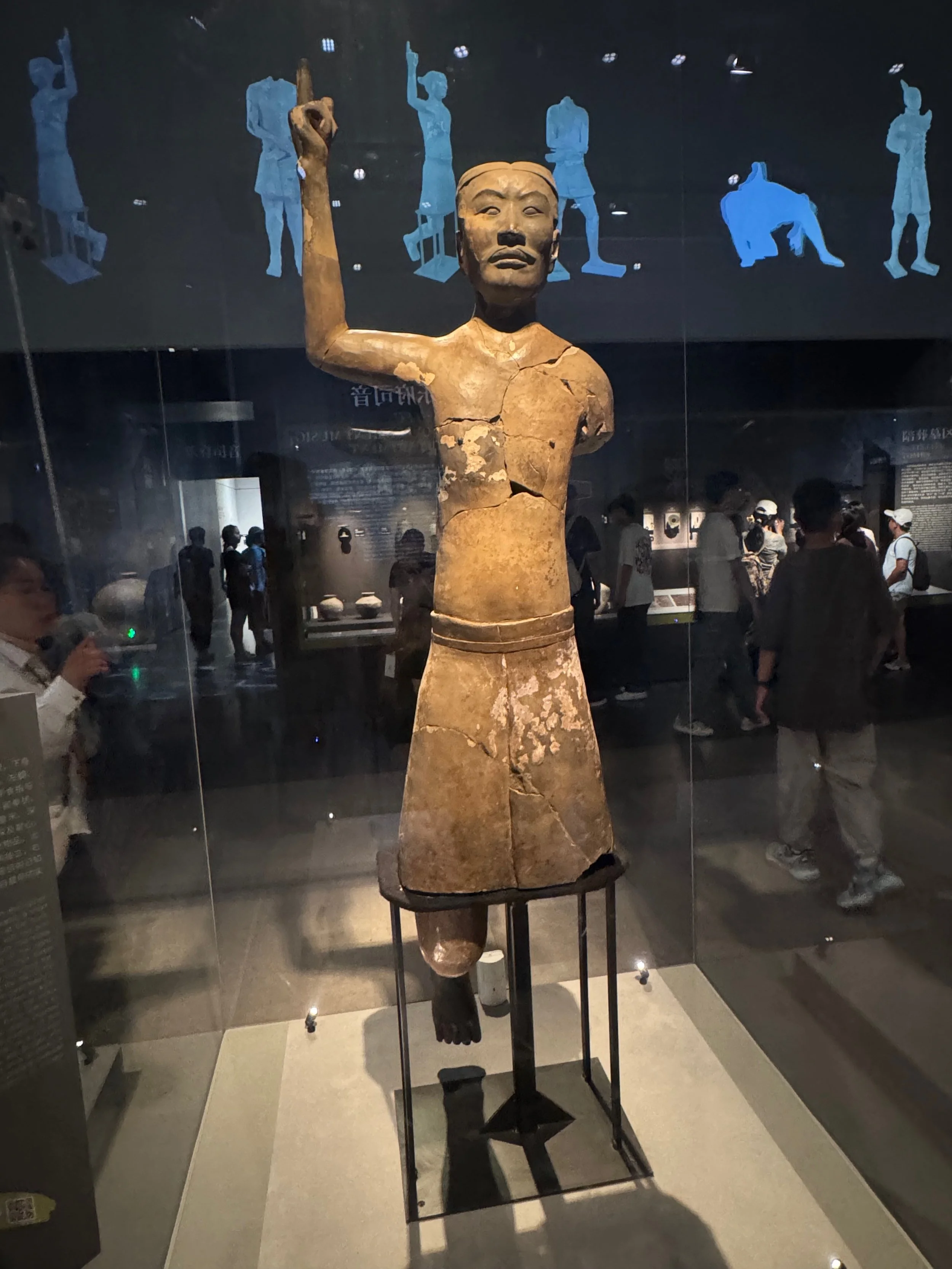
We hired a private guide for the Terracotta Warriors. This truly is one of the wonders of the world and will never cease to amaze me. Historical accounts suggest that as many as 700,000 labourers worked on the mausoleum complex, most of whom were killed by the Emperor to guard his secrets. Scientists are still trying to determine how to preserve the brilliantly coloured pigments that vanish within hours of excavation—they're getting closer. We also opted to experience the VR recreation of what life might have been like. I've never experienced such fear and disorientation. Best part: playing the copper bells. Worst part: flying through the chamber of "booby traps," feeling like Harrison Ford in Temple of Doom.
Home now, getting my feet back on the ground—and feeling that China marked a turning point for whatever comes next.