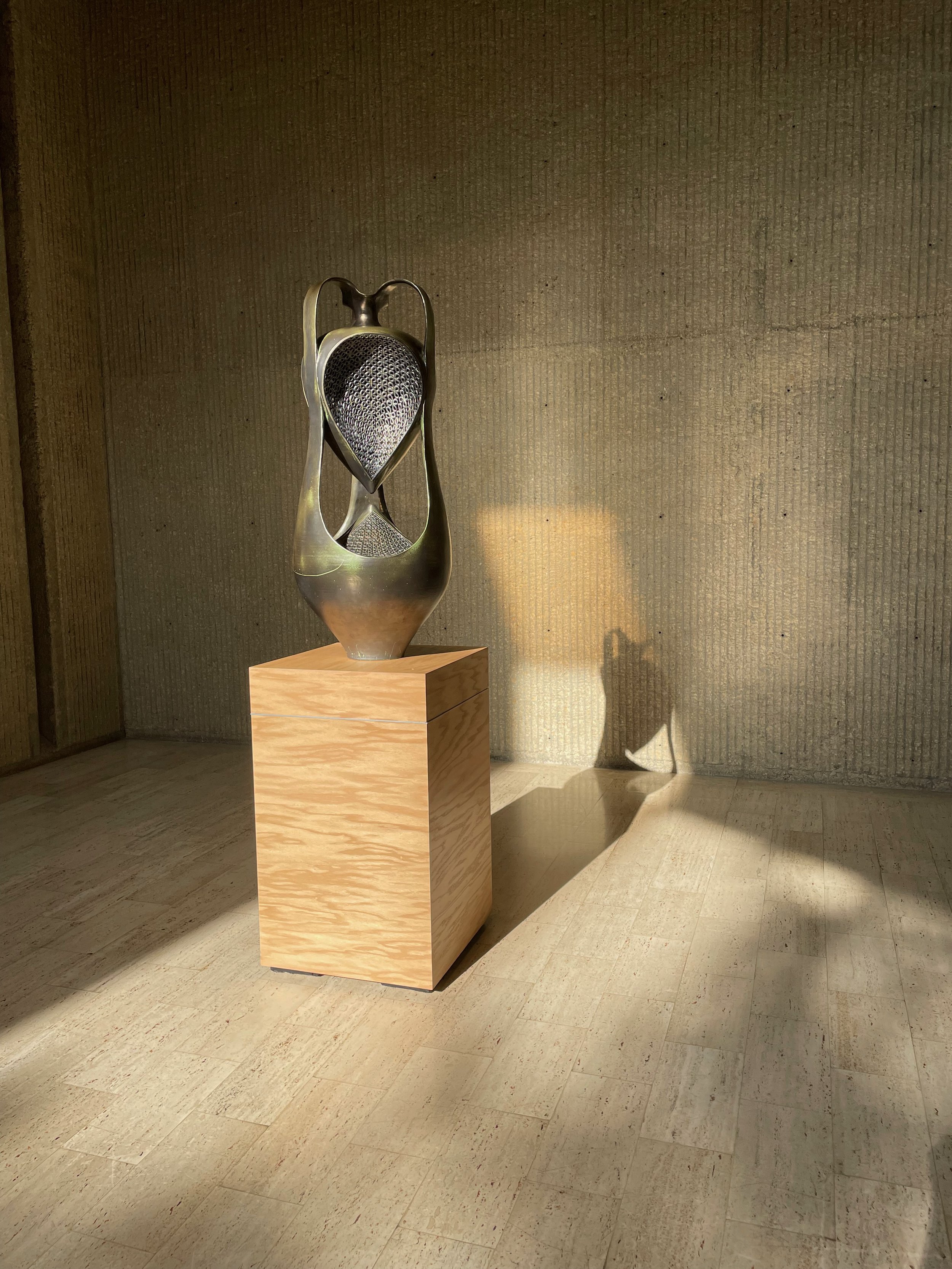
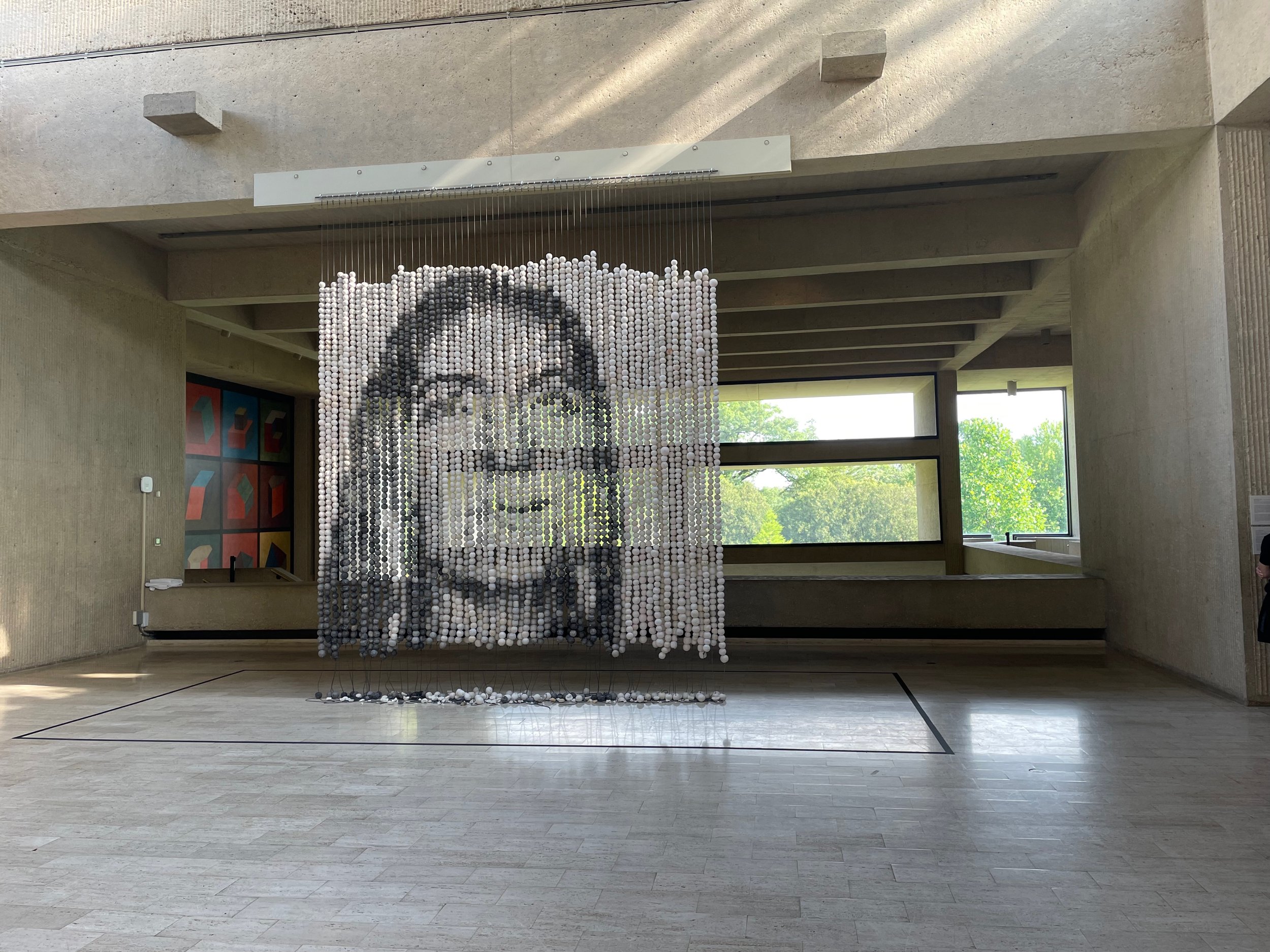
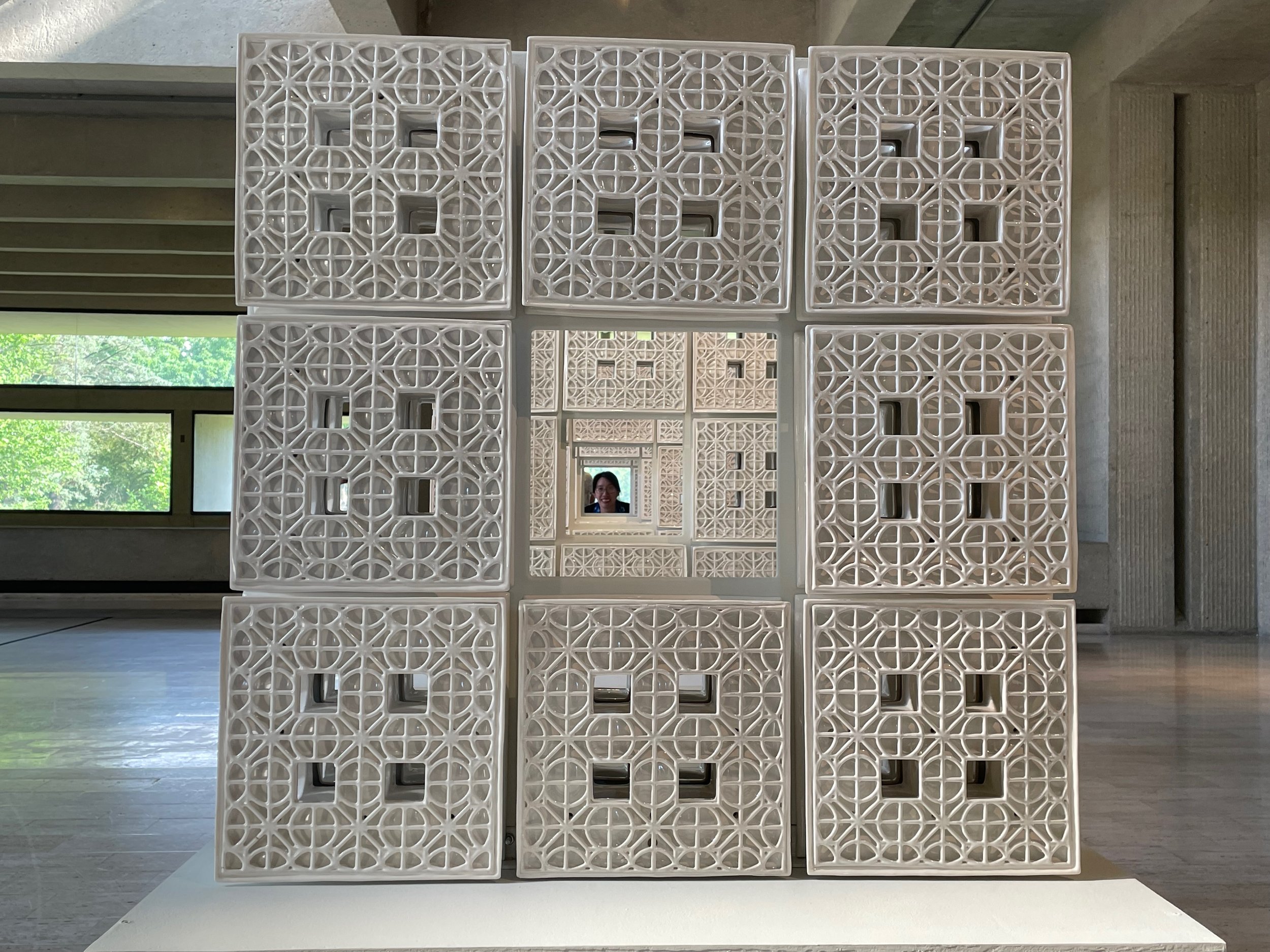
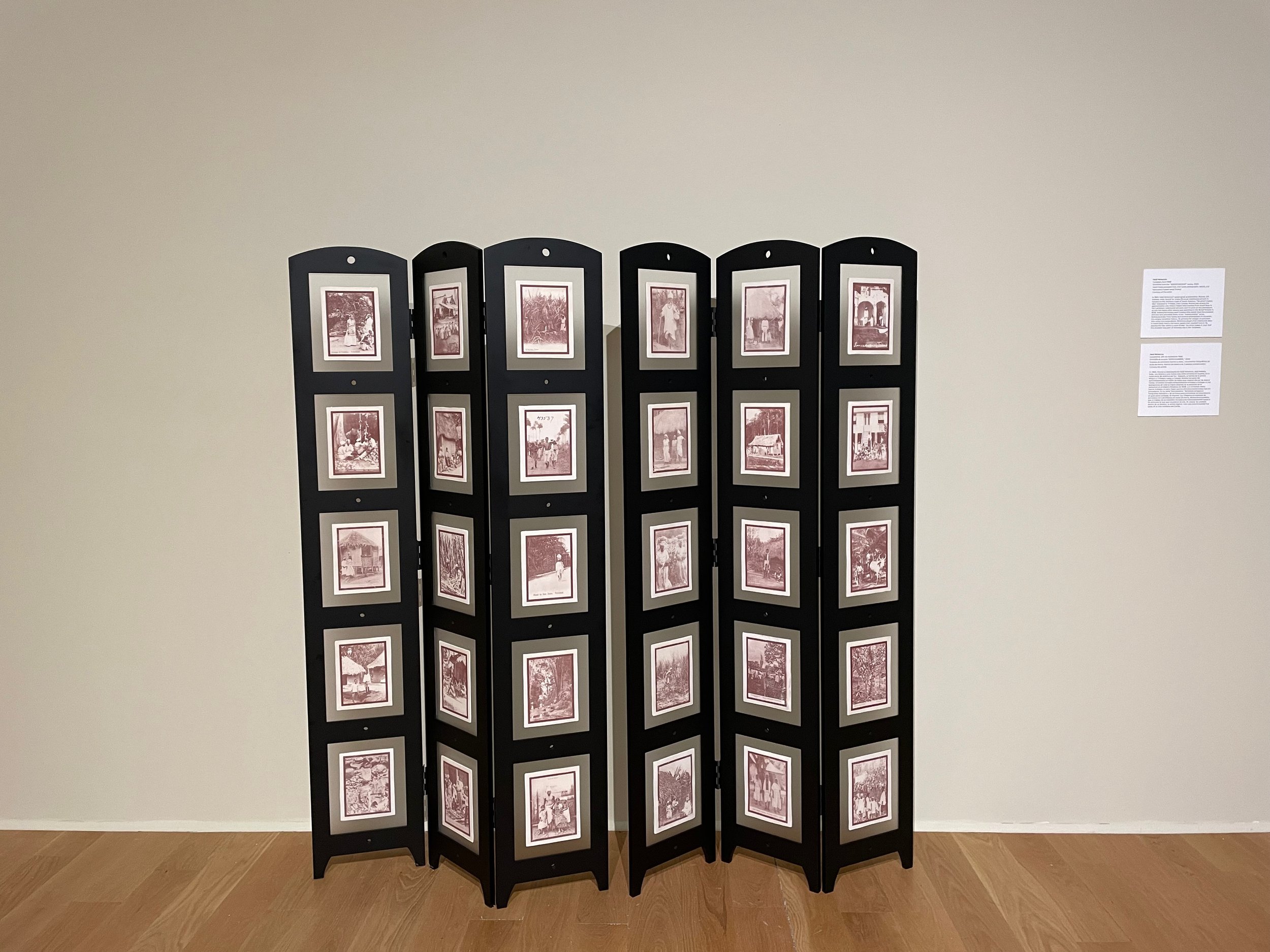
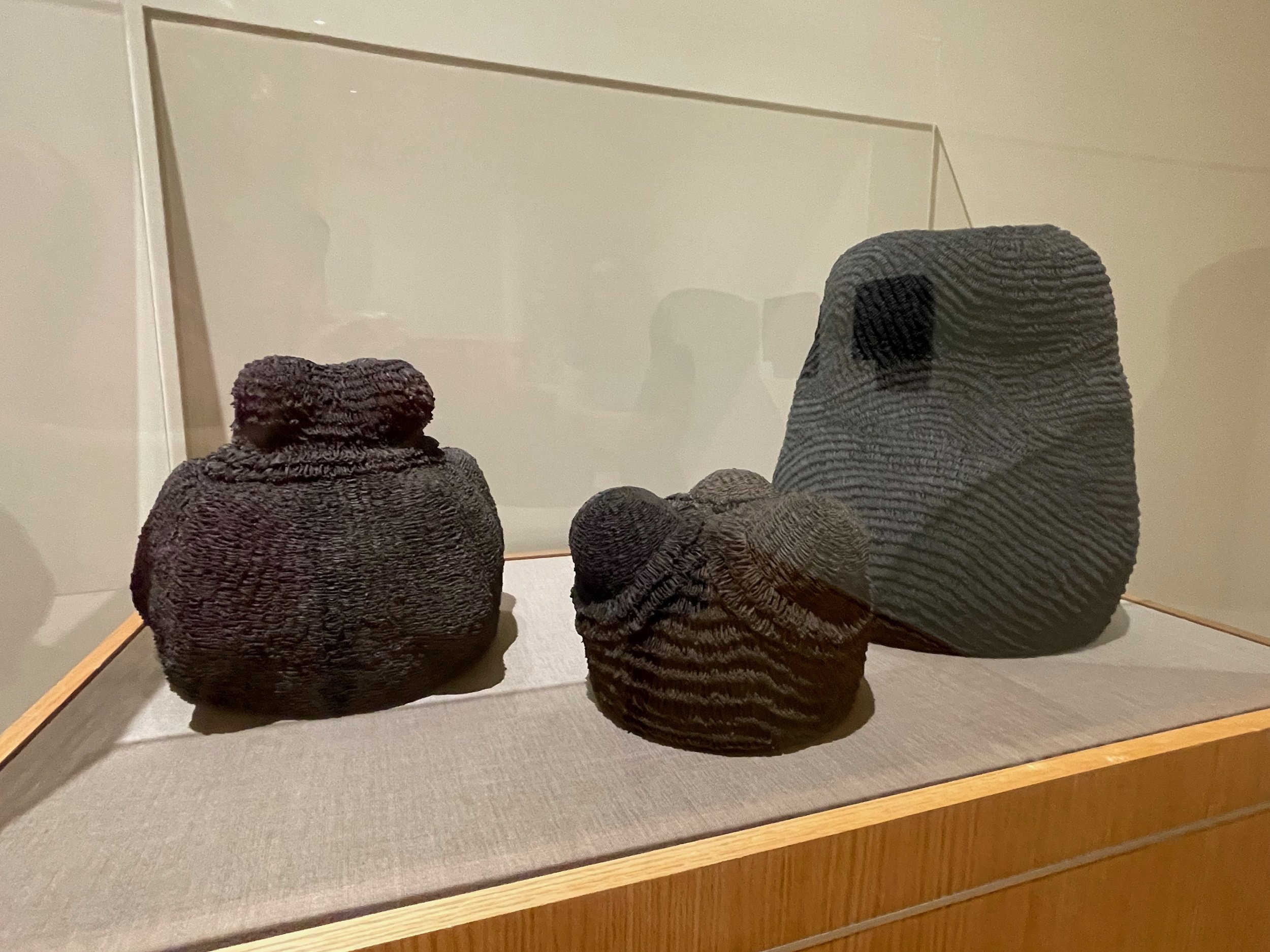
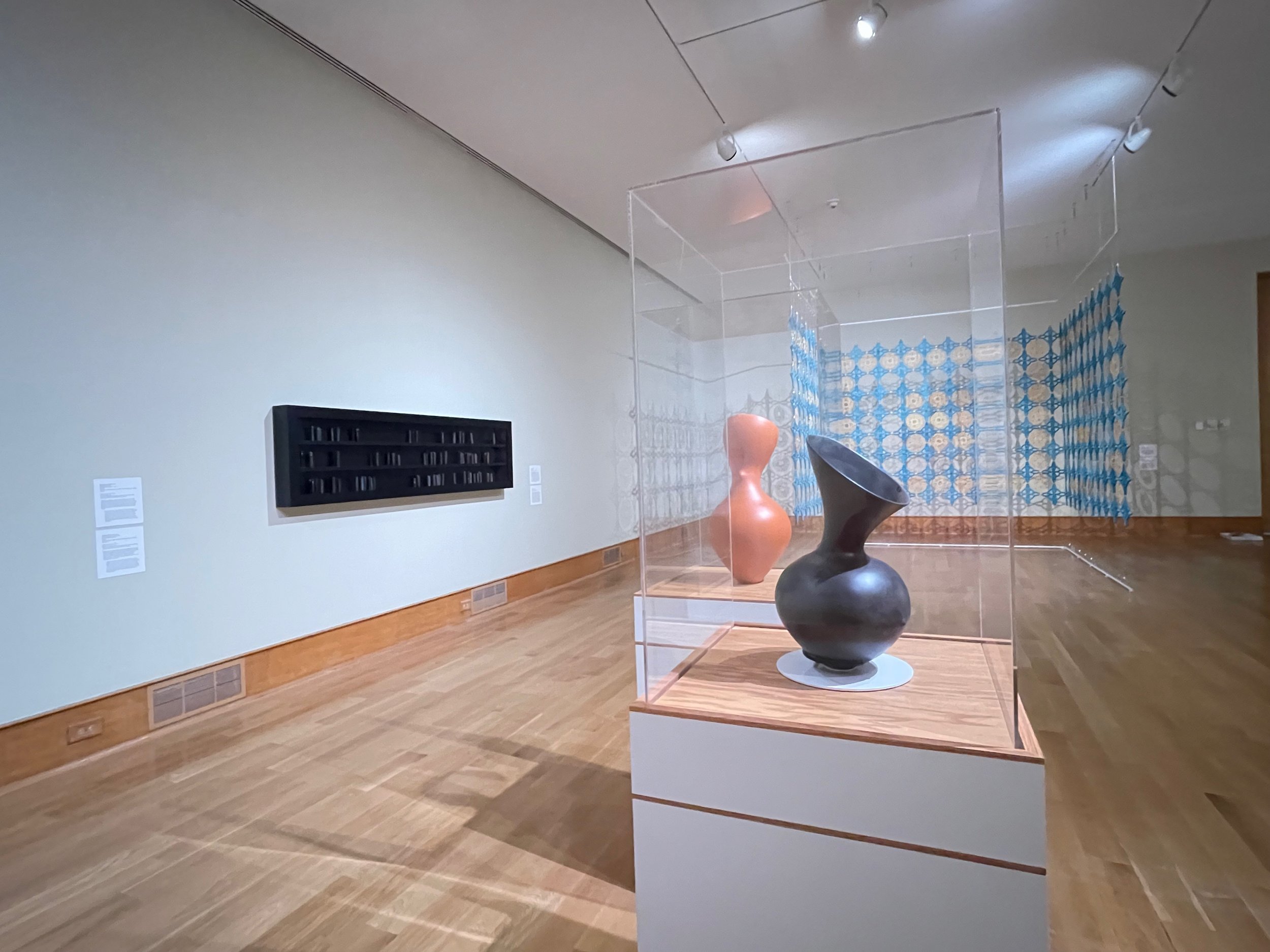
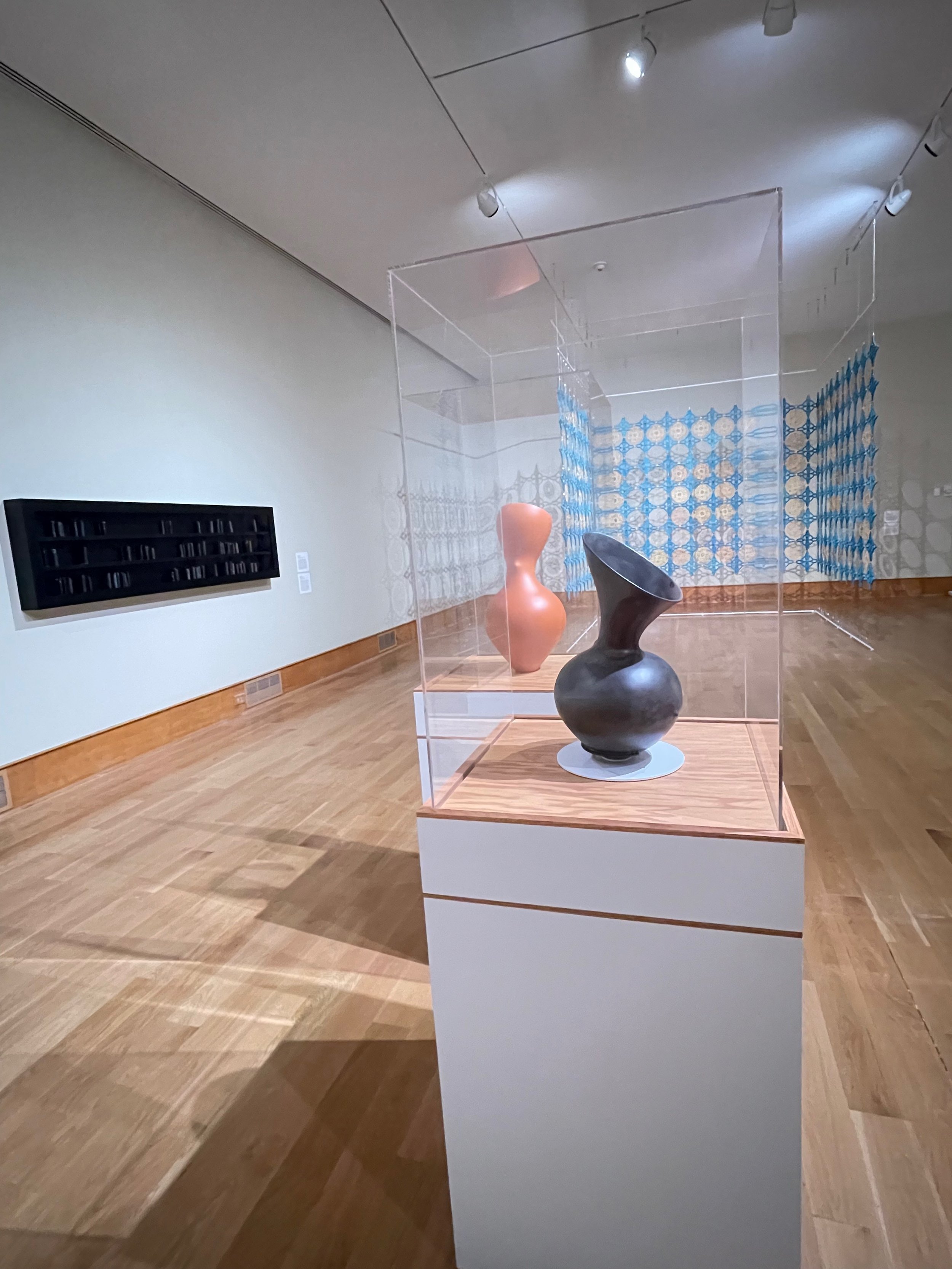
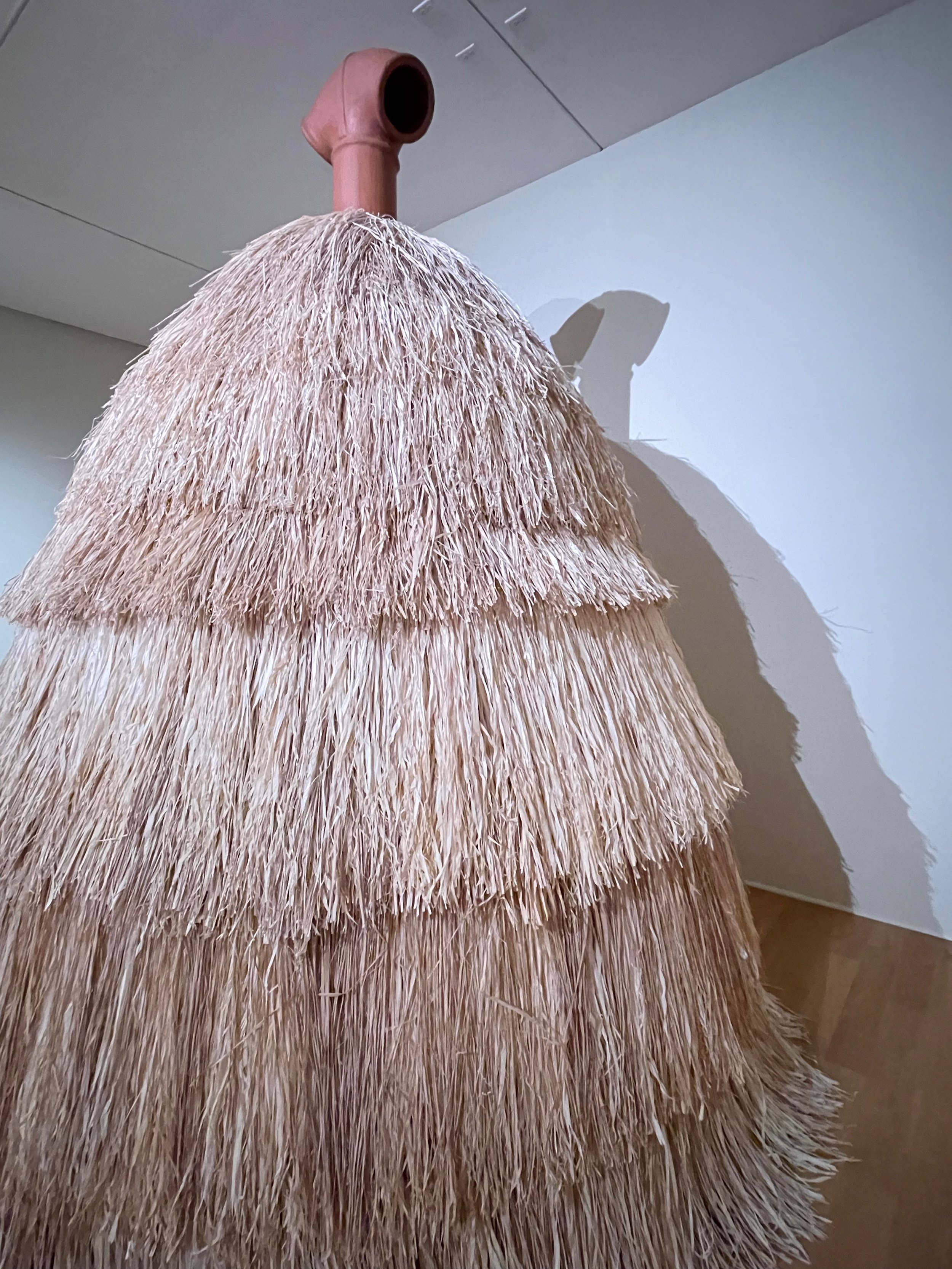
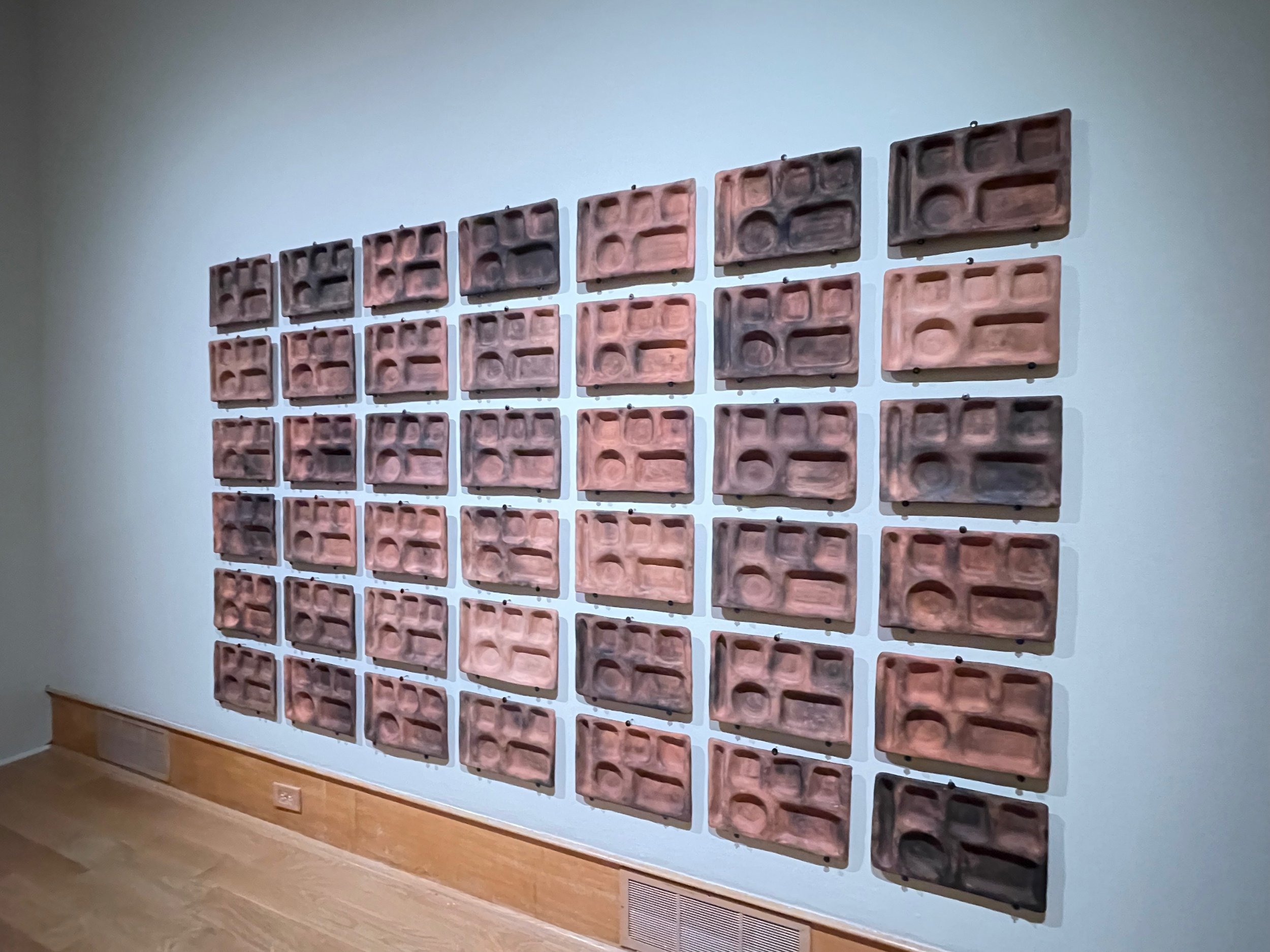
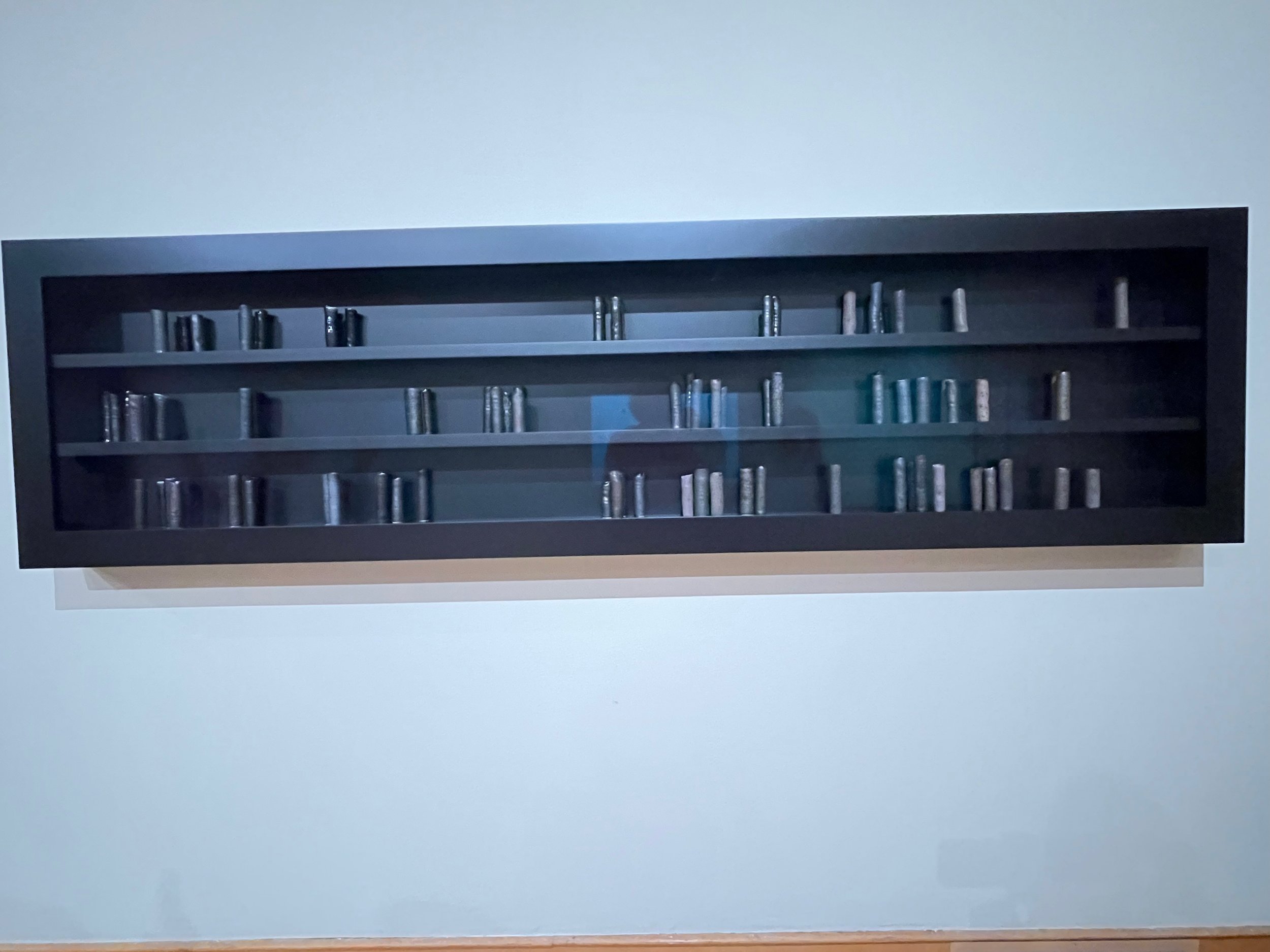
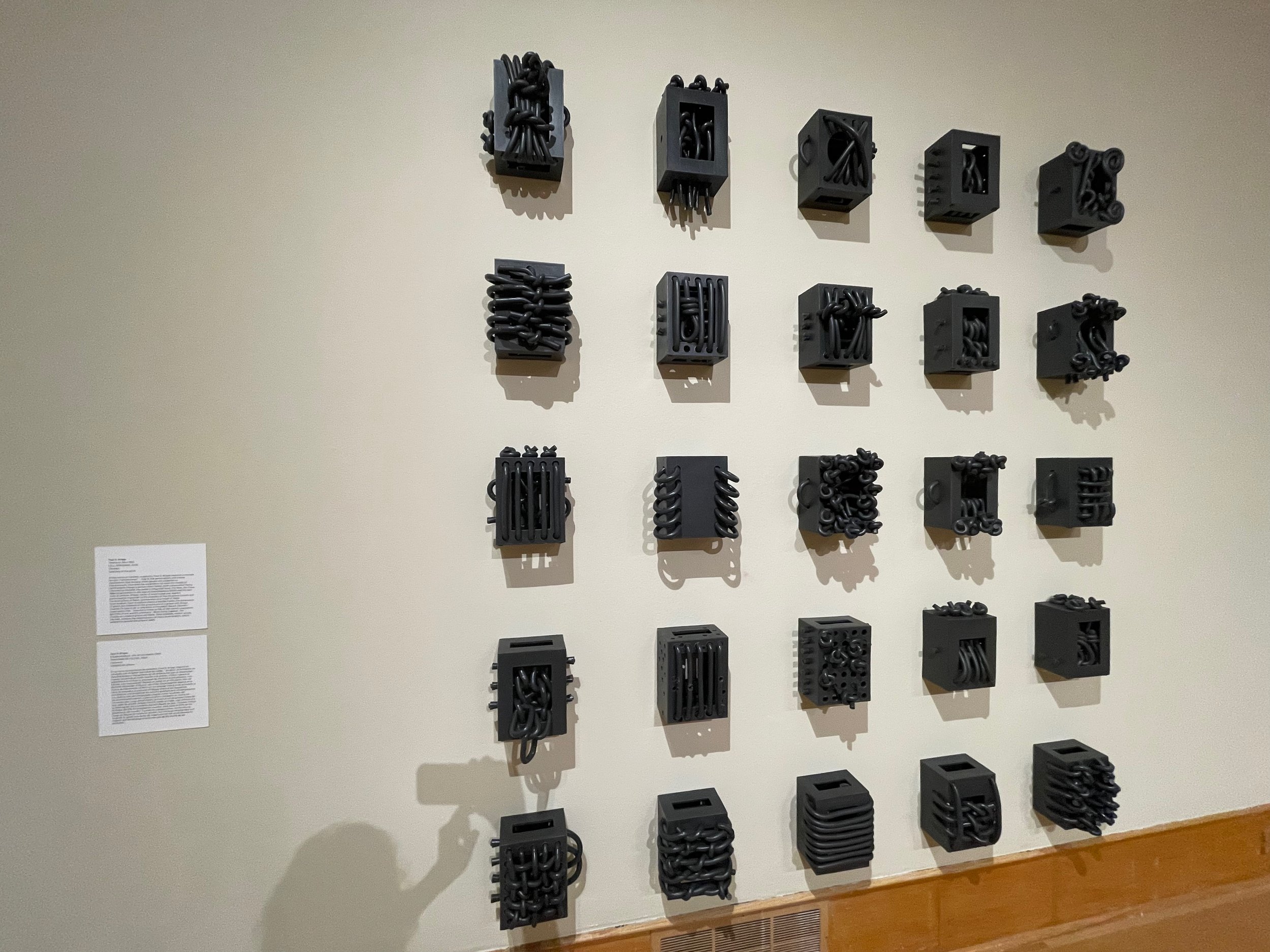
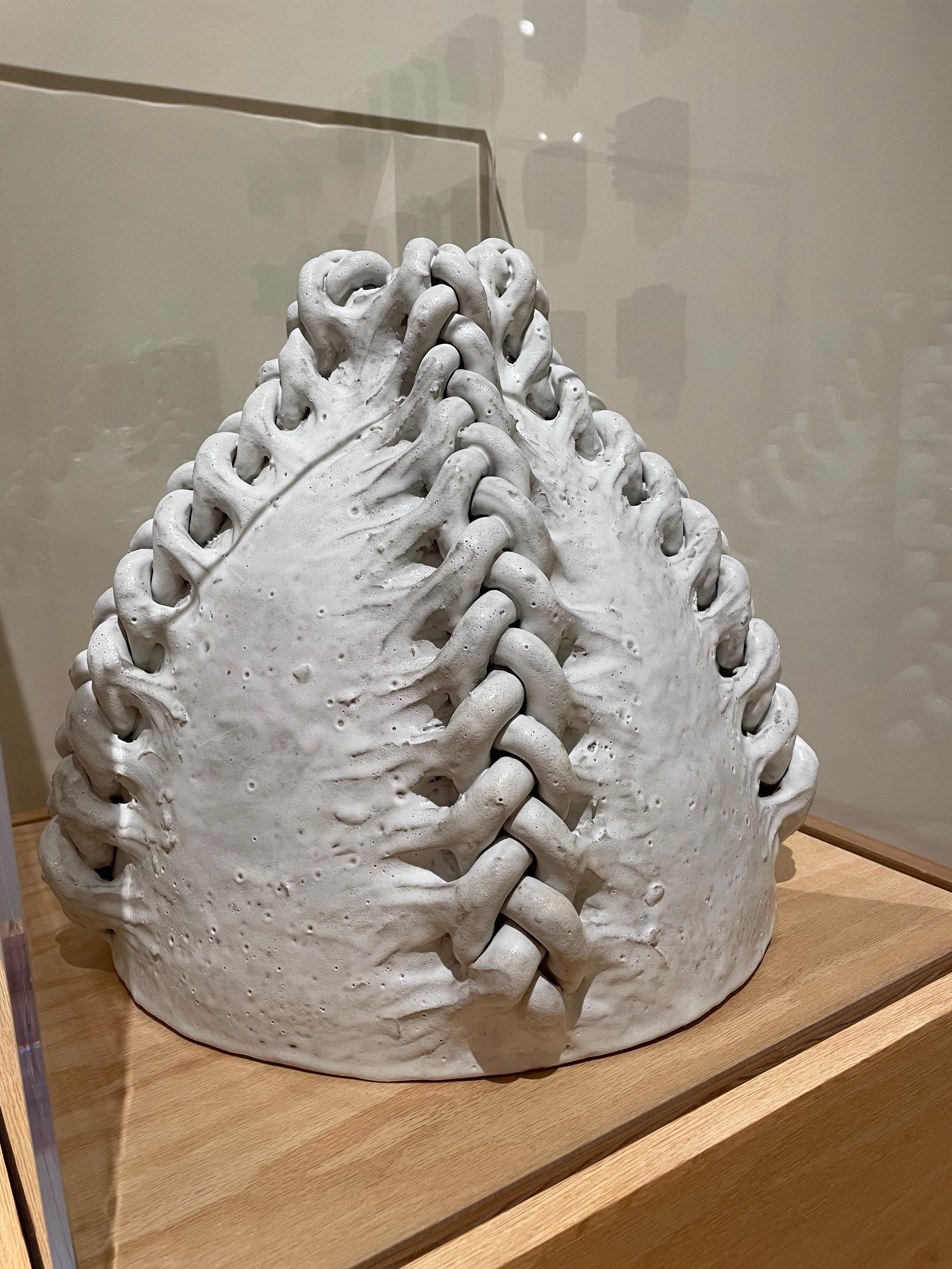
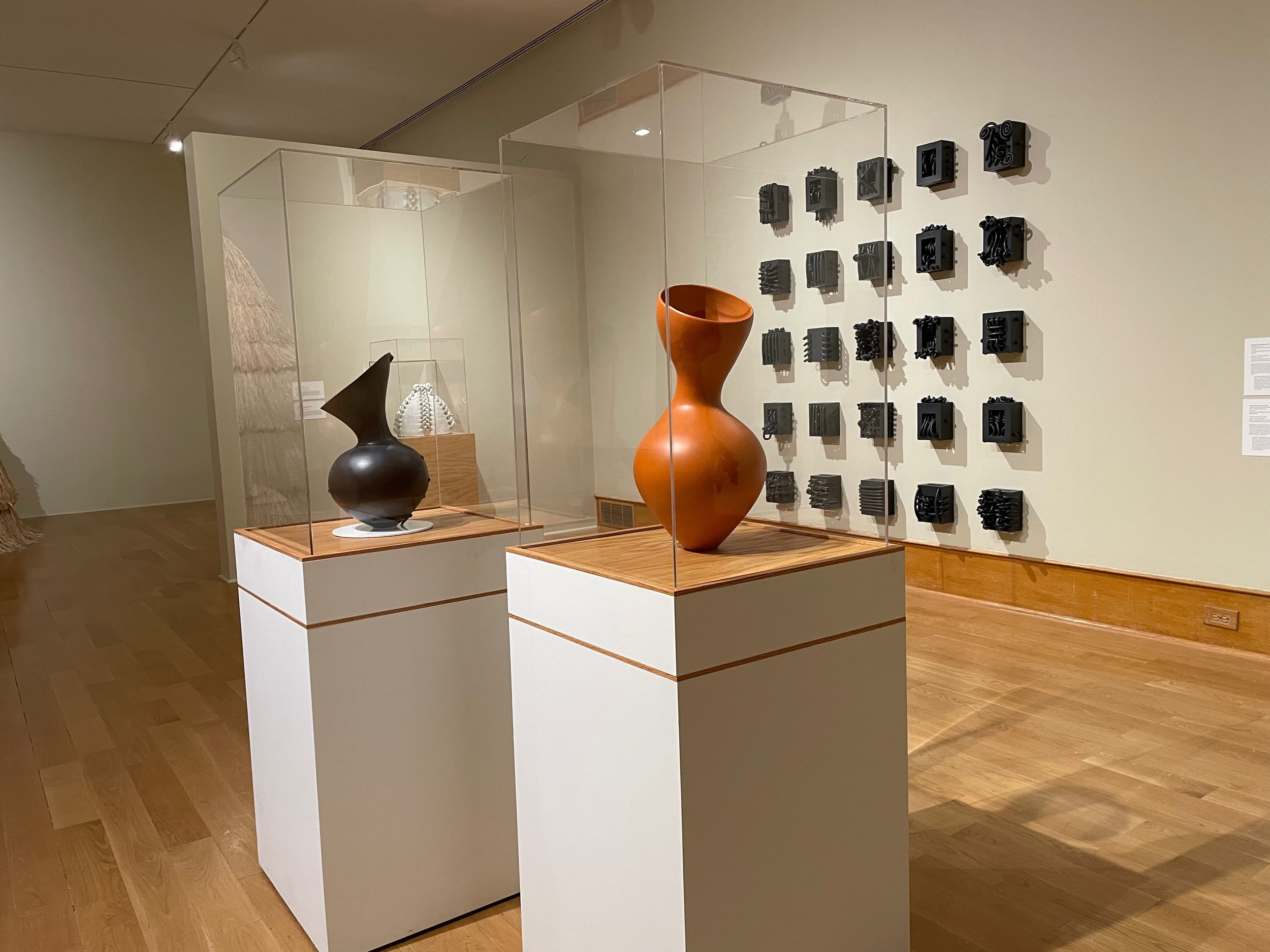
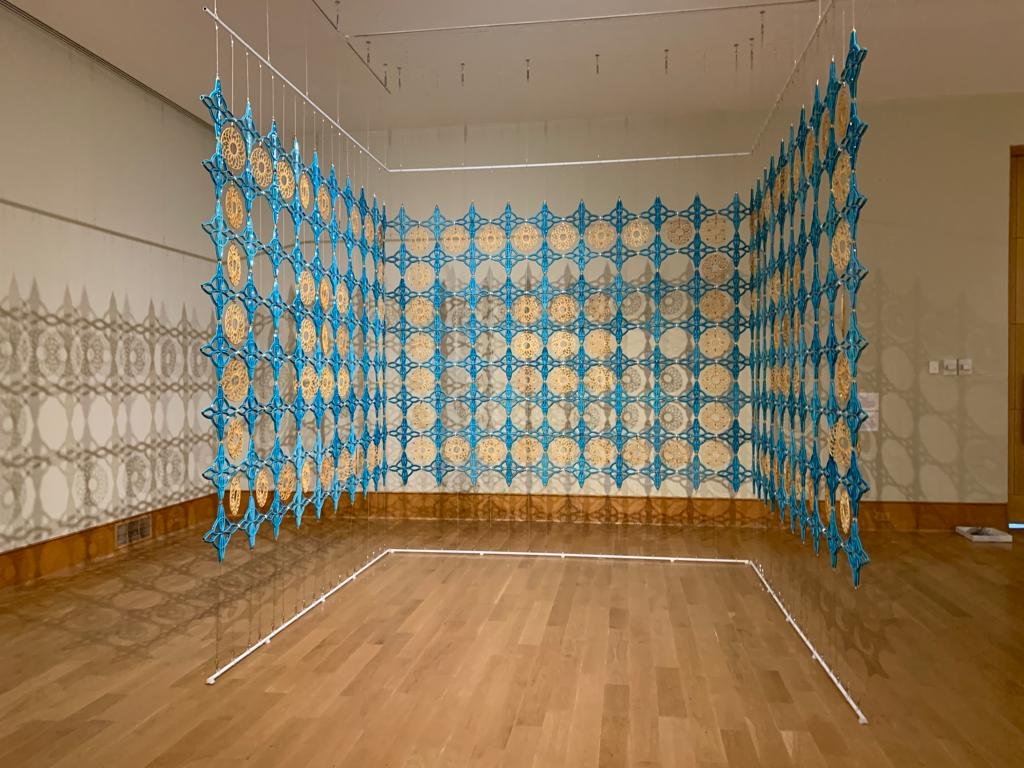
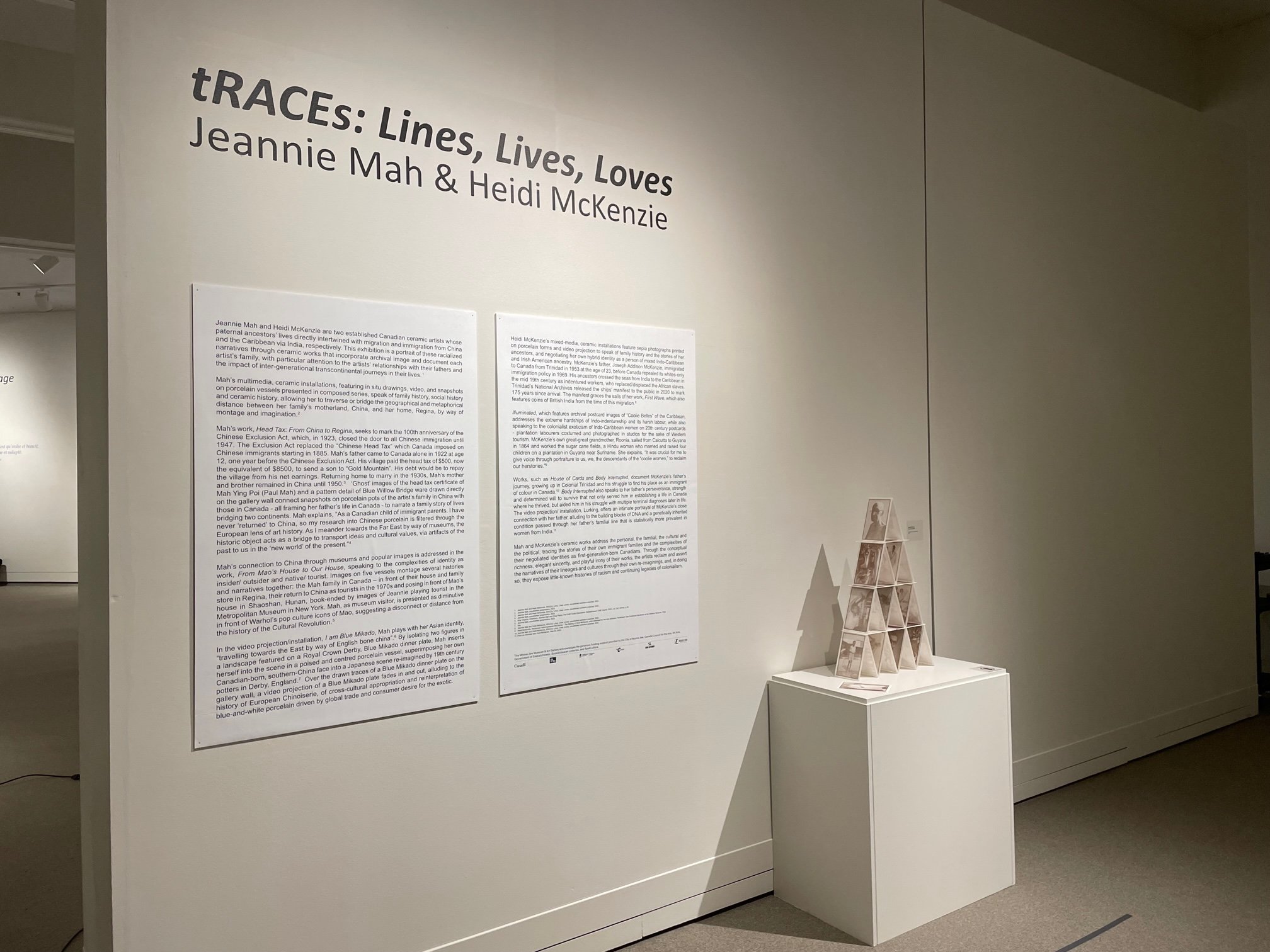
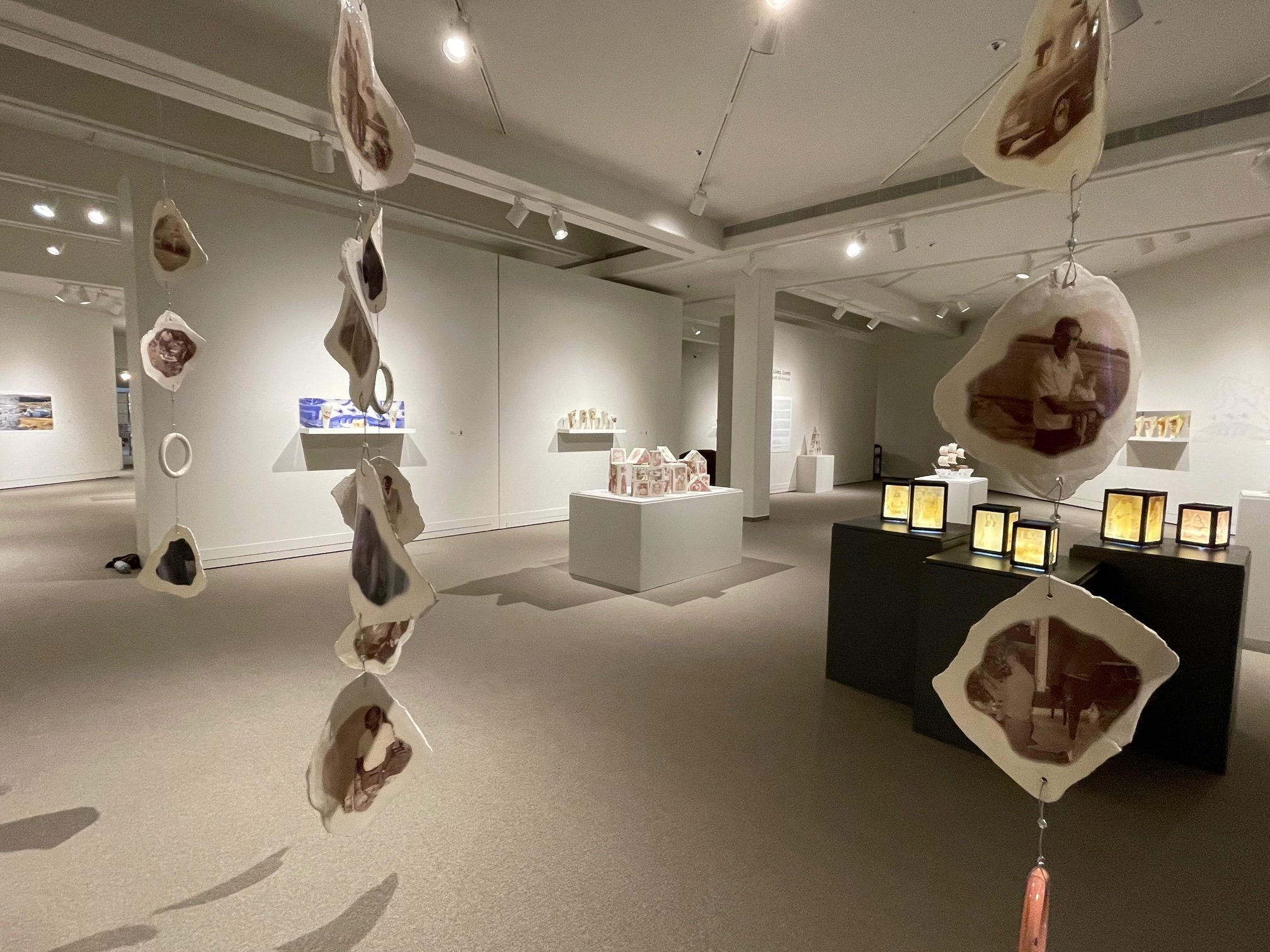
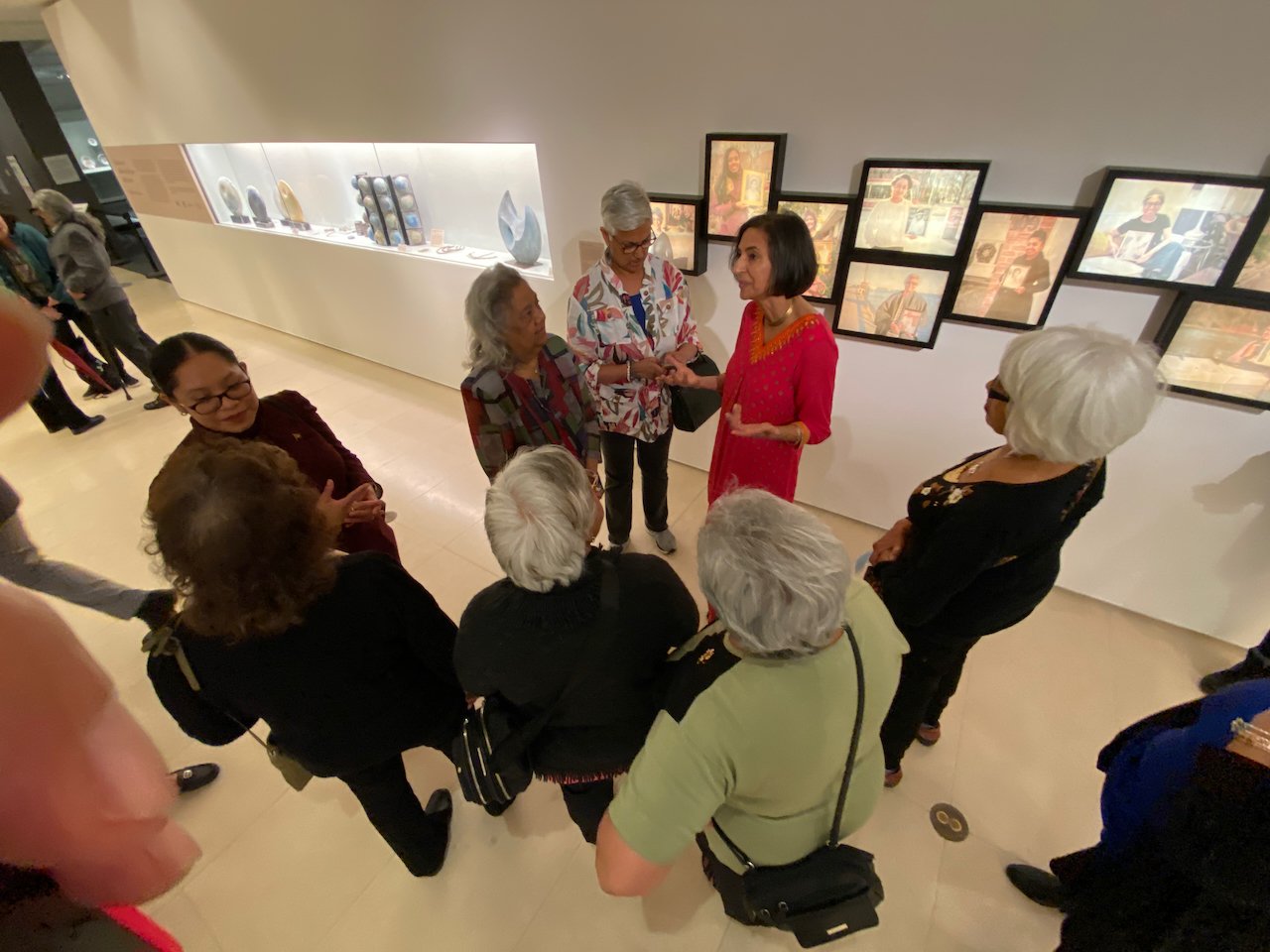
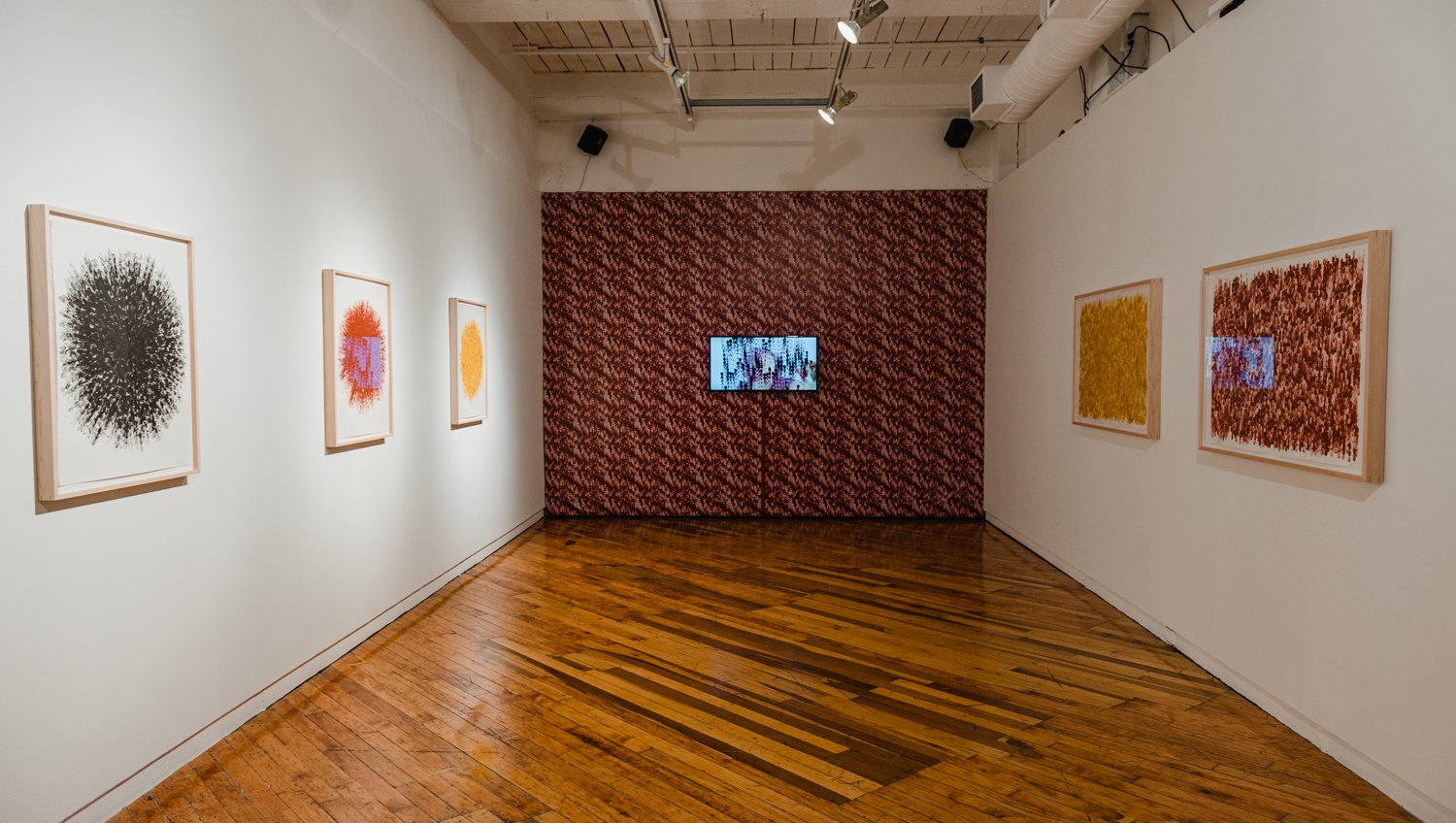
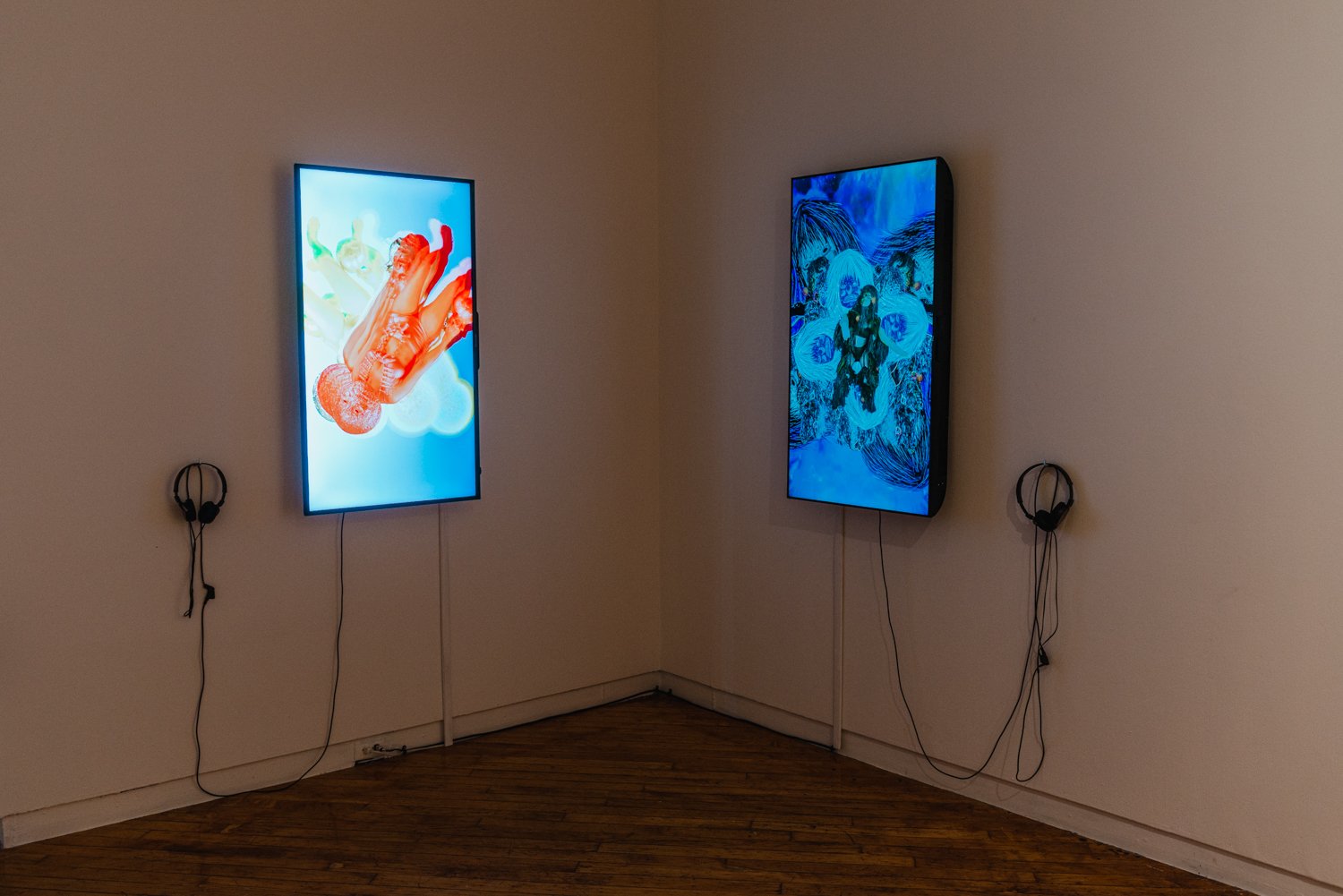
Jeannie Mah and Heidi McKenzie are two established Canadian ceramic artists whose paternal ancestors’ lives directly intertwined with migration and immigration from China and the Caribbean via India, respectively. This exhibition is a portrait of these racialized narratives through ceramic works that incorporate archival image and document each artist’s family, with particular attention to the artists relationships with their fathers and the impact of intergenerational transcontinental journeys in their lives.
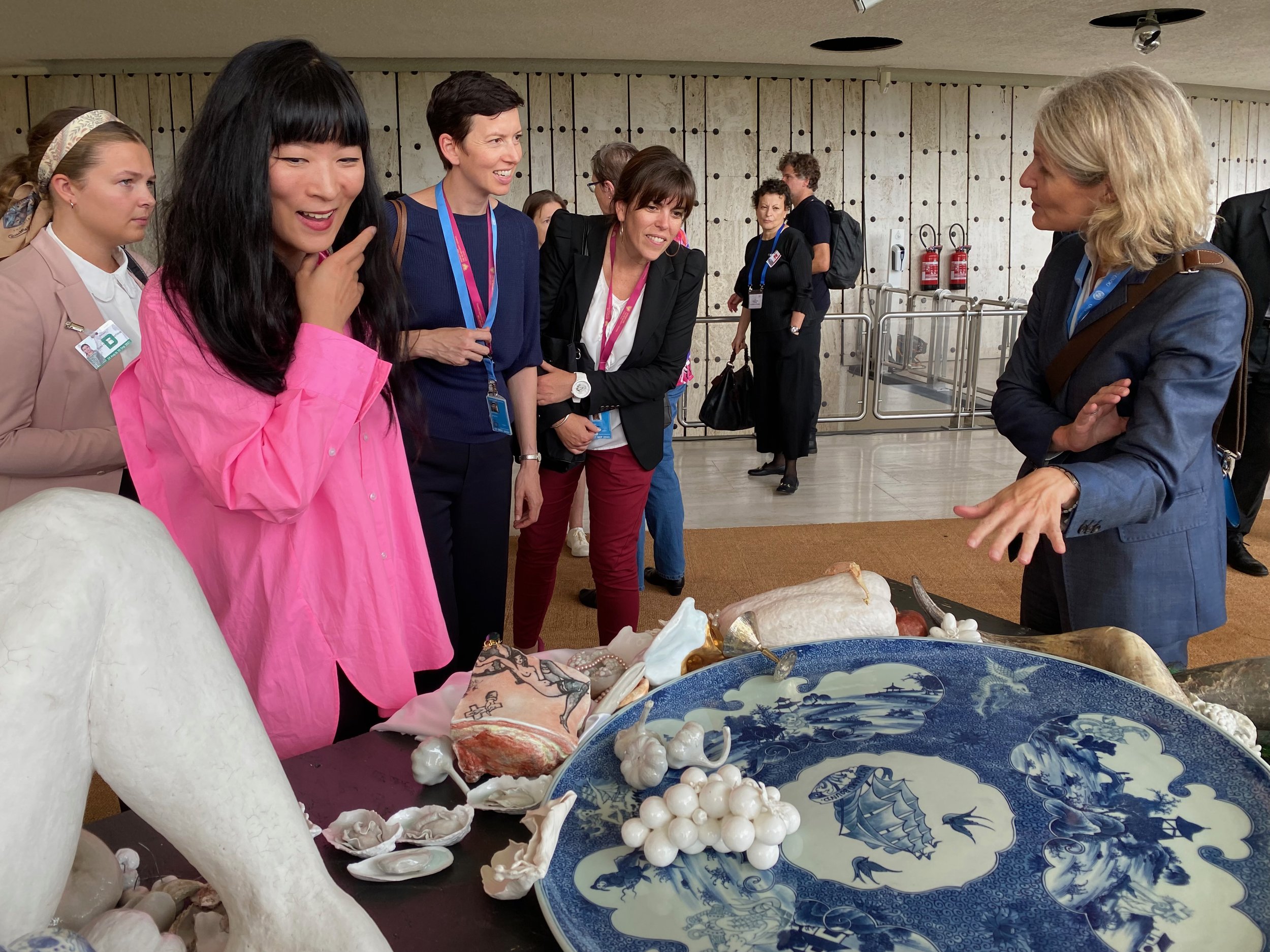
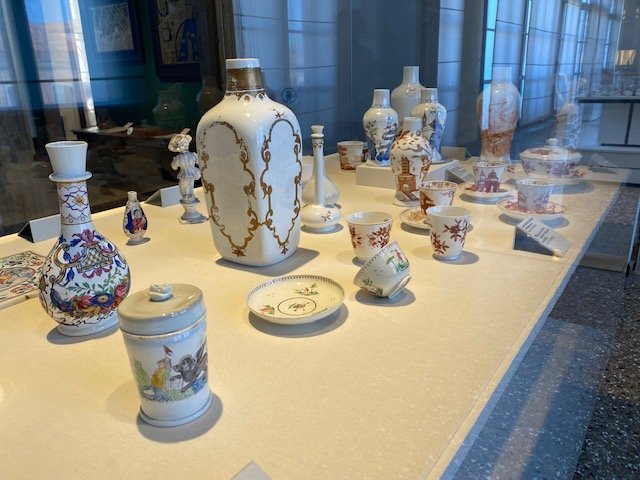
Mah’s multimedia, ceramic installations, featuring in situ drawings, video, and snapshots on porcelain vessels presented in composed series, speak of family history, social history and ceramic history, allowing her to traverse or bridge the geographical and metaphorical distance between her family’s motherland, China, and her home, Regina, by way of montage and imagination.
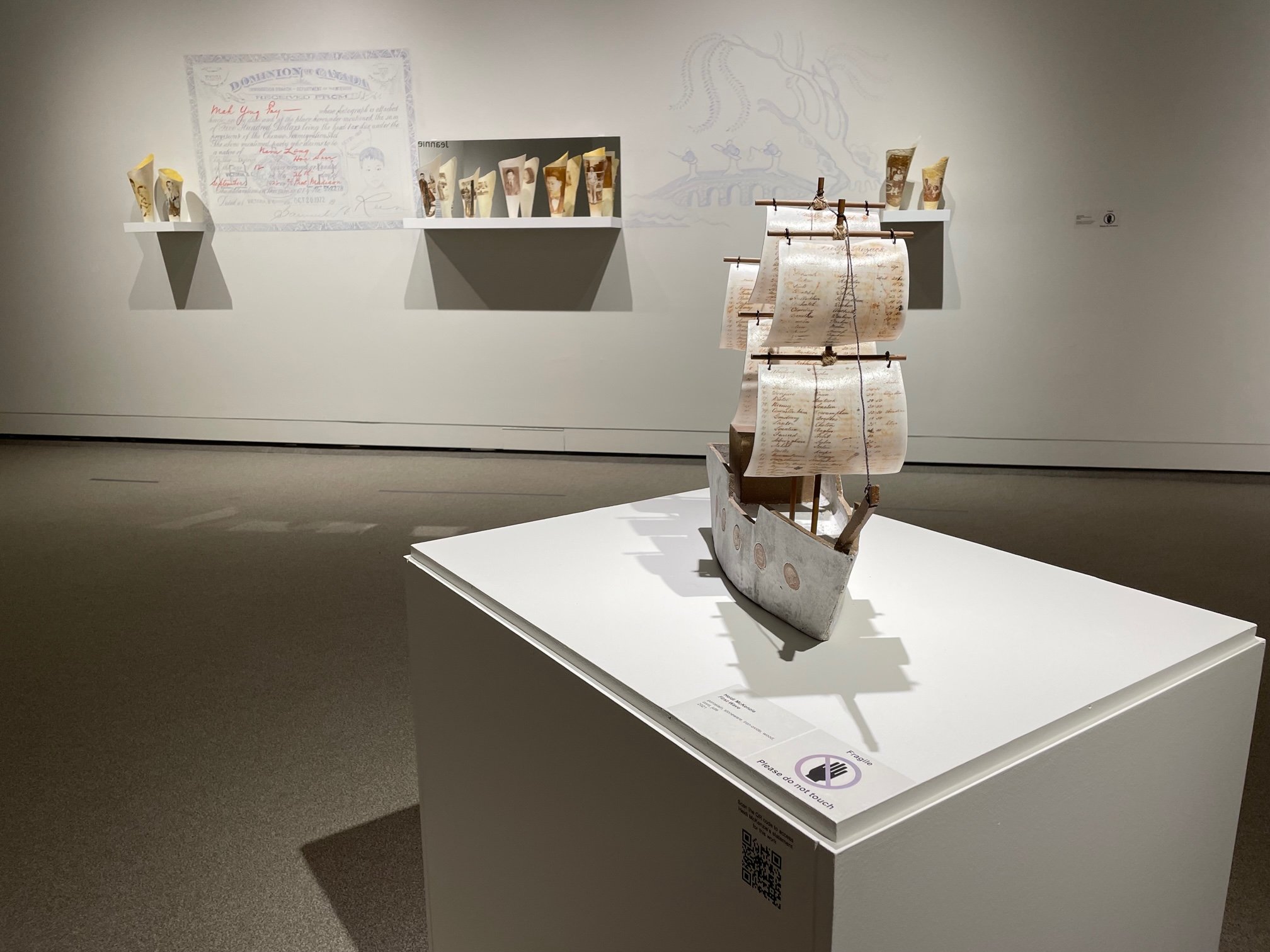
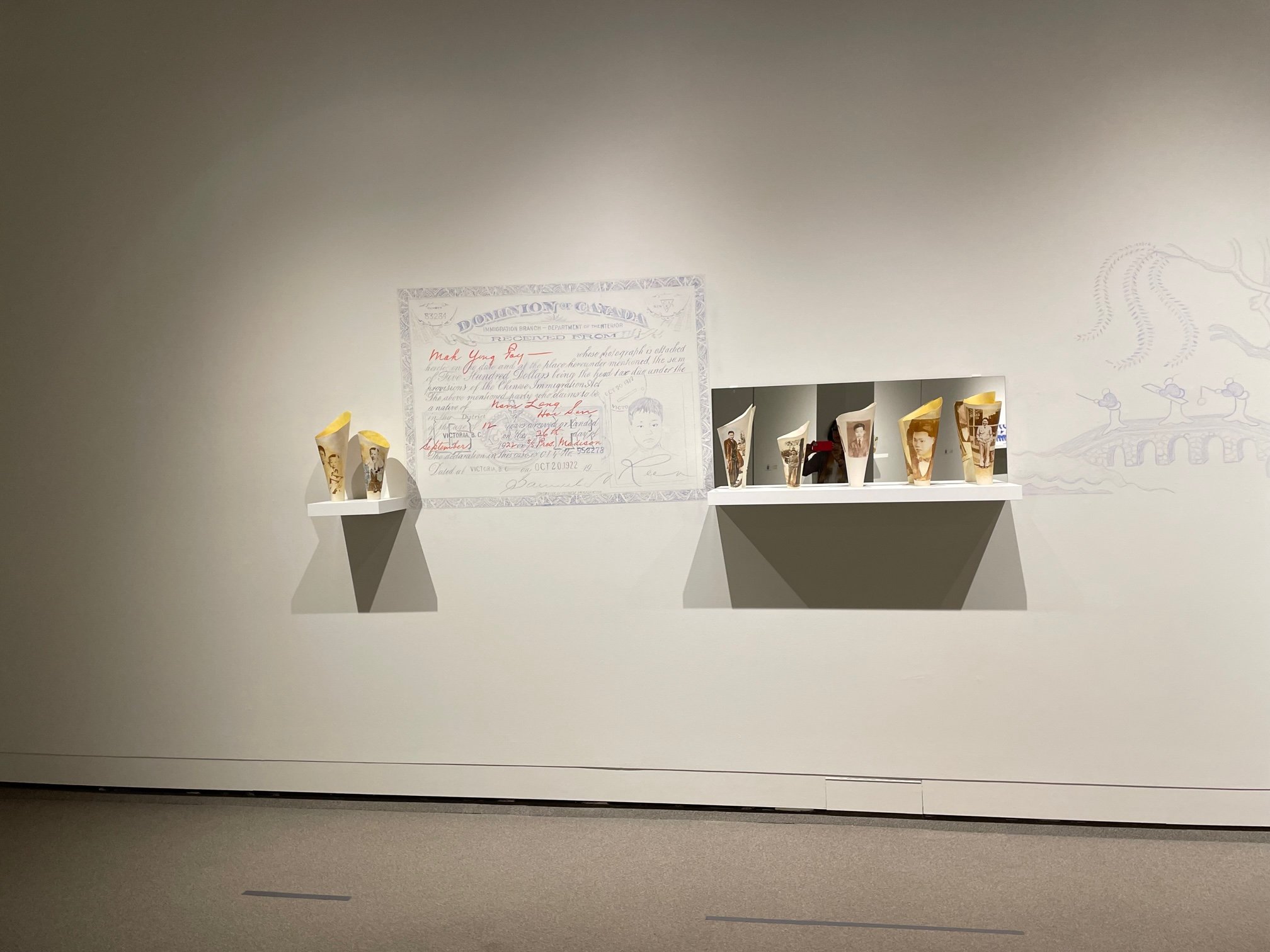
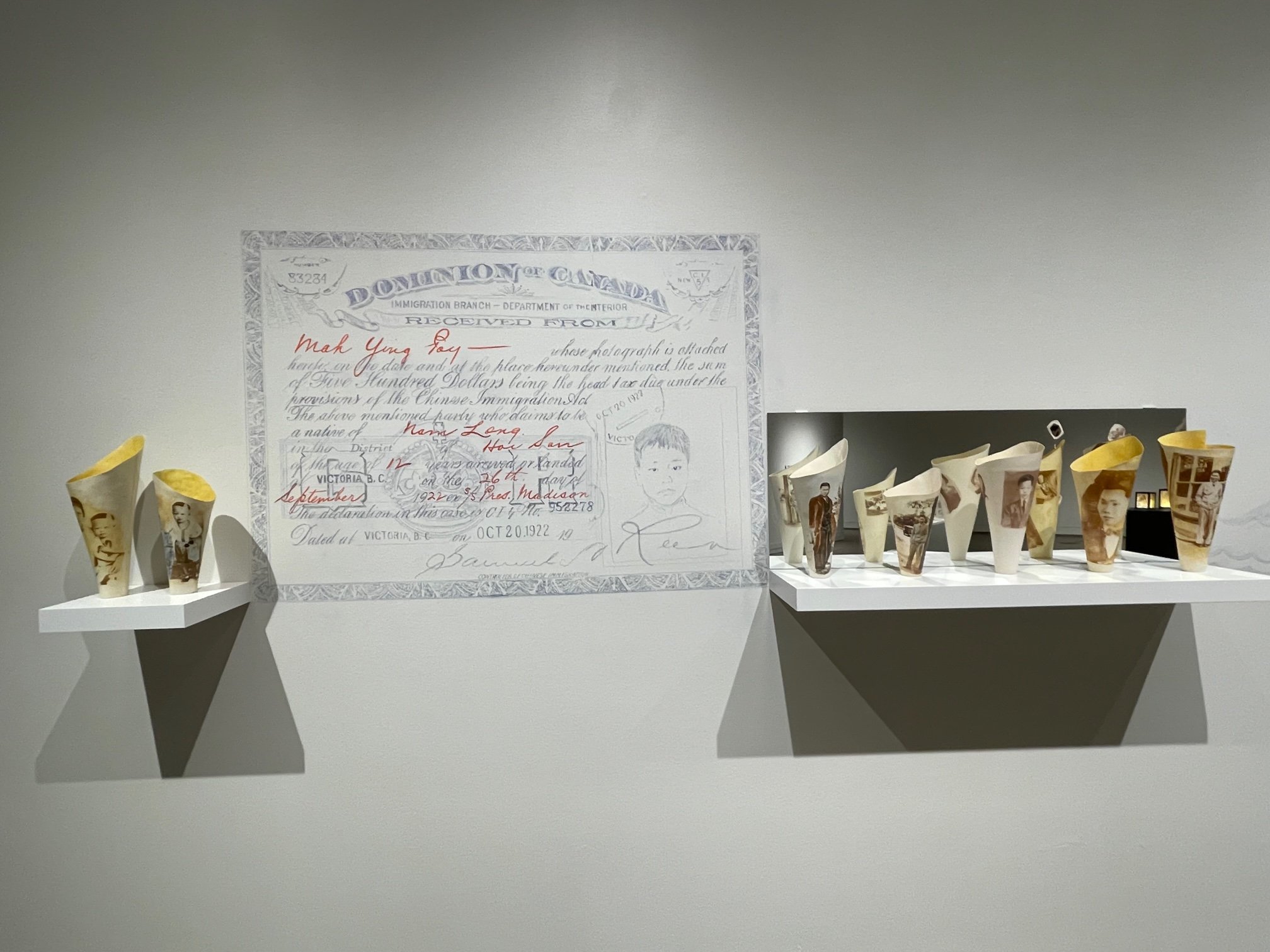
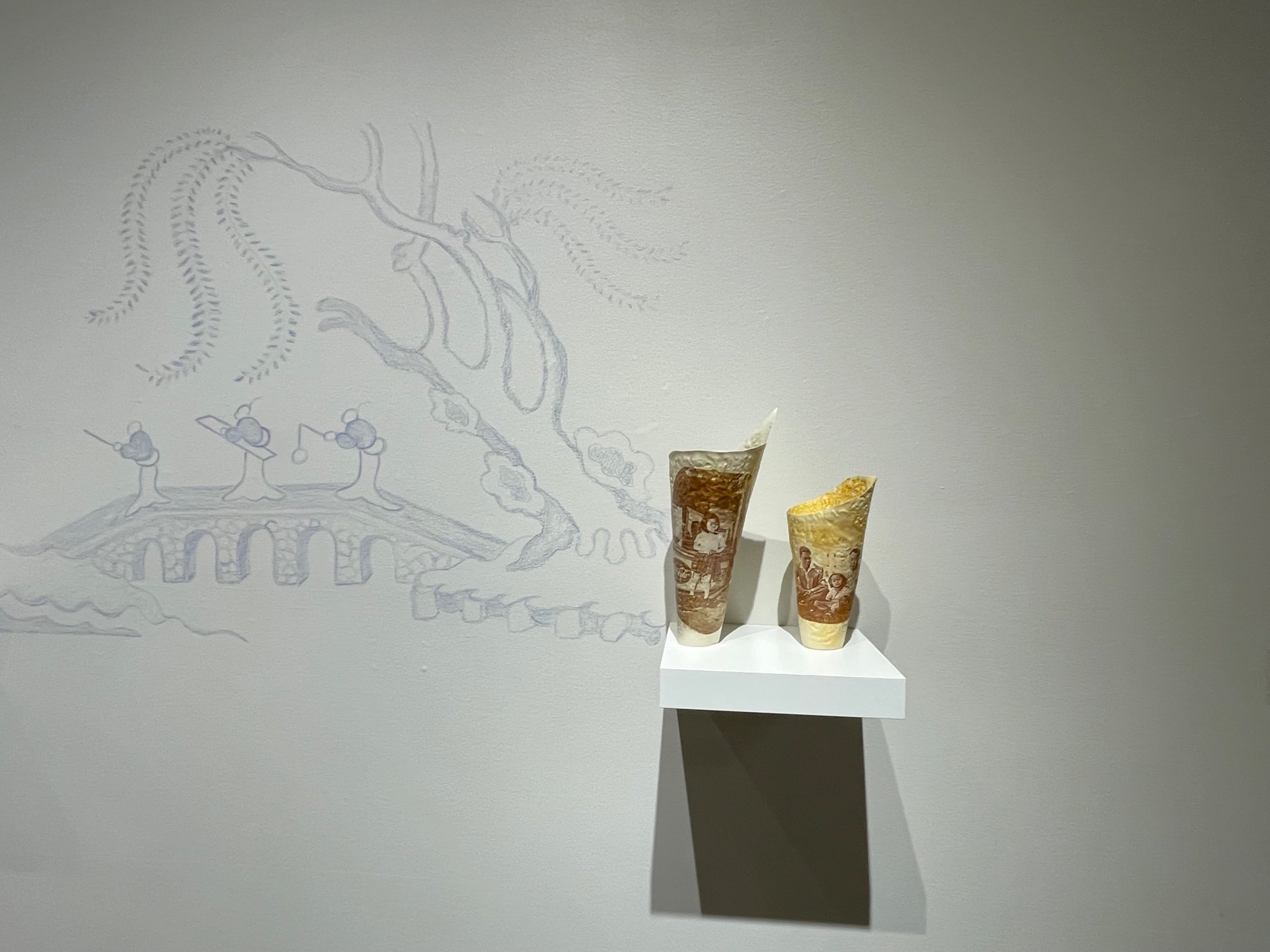
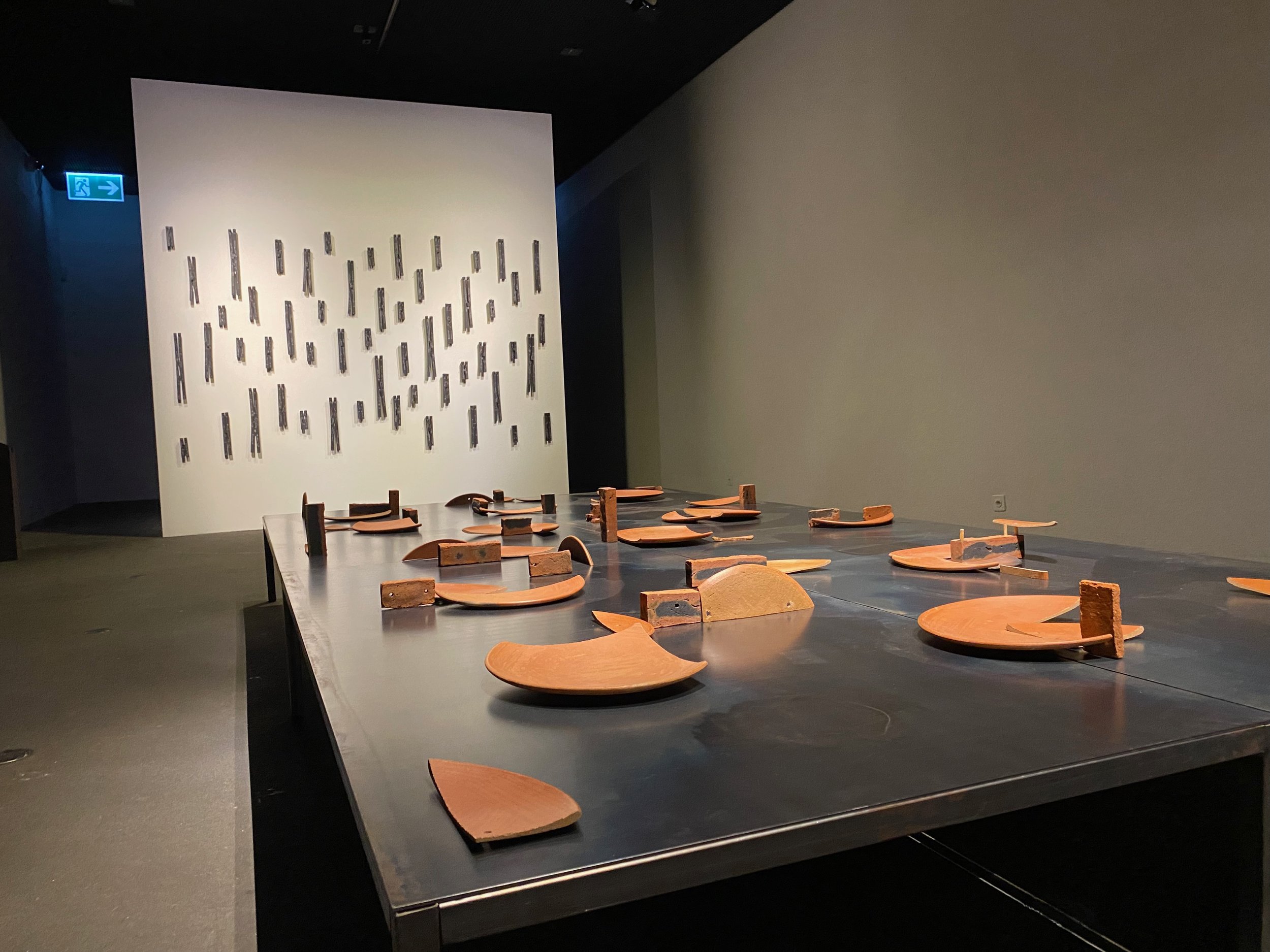
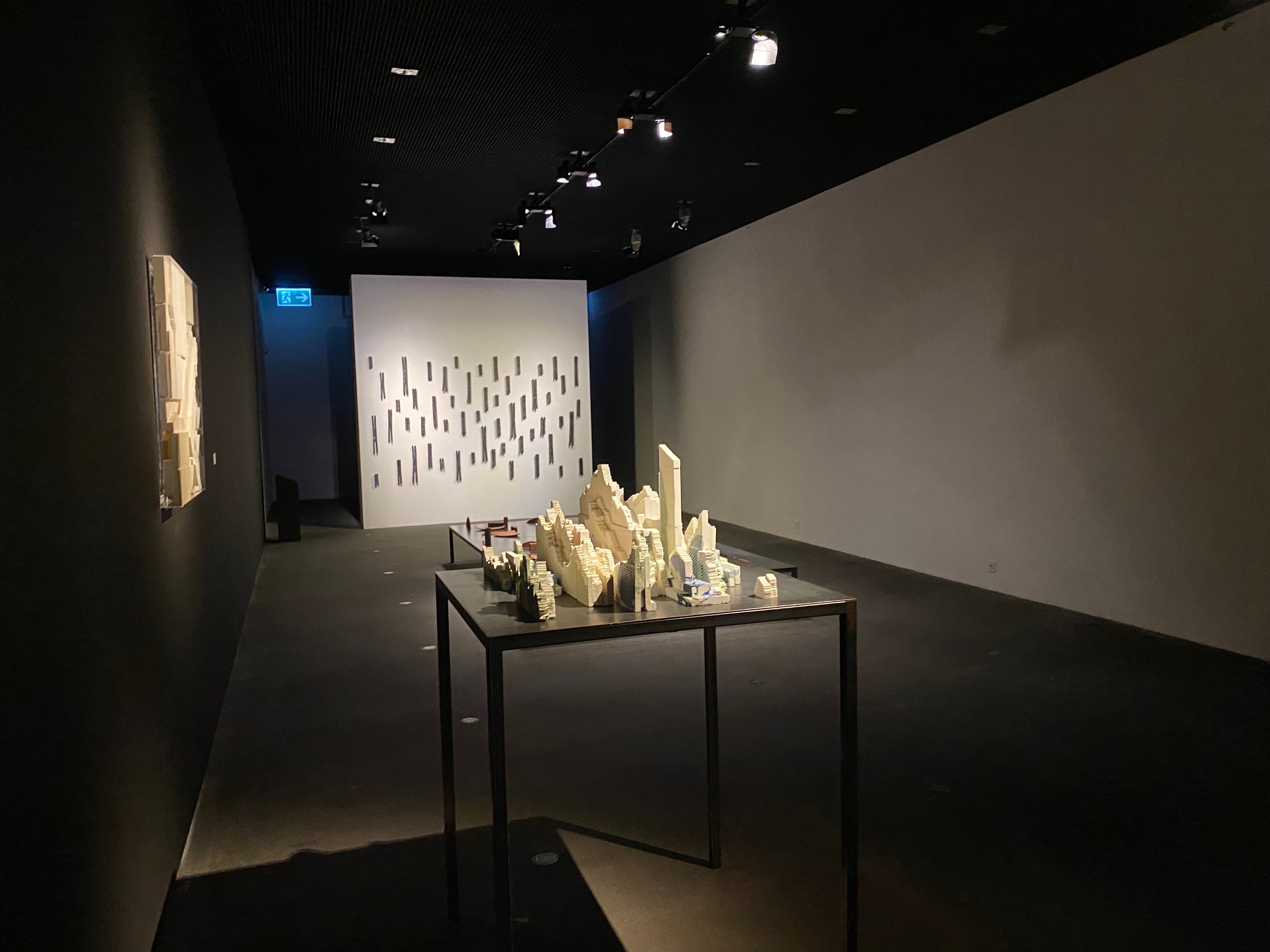
Mah’s work, Head Tax, seeks to mark the 100th anniversary of the Chinese Exclusion Act, which, in 1923, closed the door to all Chinese immigration until 1947. The Exclusion Act replaced the “Chinese Head Tax” which Canada imposed on Chinese immigrants starting in 1885. Mah’s father came to Canada alone in 1922 at age 12, one year before the Chinese Exclusion Act. His village paid the head tax of $500, now the equivalent of $8500, to send a son to “Gold Mountain”. His debt would be to repay the village from his net earnings. Returning home to marry in the 1930s, Mah’s mother and brother remained in China until 1950. ‘Ghost' images of Paul Mah’s (Mah Ying Poi) head tax certificate and a pattern detail of Blue Willow Bridge ware drawn directly on the gallery wall, ‘ghost images connect snapshots on porcelain pots of the artist’s family in China with those in Canada - all framing her father’s life in Canada, narrating a family story of lives bridging two continents. Mah explains, “As a Canadian child of immigrant parents, I have never ‘returned’ to China, so my research into Chinese porcelain is filtered through the European lens of art history. As I meander towards the Far East by way of museums, the historic object acts as a bridge to transport ideas and cultural values, via artifacts of the past to us in the ‘new world’ of the present.”
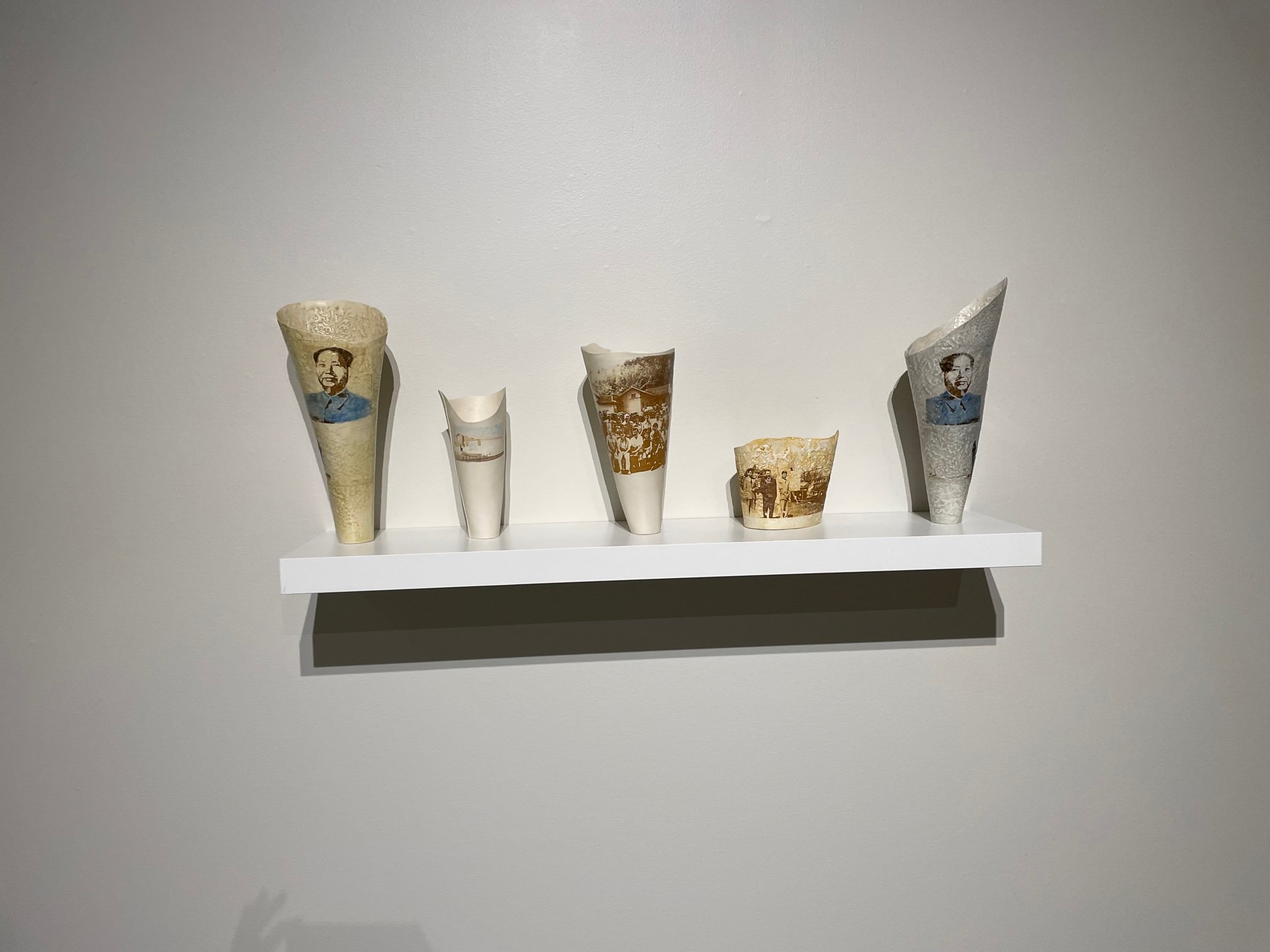
Mah‘s connection to China through museums and popular images is addressed in the work, From Mao’s House to Our House, speaking to the complexities of identity as insider/ outsider and native/ tourist. Images on five vessels montage several histories and narratives together: the Mah family in Canada – in front of their house and family store in Regina, their return to China as tourists in the 1970s and posing in front of Mao’s house in Shaoshan, Hunan. These images are flanked by Jeannie playing tourist in the Metropolitan Museum in New York, on both ends. Mah, as museum visitor, is presented as diminutive in front of Warhol’s pop culture icons of Mao, suggesting a disconnect or distance from the history of the Cultural Revolution.
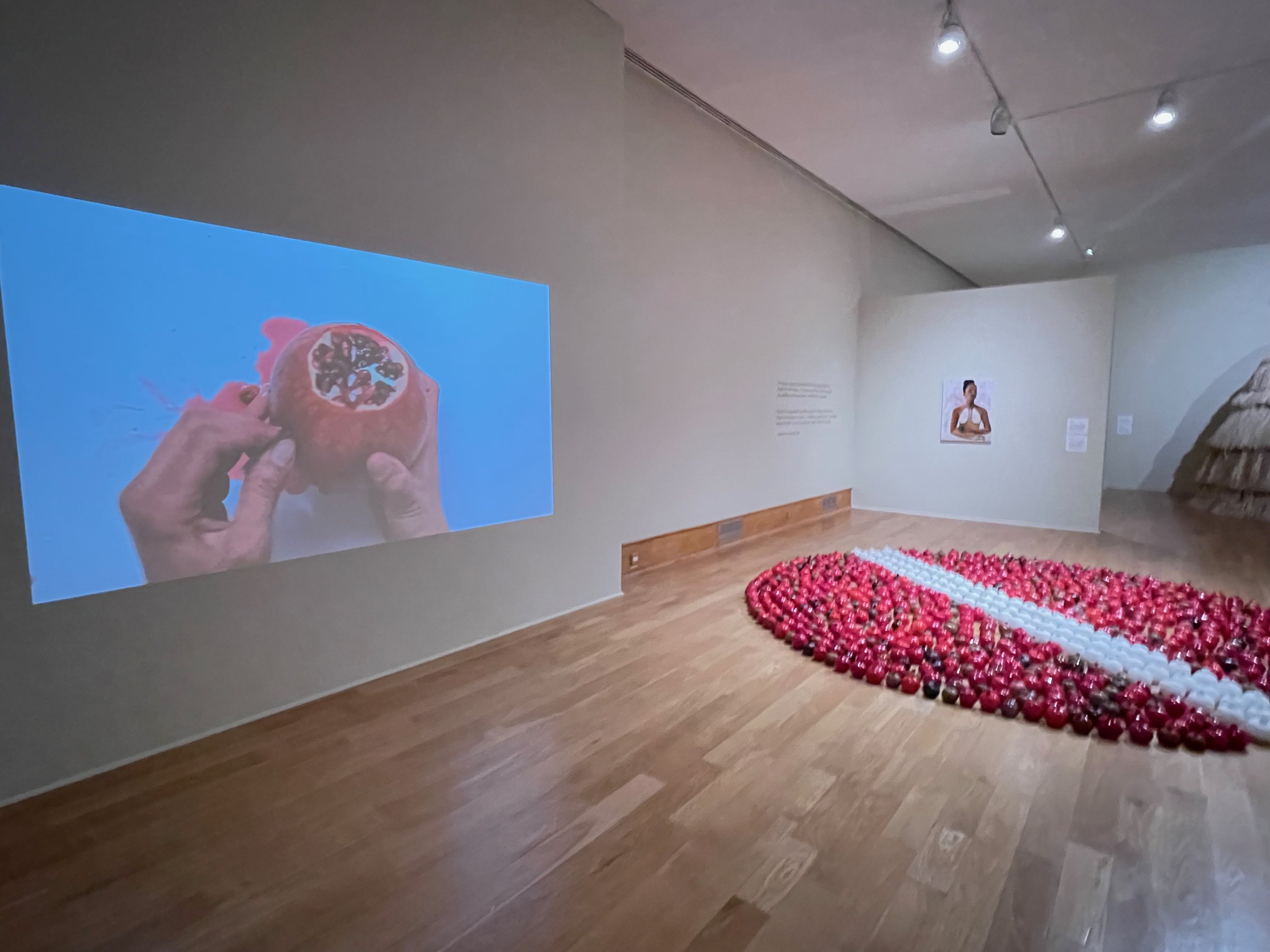
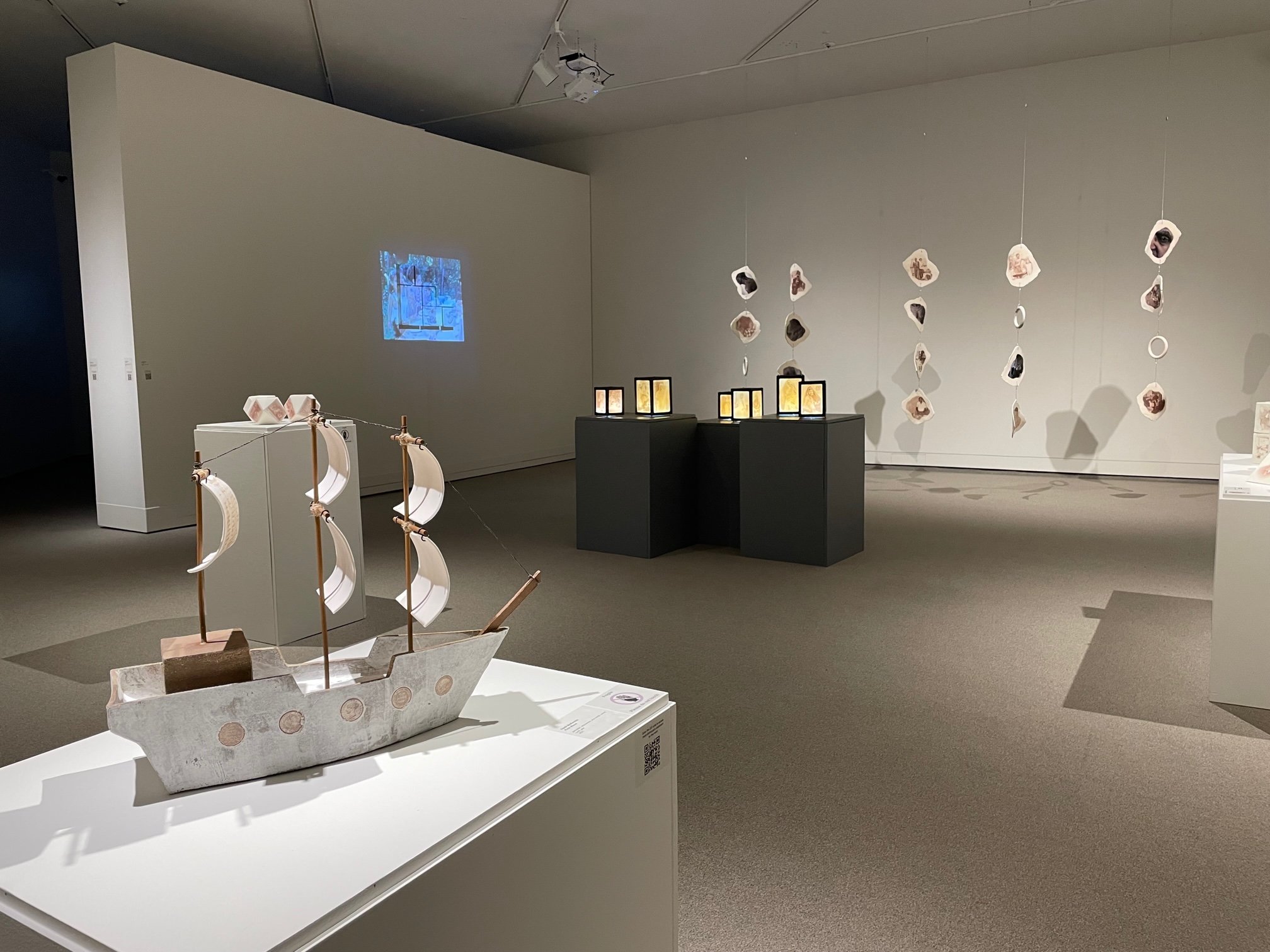
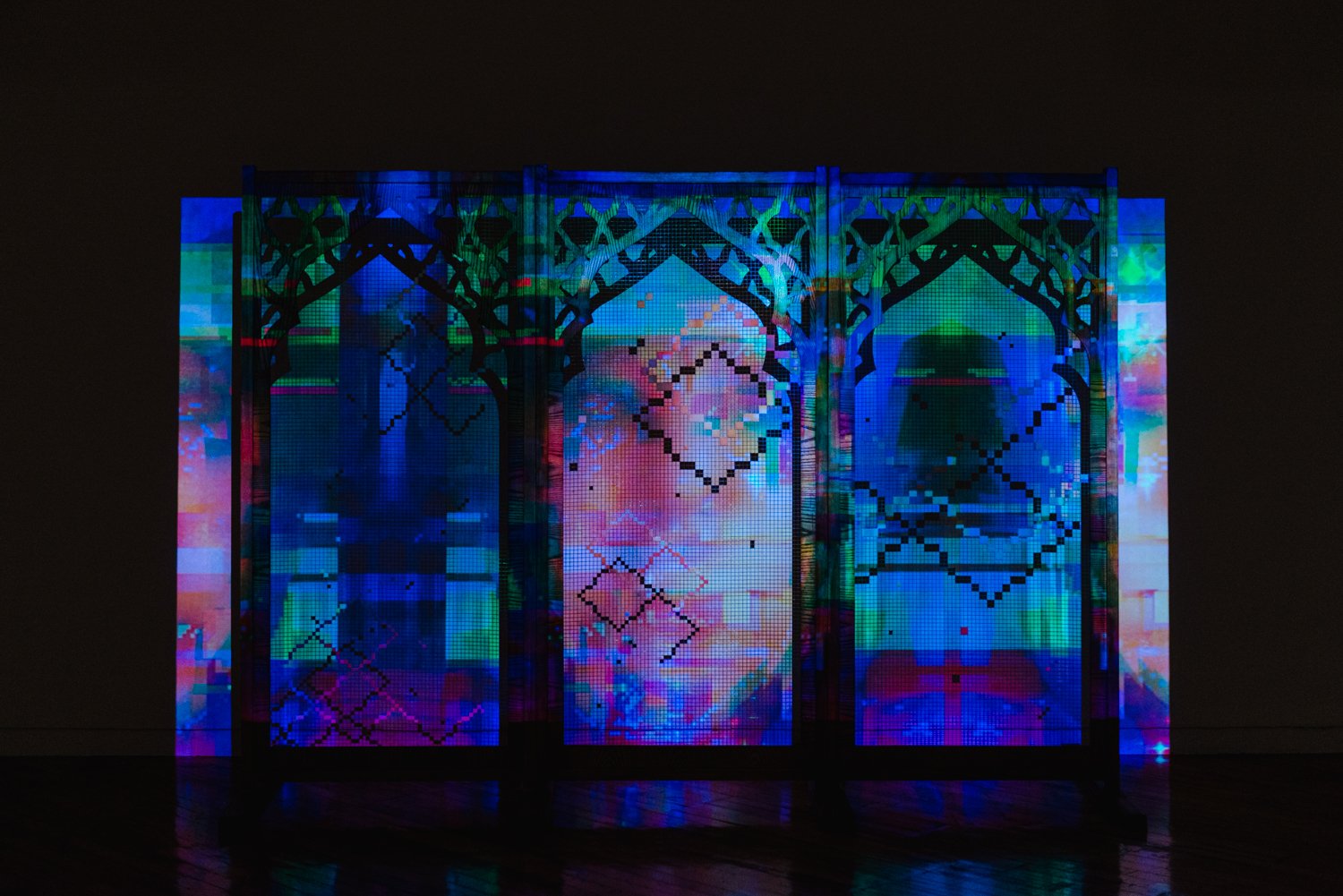
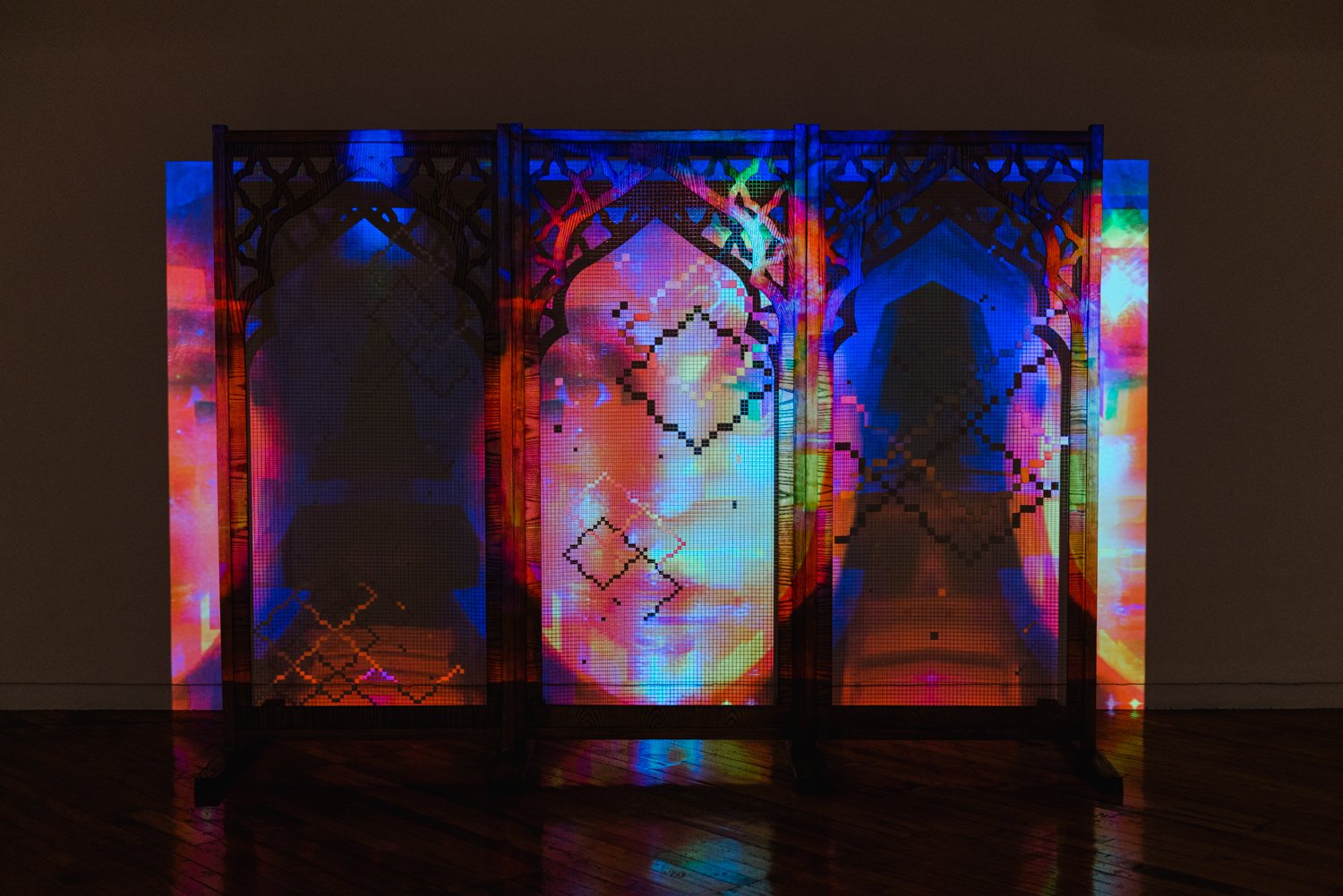
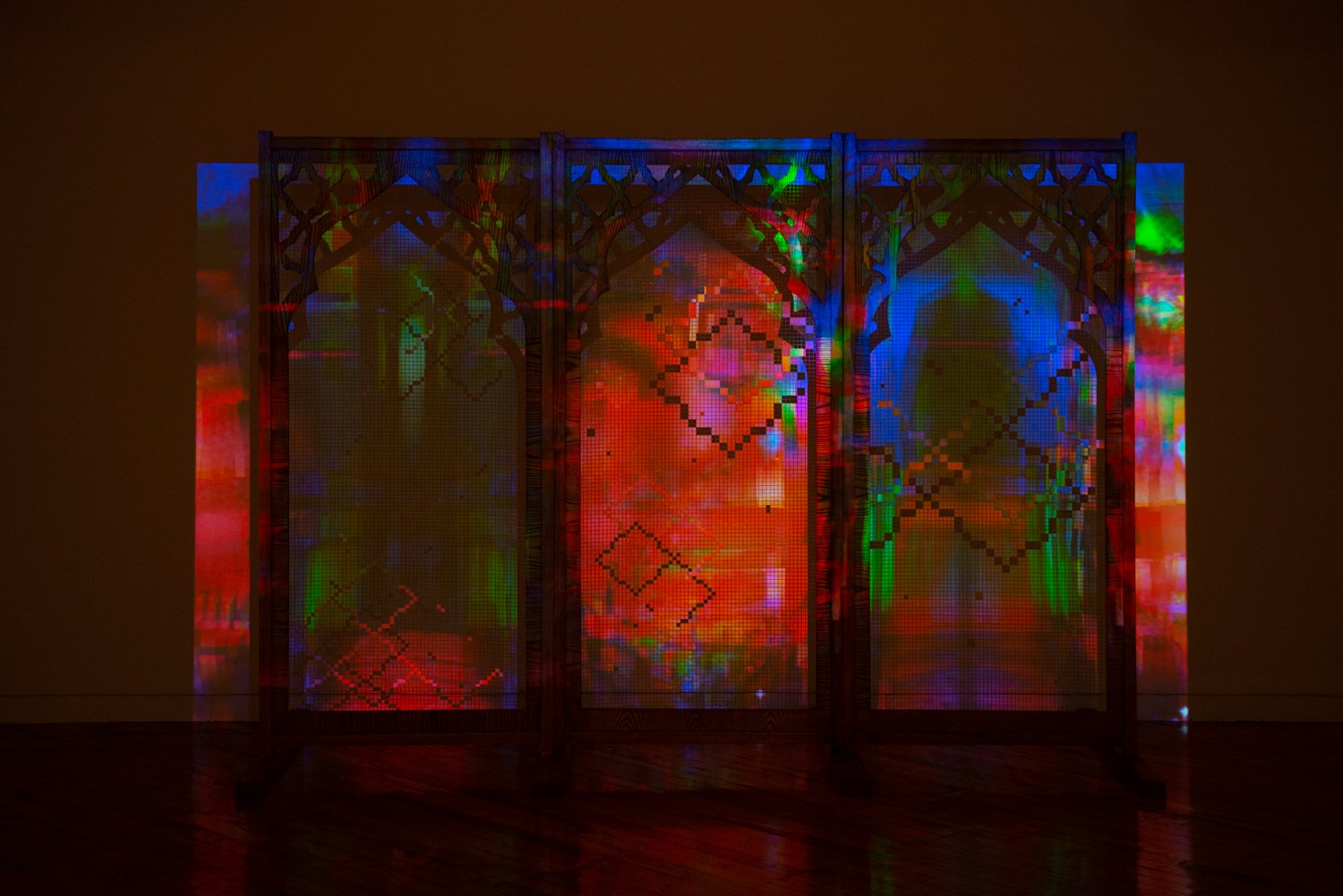
In the video projection/installation, I am Blue Mikado, Mah plays with her Asian identity, “travelling towards the East by way of English bone china”. By isolating two figures in a landscape featured on a Royal Crown Derby, Blue Mikado dinner plate, Mah inserts herself into the scene in a poised and centred porcelain vessel, superimposing her own Canadian-born, southern-China face into a Japanese scene re-imagined by 19th century potters in Derby, England. In the drawn traces of a Blue Mikado dinner plate on the gallery wall and an overlaid video projection that fades in and out, Mah alludes to the history of European Chinoiserie, of cross-cultural appropriation and reinterpretation of blue-and-white porcelain driven by global trade and consumer desire for the exotic.
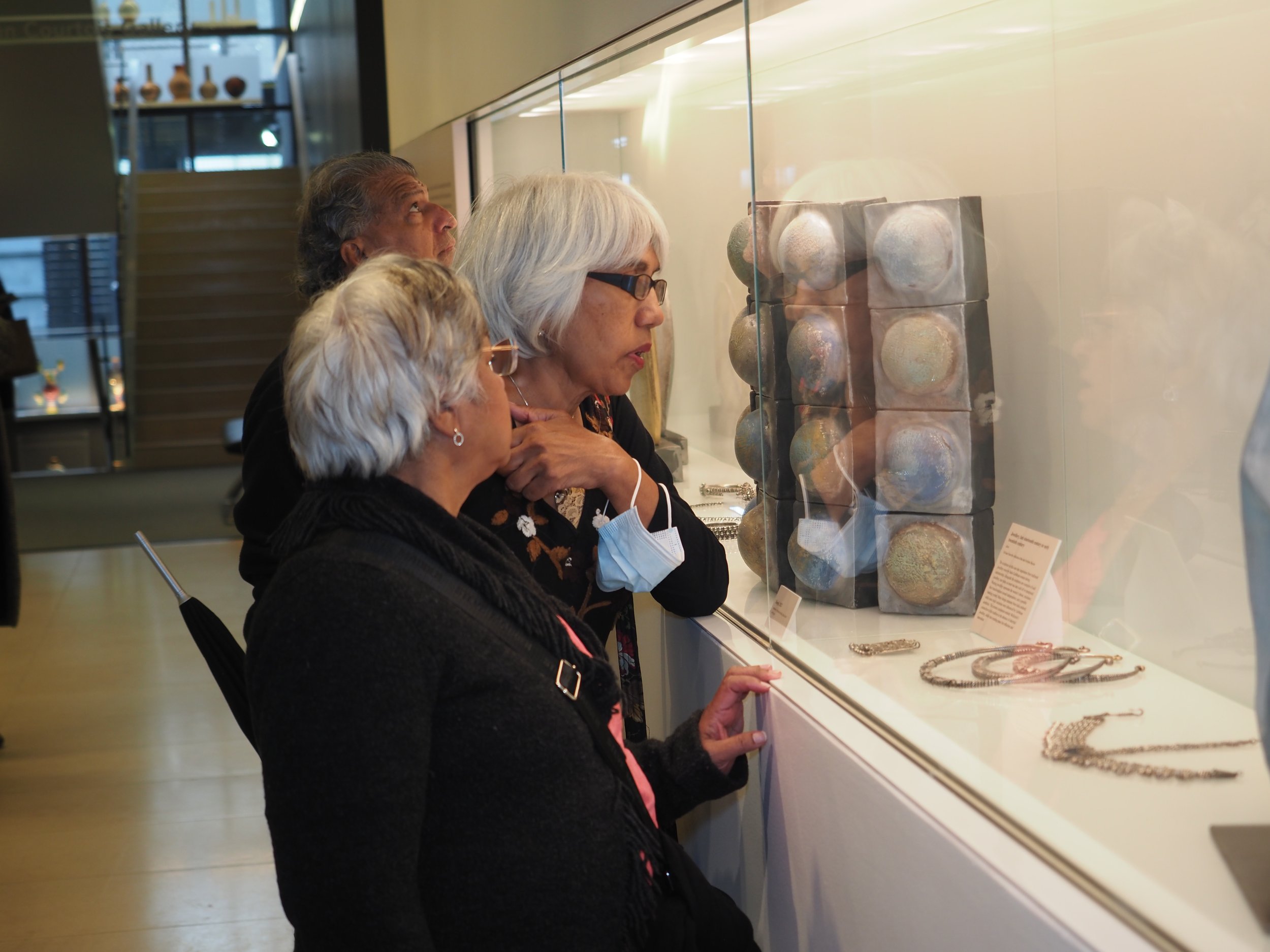
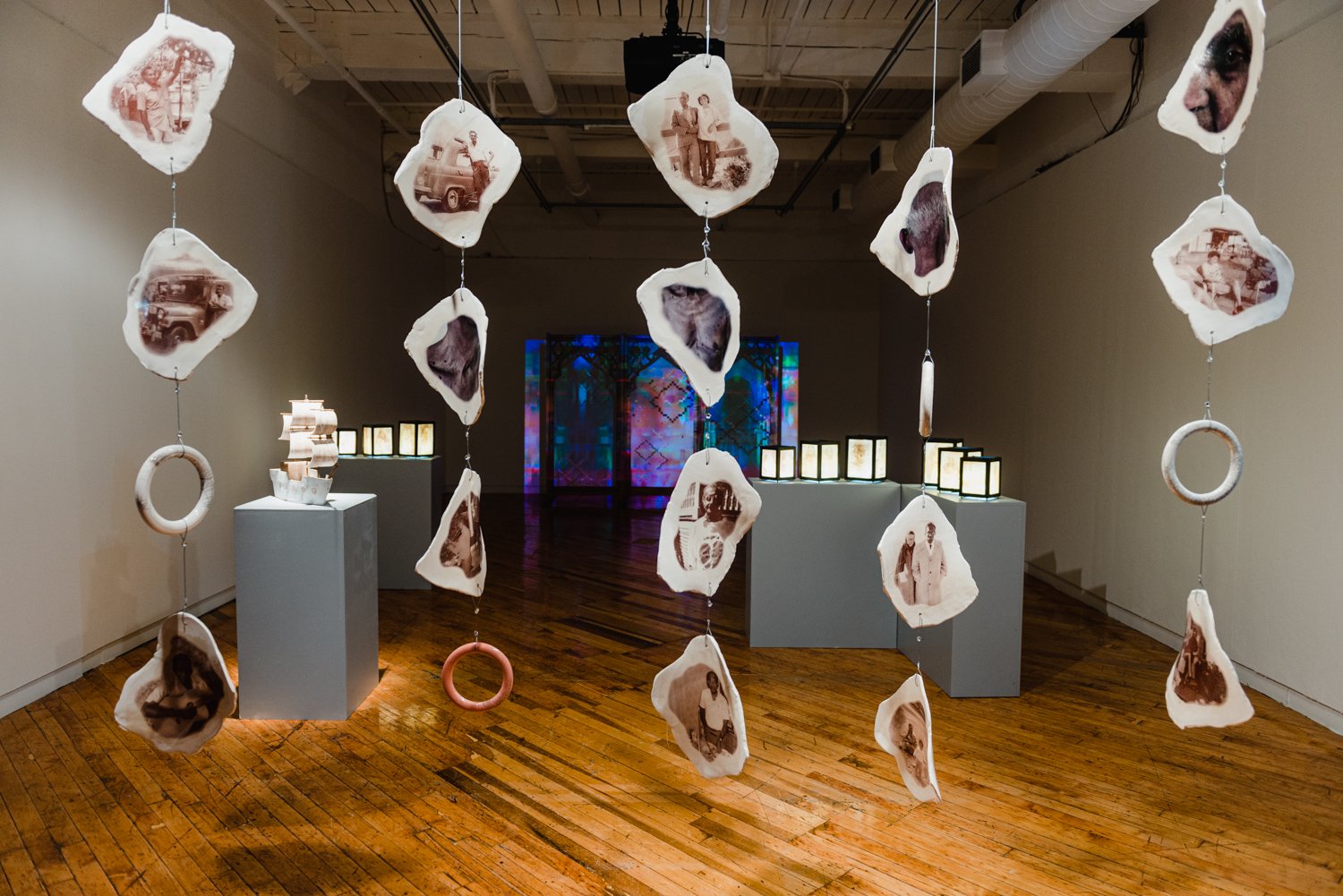
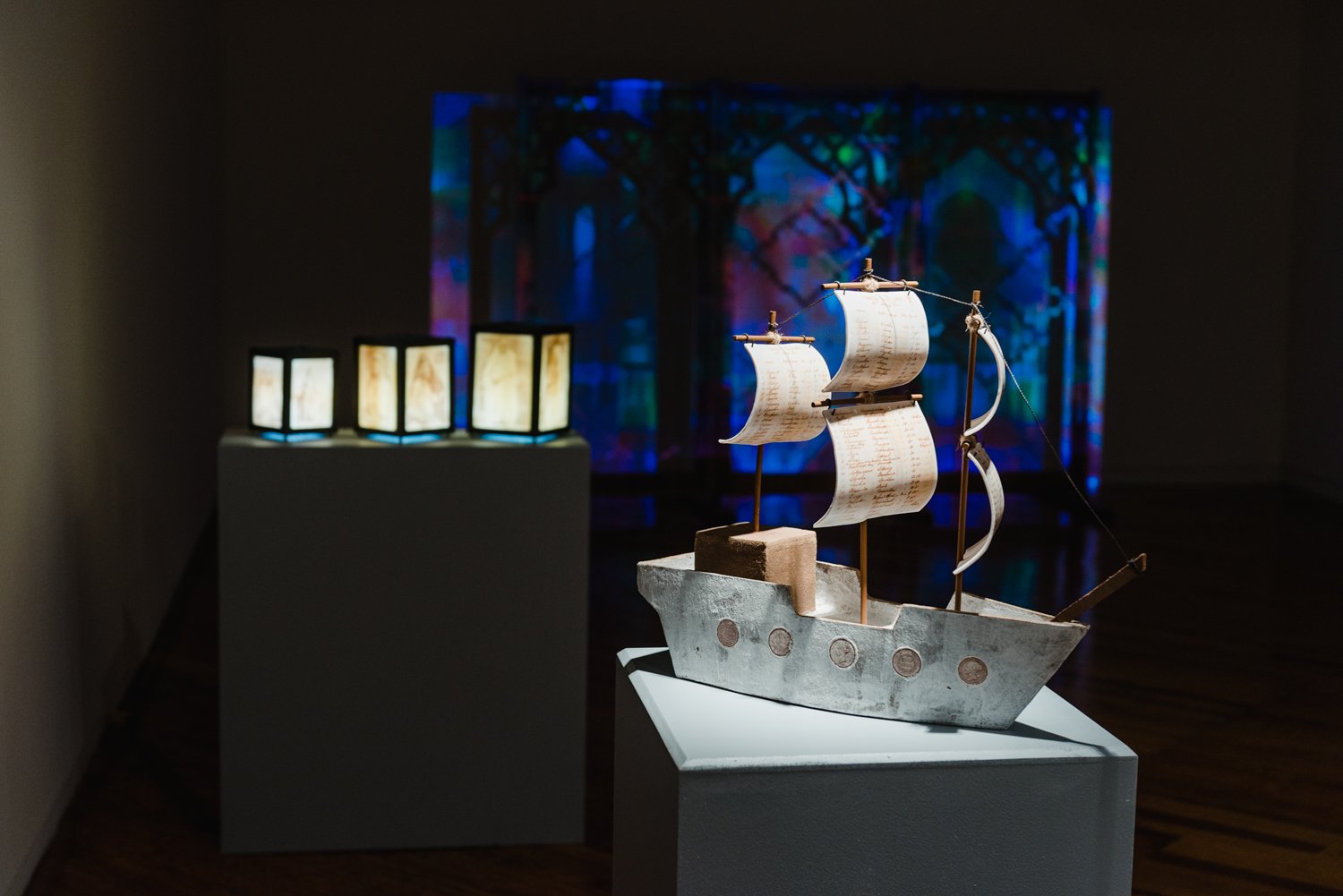
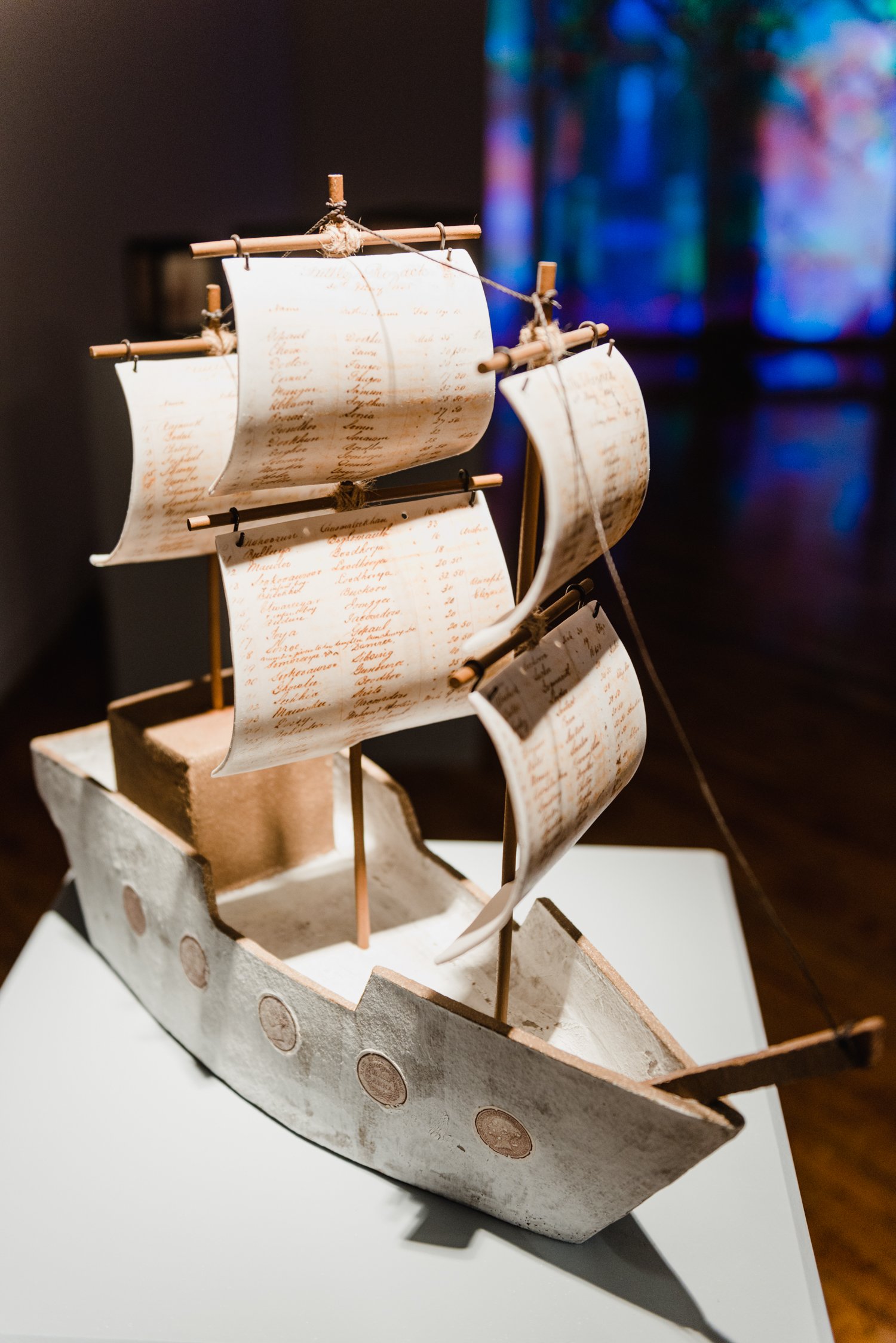
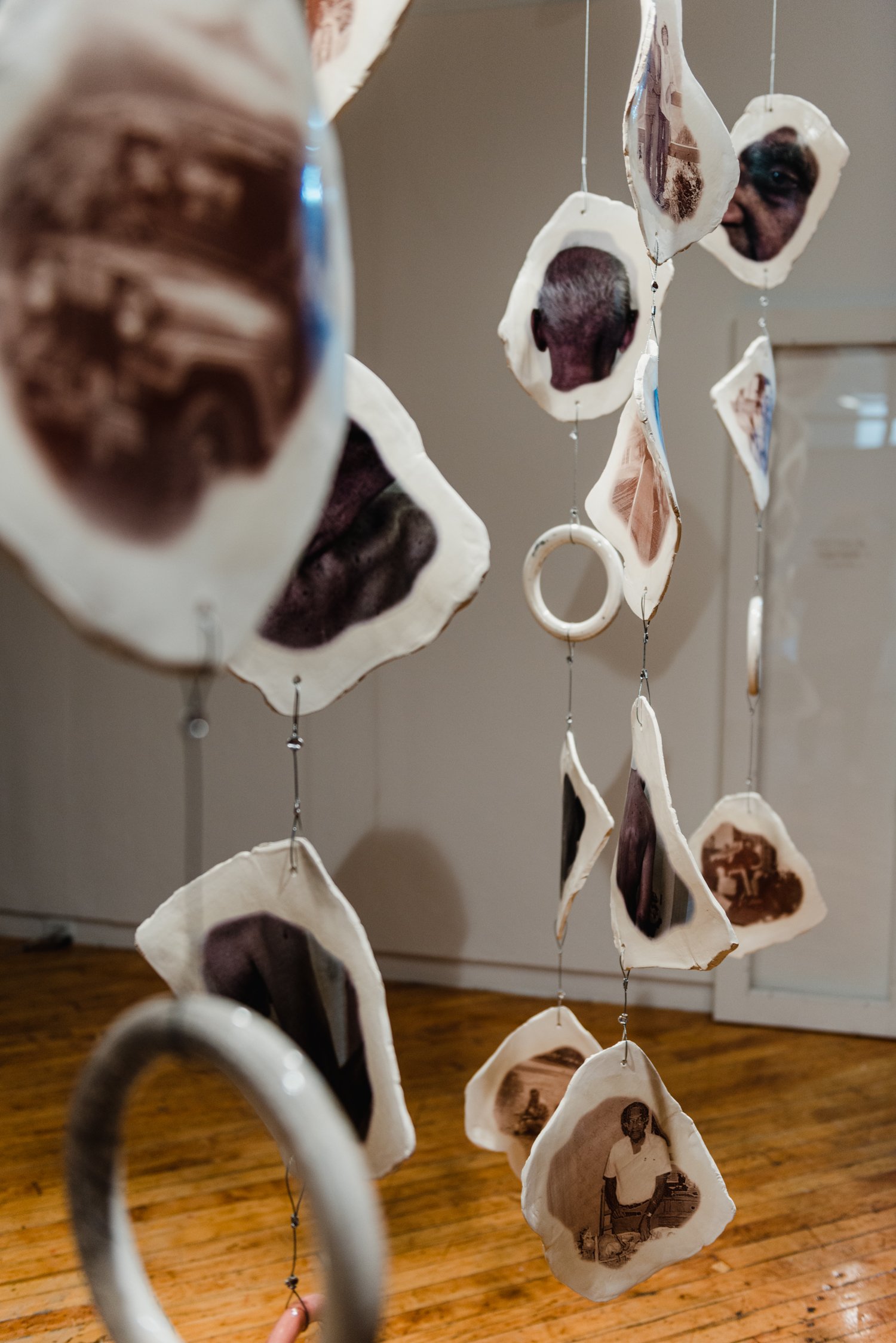
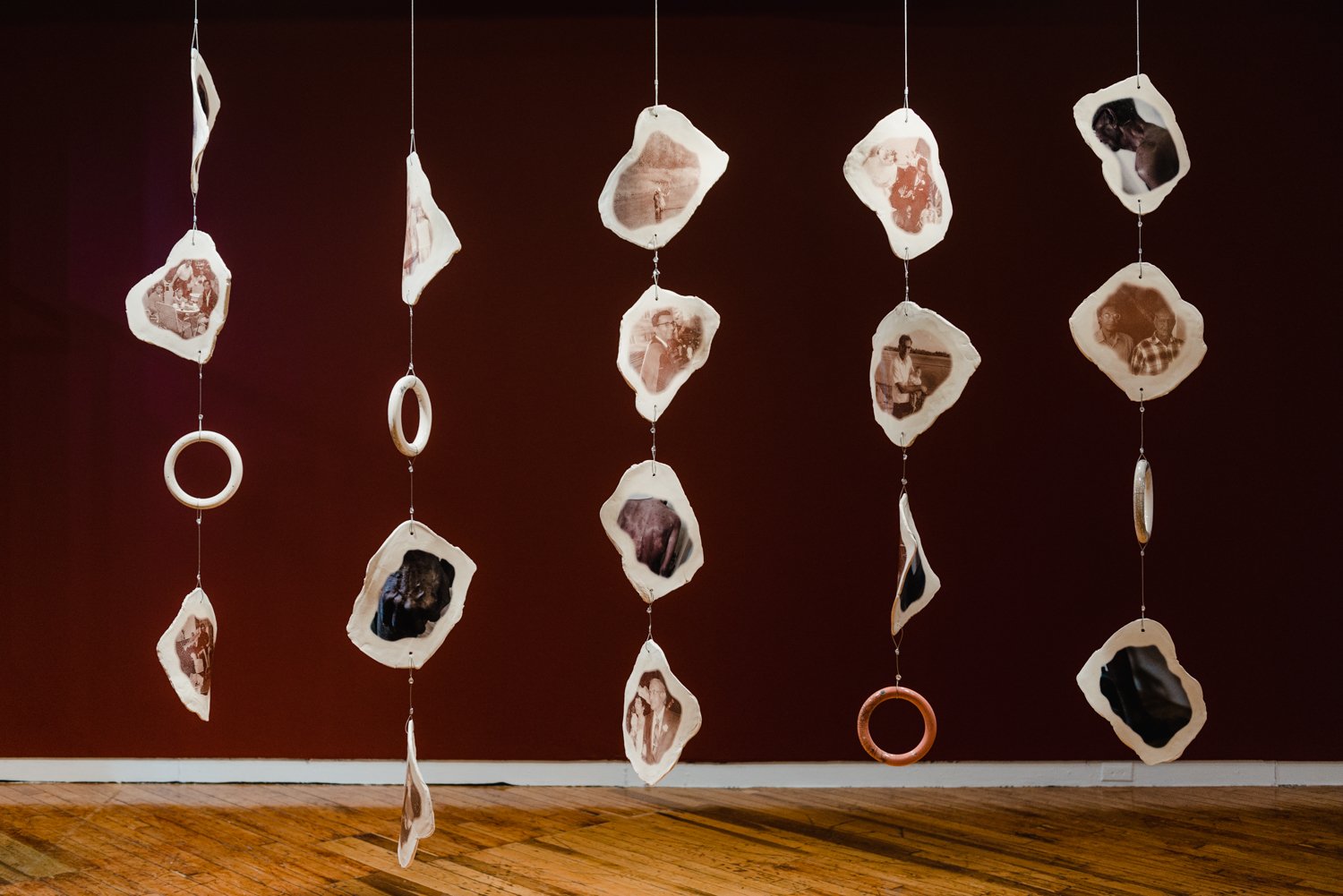
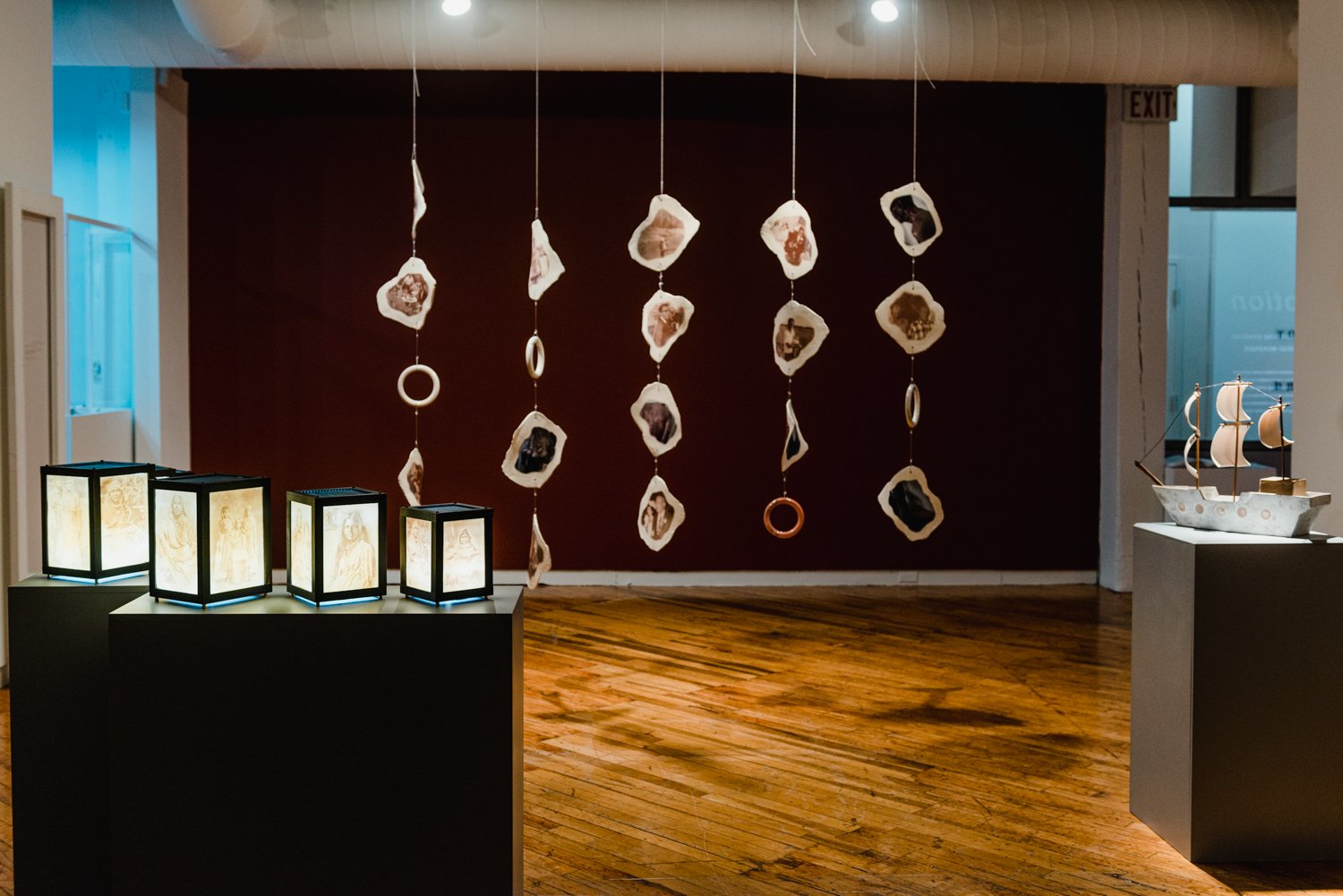
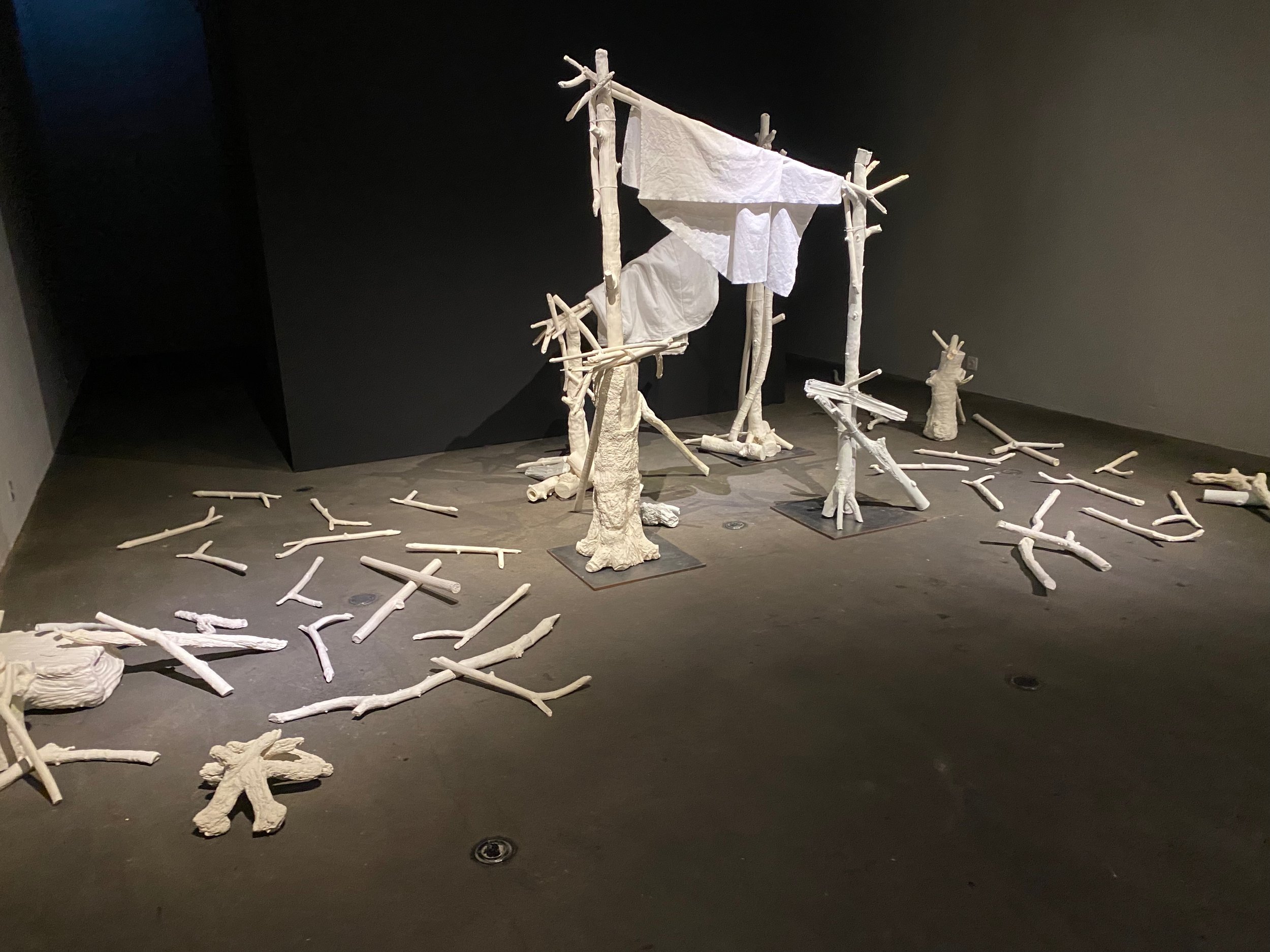
Heidi McKenzie’s mixed-media, ceramic installations feature sepia photographs printed on porcelain forms and video projection to speak of family history and the stories of her ancestors, and negotiating her own hybrid identity as a person of mixed Indo-Caribbean and Irish American ancestry. McKenzie’s father, Joseph Addison McKenzie, immigrated to Canada from Trinidad in 1953 at the age of 23, before Canada repealed its whites-only immigration policy in 1969. His ancestors crossed the seas from India to the Caribbean in the mid 19th century as indentured workers, who replaced/displaced the African slaves. Trinidad’s National Archives released the ships’ manifest to the public in 2020 to mark 175 years since arrival. The manifest graces the sails of her work, First Wave, which also features coins of British India from the time of this migration.
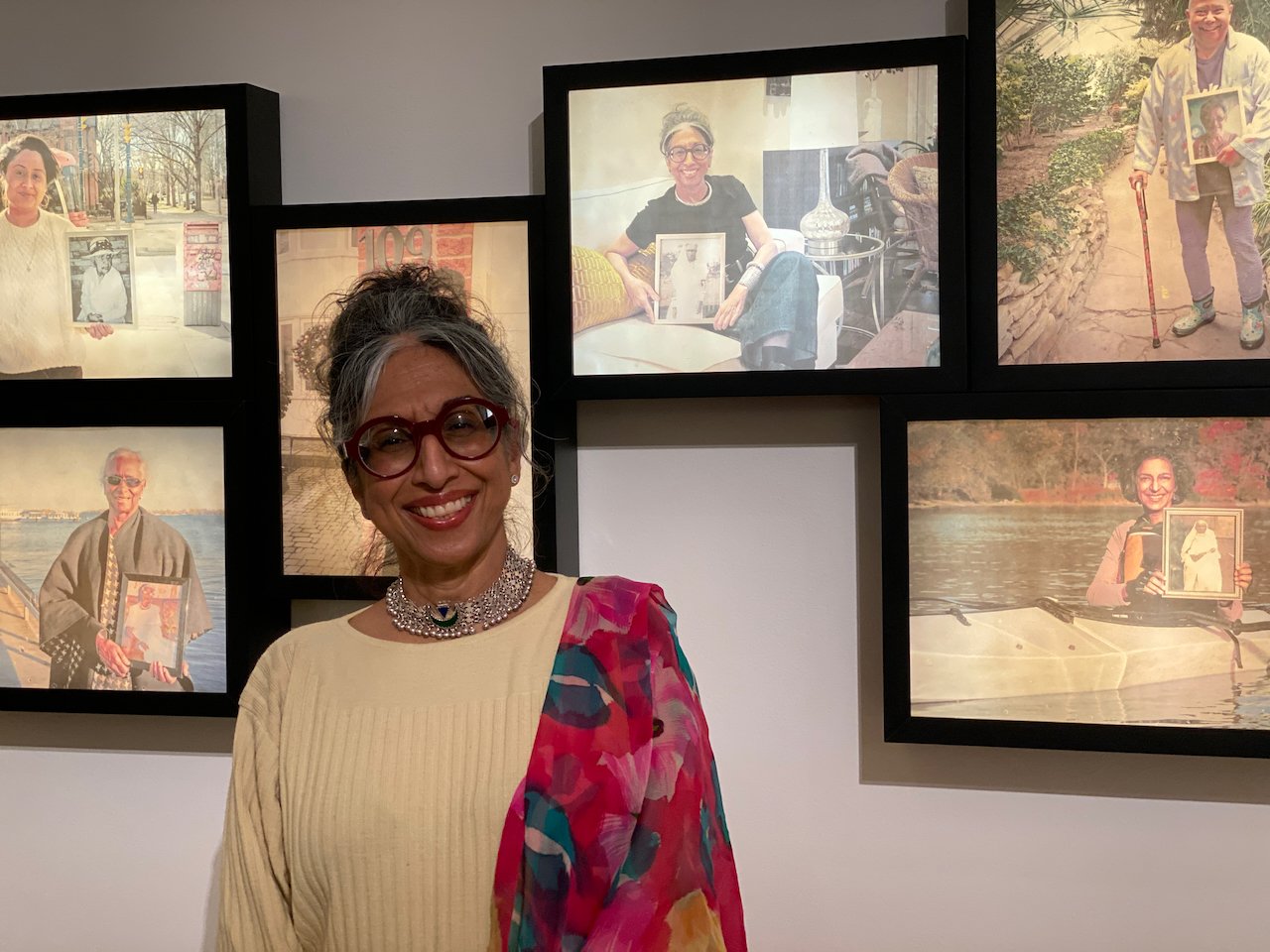
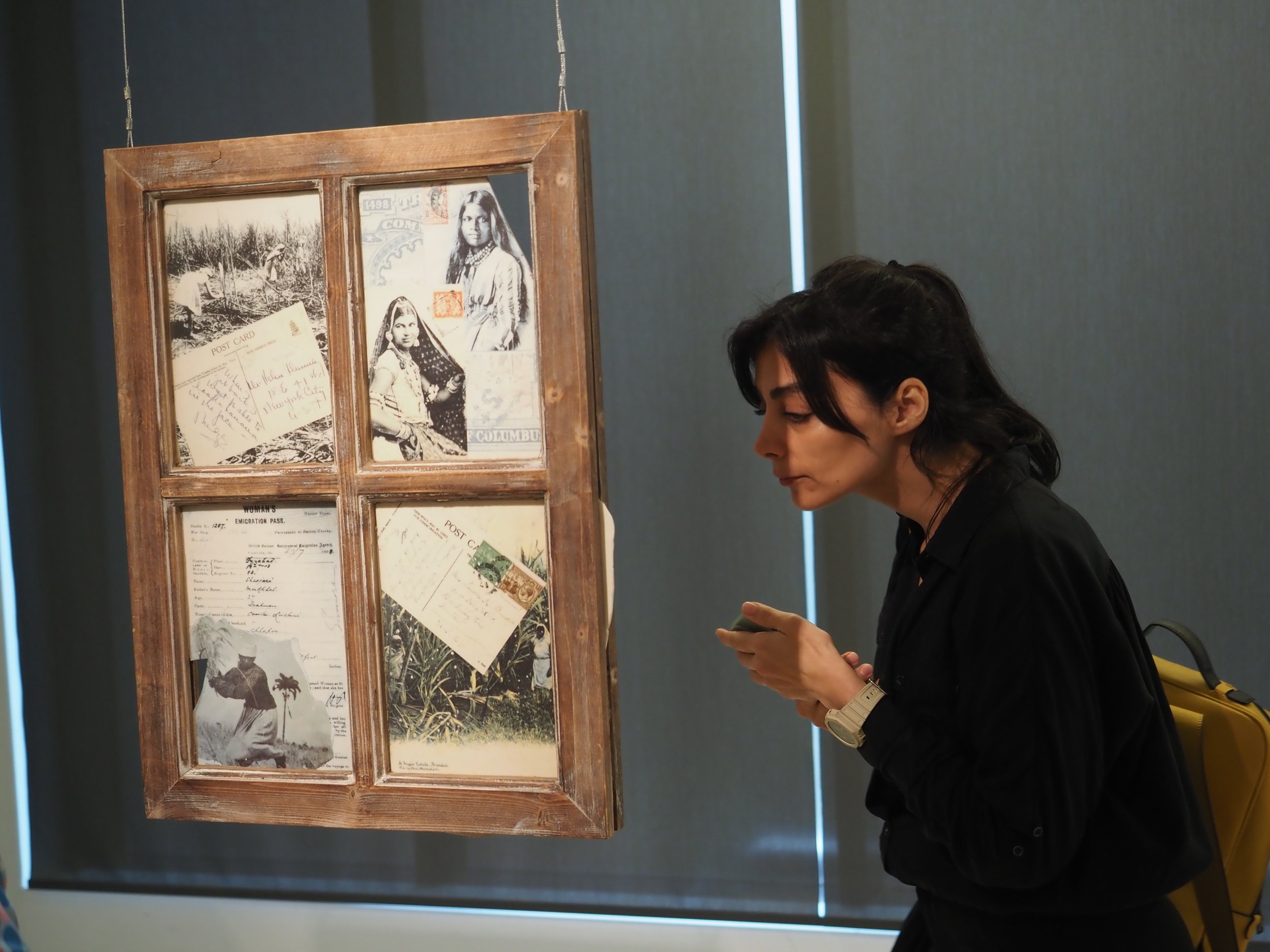
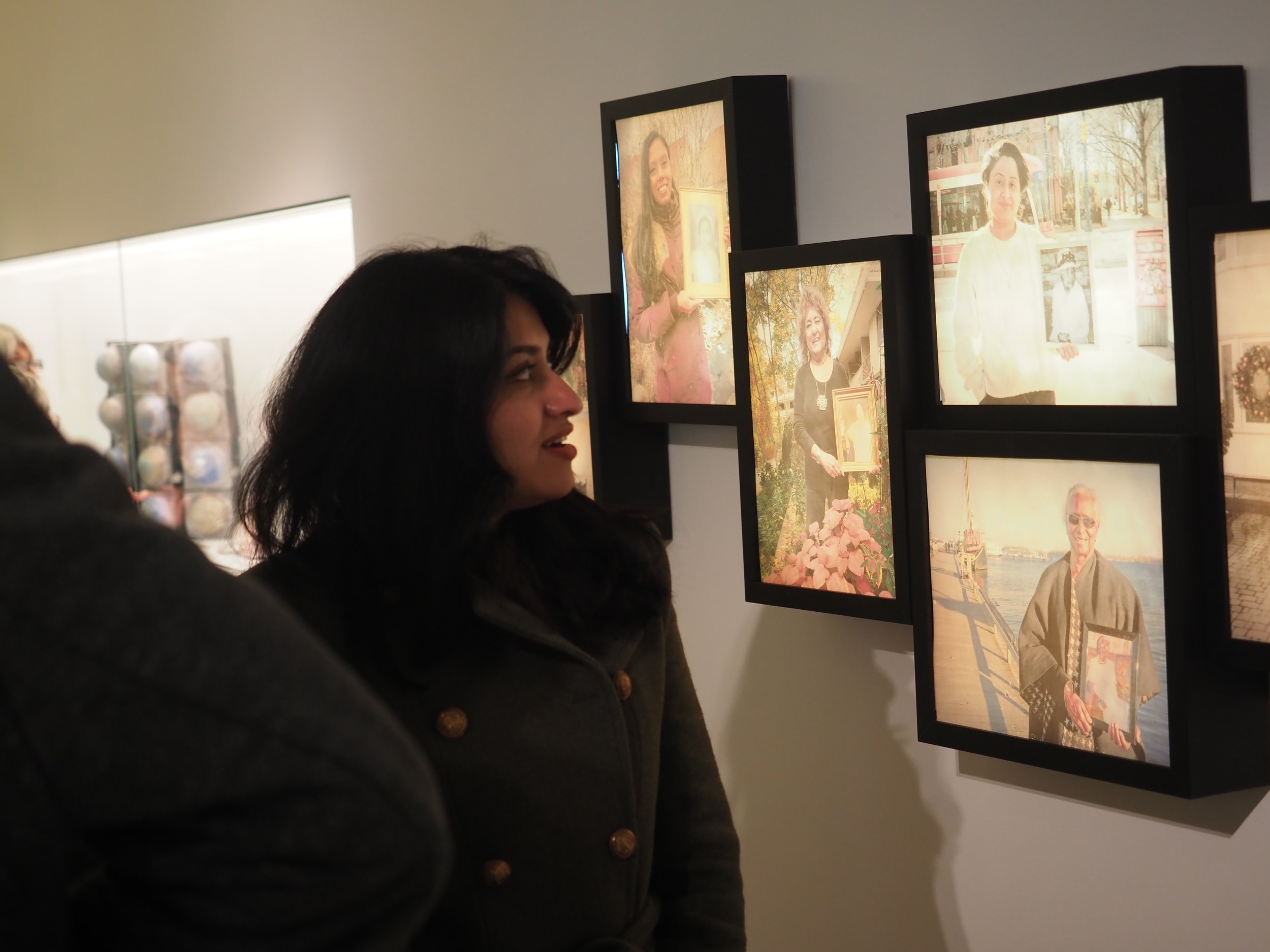
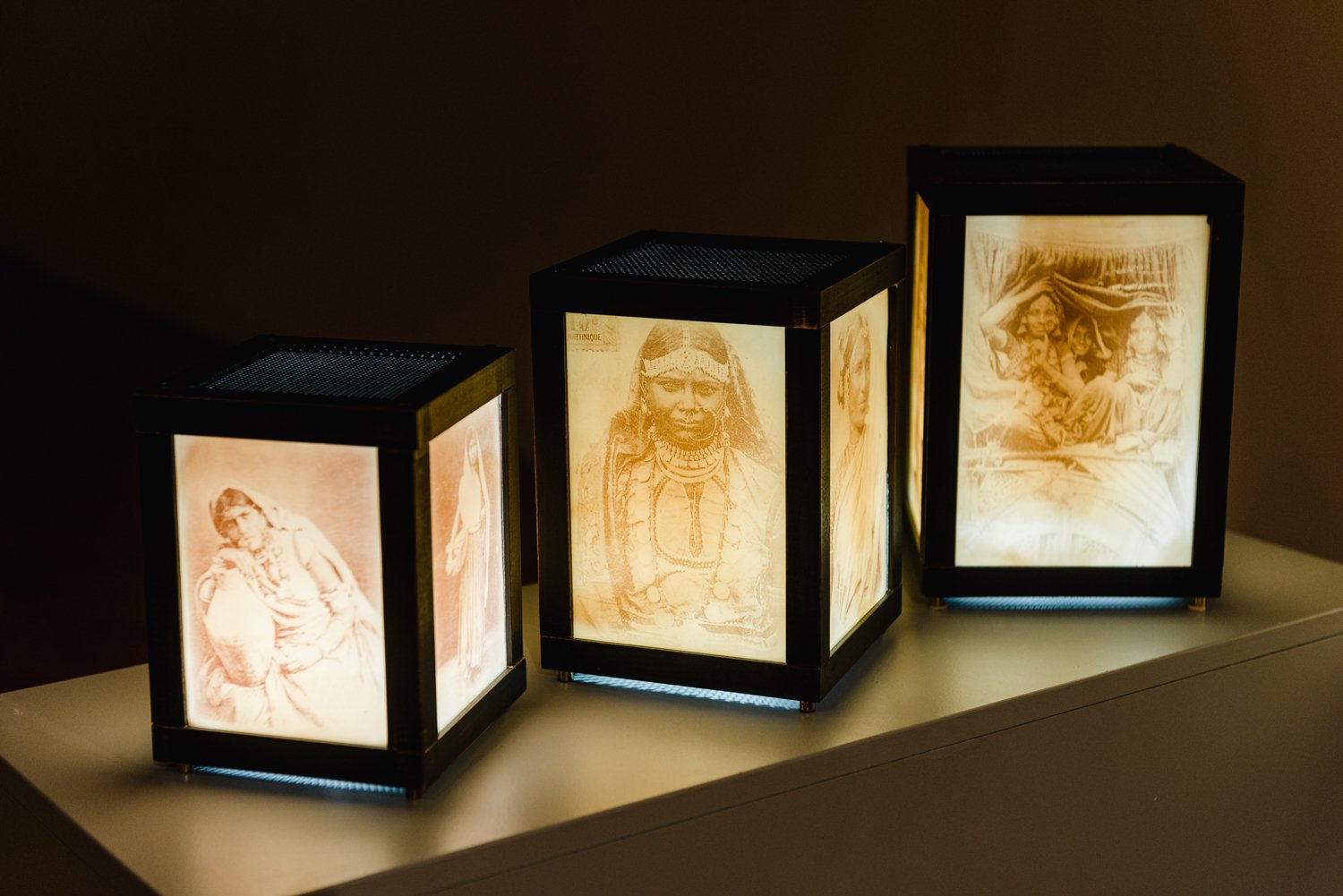
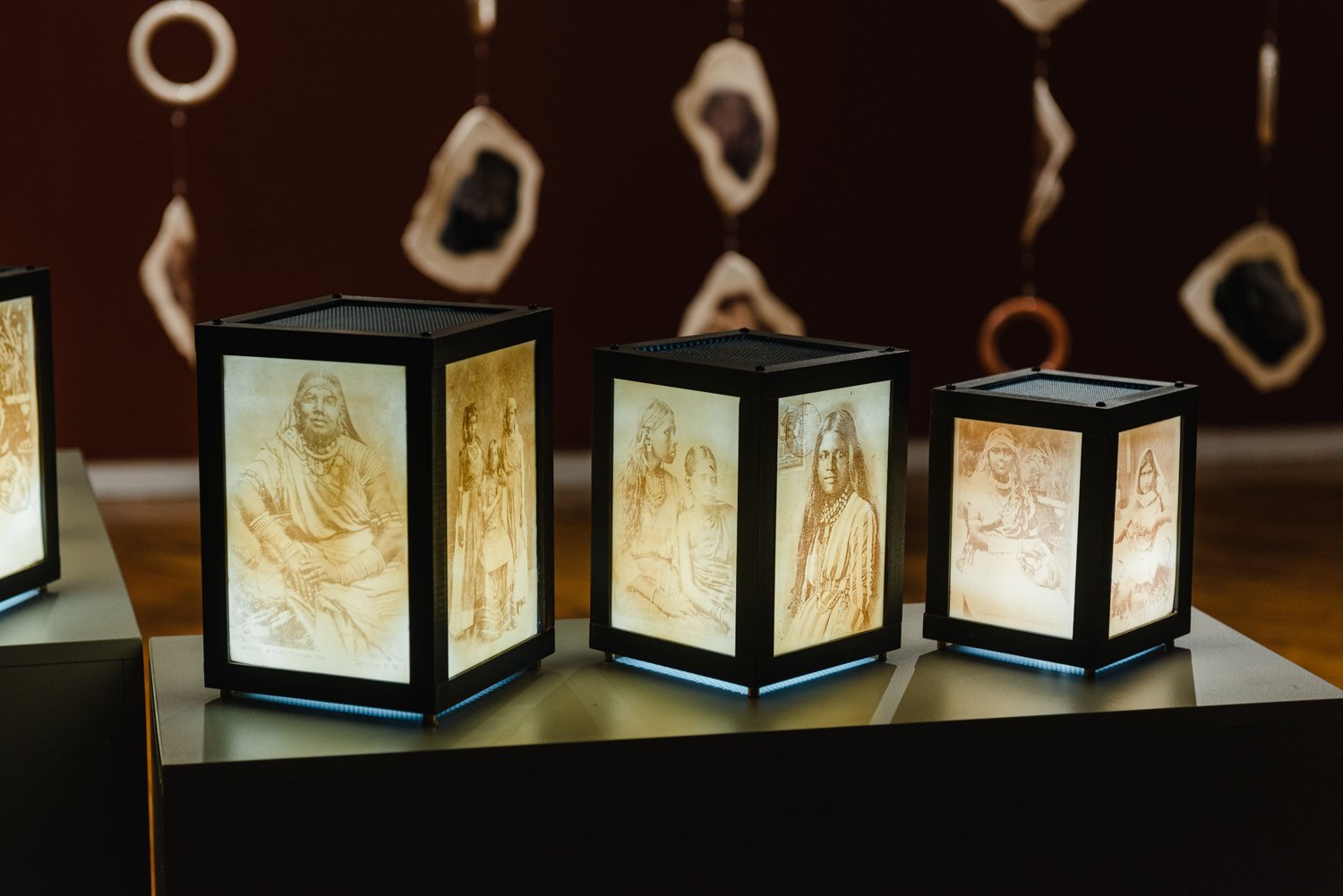
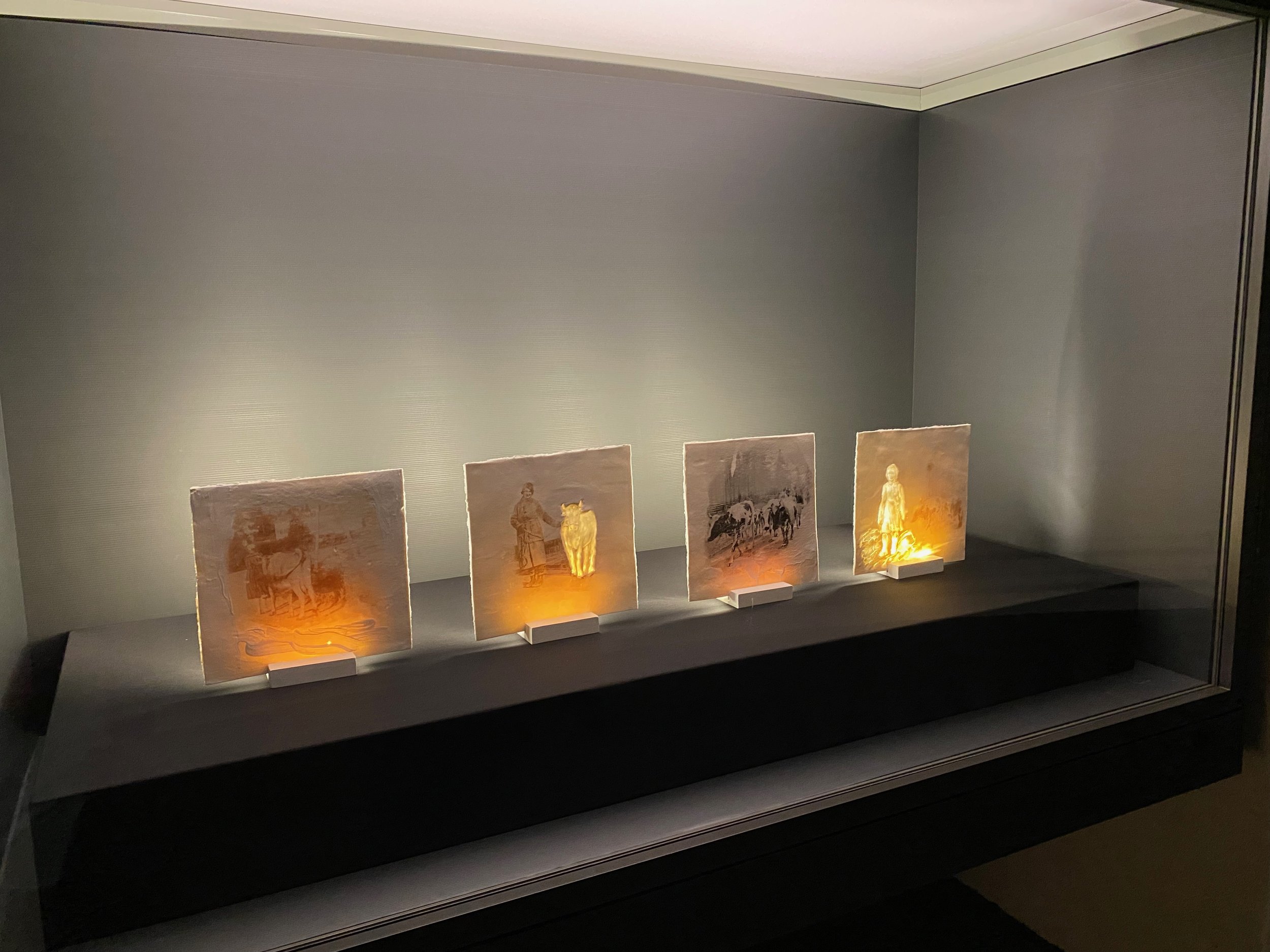
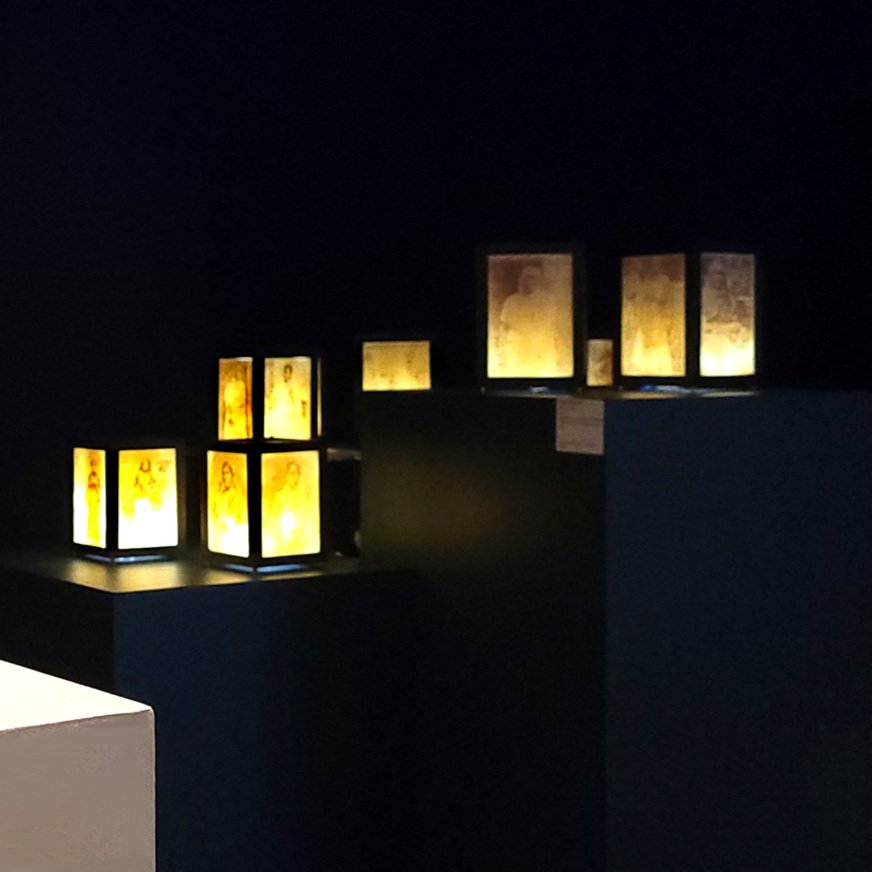
Illuminated, which features archival postcard images of “Coolie Belles” of the Caribbean, addresses the extreme hardships of Indo-indentureship and its harsh labour, while also speaking to the colonialist exoticism of Indo-Caribbean women on 20th century postcards - plantation labourers costumed and photographed in studios for the sake of Western tourism. McKenzie’s own great-great grandmother, Roonia, sailed from Calcutta to Guyana in 1864 and worked the sugar cane fields, a Hindu woman who married and raised four children on a plantation in Guyana near Suriname. She explains, “It was crucial for me to give voice through portraiture to us, we, the descendants of the “coolie women,” to reclaim our herstories.”
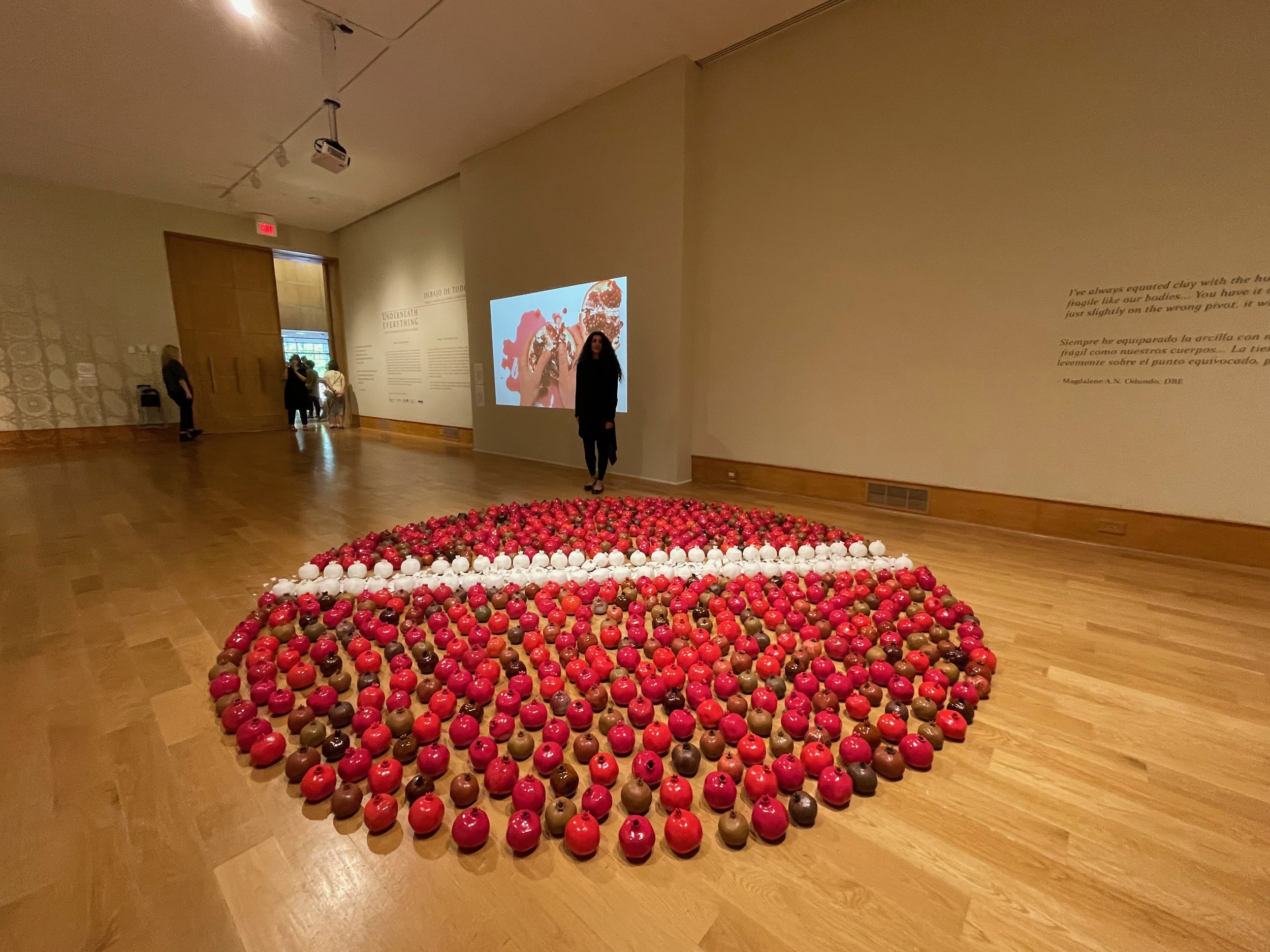
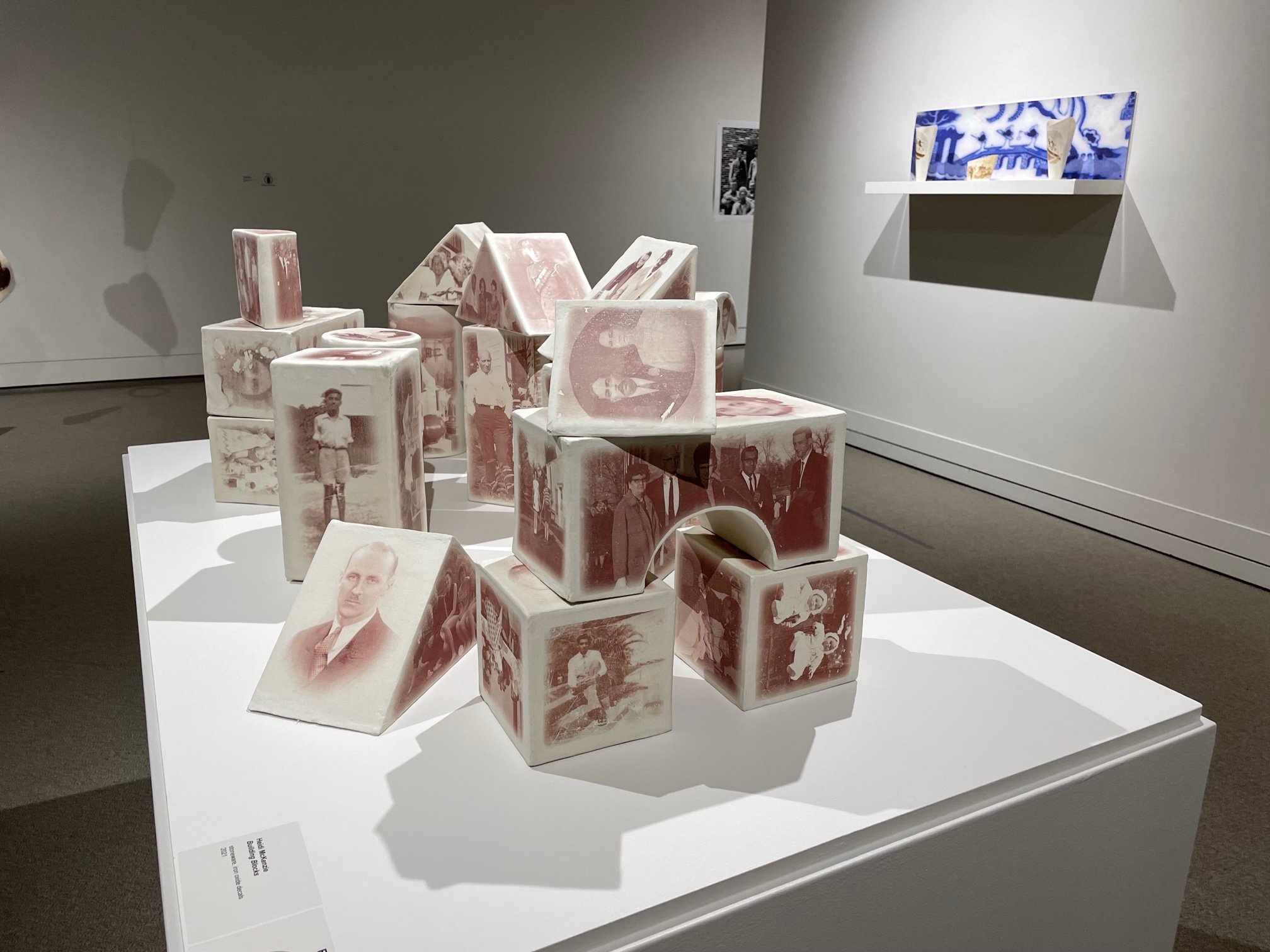
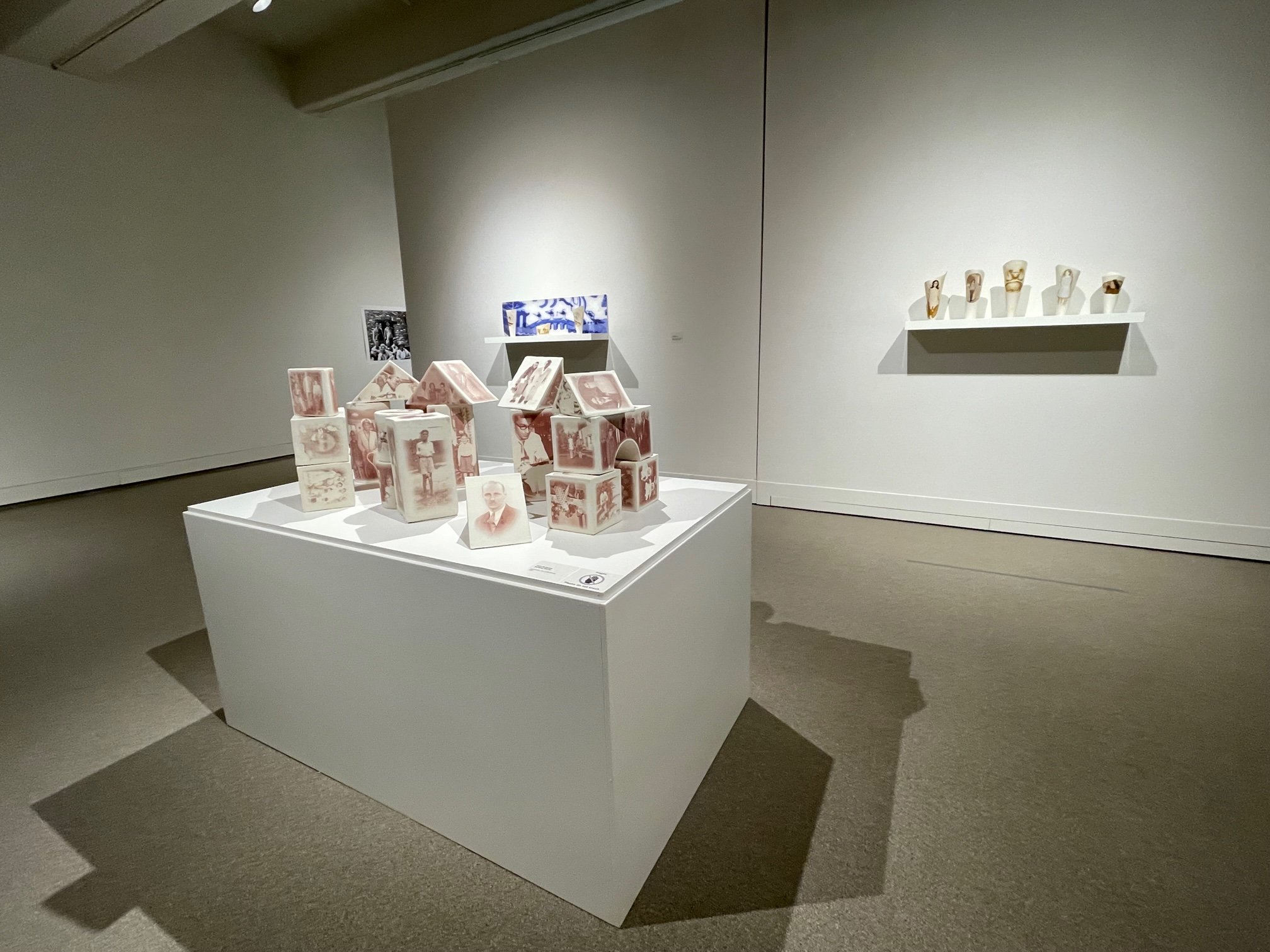
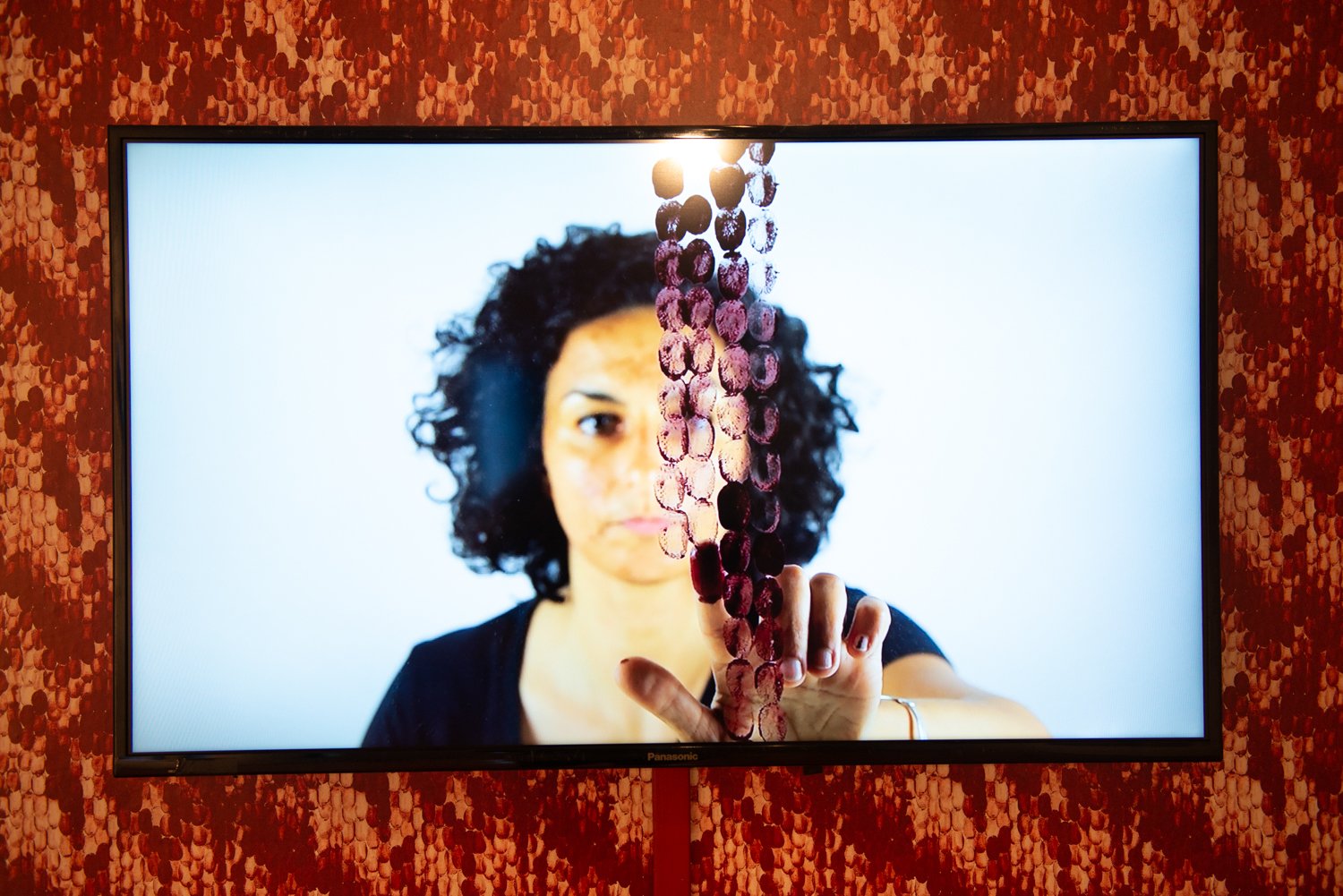
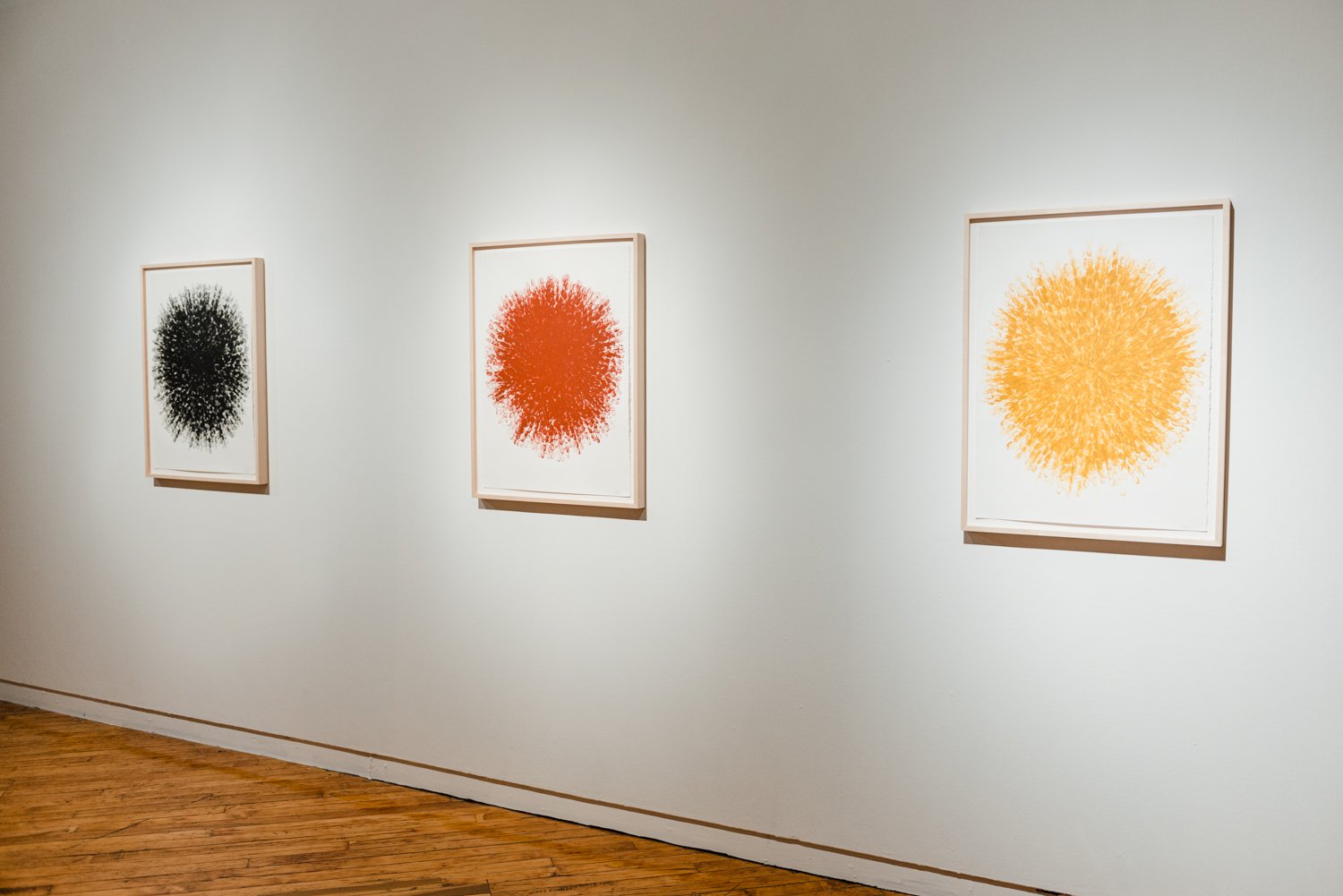
Works, such as House of Cards and Body Interrupted, document McKenzie’s father’s journey, growing up in Colonial Trinidad and his struggle to find his place as an immigrant of colour in Canada. Body Interrupted also speaks to her father’s perseverance, strength and determined will to survive that not only served him in establishing a life in Canada where he thrived, but aided him in his struggle with multiple terminal diagnoses later in life. The video projection/ installation, Lurking, offers an intimate portrayal of McKenzie’s close connection with her father, alluding to the building blocks of DNA and a genetically inherited condition passed through her father’s familial line that is statistically more prevalent in women from India.
Mah and McKenzie’s ceramic works address the personal, the familial, the cultural and the political, tracing the stories of their own immigrant families and the complexities of their negotiated identities as first-generation-born Canadians. Through the conceptual richness, elegant sincerity, and playful irony of their works, the artists reclaim and assert the narratives of their lineages and cultures through their own re-imaginings, and, in doing so, they expose little-known histories of racism and continuing legacies of colonialism.